What Every Tempe Home Buyer Should Know About Property Inspections
Discover what to look for during inspections and how to protect your investment in Tempe's residential market.

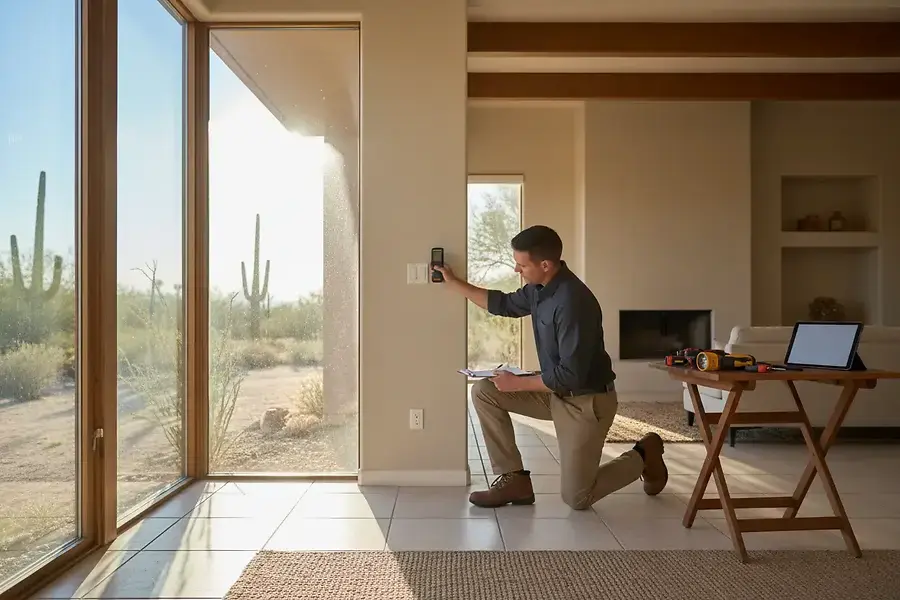
Why Home Inspections Matter in Tempe
Purchasing a home is one of the most significant financial decisions you'll make in your lifetime. In Tempe's competitive real estate market, a professional home inspection is your best defense against costly surprises after closing. A thorough inspection provides an objective assessment of a property's condition, helping you make informed decisions and potentially saving thousands of dollars in unexpected repairs.
Home inspections are particularly important in Arizona, where the desert climate and intense heat can accelerate wear and tear on properties. Understanding what inspectors look for and how to interpret their findings will empower you to negotiate effectively and protect your investment.
Key Areas Inspectors Examine in Arizona Homes
Structural Components and Foundation
Inspectors begin by evaluating the home's foundation and structural integrity. In Tempe, where soil conditions can vary significantly, foundation issues are a critical concern. They look for cracks, settling, and signs of water damage that could indicate serious structural problems.
Roofing and Exterior
Arizona's intense sun takes a toll on roofing materials. Inspectors examine:
- Shingle condition and remaining lifespan
- Flashing around chimneys and vents
- Gutters and drainage systems
- Exterior walls for cracks or damage
- Weatherproofing and sealants
HVAC Systems
Your air conditioning system is essential in Tempe's climate. Inspectors evaluate the age, maintenance history, and operational efficiency of your HVAC unit. A well-maintained system can last 15-20 years, while a neglected one may need replacement soon after purchase.
Plumbing and Water Systems
Inspectors check water pressure, drainage, and the condition of pipes throughout the home. They also examine water heaters, looking for signs of rust, leaks, or age-related deterioration. Hard water is common in Arizona, which can affect plumbing longevity.
Electrical Systems
A comprehensive electrical inspection includes checking the panel, outlets, switches, and wiring. Older homes may have outdated systems that don't meet current safety standards, which could require upgrades.
Interior Components
Inspectors also evaluate:
- Windows and doors for proper operation and sealing
- Insulation and ventilation
- Flooring and wall conditions
- Appliances included in the sale
- Attic and crawl space conditions
Common Issues Found in Tempe Properties and How to Address Them
Air Conditioning Problems
Many Tempe homes have aging AC units that struggle with the extreme heat. If your inspection reveals an older system, budget for replacement costs, which can range from $5,000 to $10,000 or more. Request the seller to service or replace the unit before closing.
Roof Damage and Deterioration
The Arizona sun can cause premature roof aging. If the inspection reveals significant damage, negotiate for roof repairs or a credit toward replacement. A new roof is a major expense that should be addressed before purchase.
Water Intrusion and Moisture Issues
Despite the dry climate, water intrusion can occur around windows, doors, and the foundation. Look for signs of mold, staining, or structural damage. These issues require immediate attention to prevent further damage.
Outdated Electrical Systems
Older homes may have insufficient electrical capacity or outdated wiring. If the inspection identifies safety concerns, request an electrician's estimate for upgrades and negotiate with the seller to cover these costs.
Plumbing Concerns
Hard water deposits, corroded pipes, or inadequate water pressure are common issues. Request water quality testing and plumbing inspections if problems are suspected. Budget for potential pipe replacement if the home has galvanized or corroded plumbing.
Pest and Termite Damage
Arizona's warm climate attracts pests. Request a separate termite inspection to identify any damage or active infestations. Treatment and repairs can be costly, so this is a critical negotiation point.
Using Inspection Results to Negotiate and Protect Your Purchase
Understanding Your Inspection Report
A professional inspection report will categorize findings by severity: critical issues requiring immediate attention, major concerns that should be addressed, and minor items for future consideration. Focus your negotiations on critical and major issues that affect safety, functionality, or long-term value.
Negotiation Strategies
Once you receive the inspection report, you have several options:
- Request repairs: Ask the seller to fix critical issues before closing
- Negotiate credits: Request a credit toward closing costs to handle repairs yourself
- Request price reduction: Negotiate a lower purchase price to account for needed repairs
- Walk away: If major issues are discovered, you may have grounds to terminate the contract
Be strategic in your negotiations. Prioritize issues that affect the home's safety, structural integrity, or major systems. Minor cosmetic issues are typically not worth negotiating.
Protecting Your Investment Long-Term
Don't view the inspection as just a negotiation tool. Use it as a roadmap for future maintenance. Ask the inspector for recommendations on preventive care and maintenance schedules. Understanding your home's condition helps you budget for upcoming repairs and avoid costly emergencies.
Consider obtaining a home warranty that covers major systems and appliances. This provides peace of mind during your first year of ownership and can protect against unexpected repair costs.
Keep detailed records of all inspections, repairs, and maintenance. This documentation increases your home's value and helps future buyers understand the care you've invested in the property.
Final Thoughts
A professional home inspection is an investment in your peace of mind and financial security. In Tempe's real estate market, thorough due diligence protects you from costly surprises and positions you to negotiate effectively. By understanding what inspectors examine and how to interpret their findings, you'll make confident decisions that protect your investment for years to come.


