What Every Timonium Home Buyer Needs to Know About Inspections
Learn what professional inspectors look for and how to avoid costly surprises when purchasing a home in Timonium.

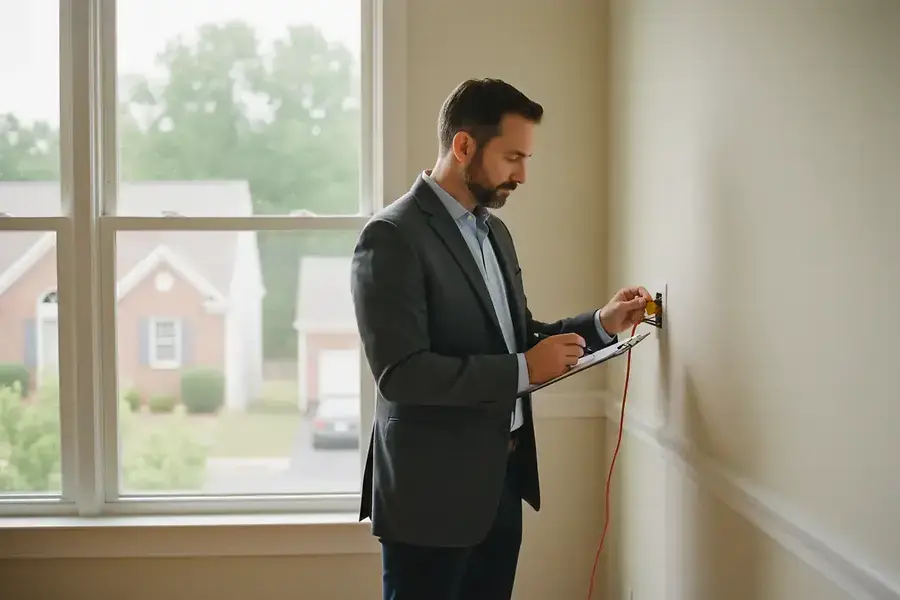
Understanding the Home Inspection Process in Timonium
A professional home inspection is one of the most critical steps in the home-buying process. In Timonium, where properties range from historic homes to modern developments, understanding what happens during an inspection can save you thousands of dollars and prevent future headaches.
During a typical home inspection, a certified inspector will spend 2-4 hours examining your potential new home from top to bottom. They'll evaluate the structural integrity, electrical systems, plumbing, HVAC systems, roofing, and more. The inspector will provide you with a detailed report documenting their findings, which becomes your roadmap for negotiation and future maintenance.
What Inspectors Examine
Professional inspectors follow a systematic approach when evaluating a property. Here's what they typically assess:
- Structural Components: Foundation, walls, floors, and overall frame integrity
- Roofing: Shingles, flashing, gutters, and drainage systems
- Electrical Systems: Panel, wiring, outlets, and safety features
- Plumbing: Pipes, fixtures, water pressure, and drainage
- HVAC Systems: Furnace, air conditioning, and ventilation
- Interior Features: Doors, windows, flooring, and walls
- Exterior Elements: Siding, decks, patios, and landscaping
Understanding this comprehensive approach helps you prepare questions and know what to expect from your inspection report.
Common Issues Found in Timonium Homes and How to Address Them
Timonium's diverse housing stock means inspectors frequently encounter specific issues common to the area. Being aware of these problems helps you make informed decisions.
Aging Roof Systems
Many Timonium homes feature roofs that are 15-20 years old or older. Inspectors will assess the condition of shingles, check for leaks, and evaluate remaining lifespan. If your inspection reveals roof issues, you can request the seller make repairs or provide credits toward replacement.
Outdated Electrical Systems
Older homes in Timonium may have outdated electrical panels or insufficient capacity for modern appliances. Inspectors will identify potential safety hazards and code violations. Upgrading electrical systems is a worthwhile investment that increases home value and safety.
Plumbing Concerns
Hard water deposits, corroded pipes, and outdated fixtures are common findings in Timonium inspections. While some issues are cosmetic, others like galvanized pipes may require replacement to ensure water quality and pressure.
HVAC Maintenance Issues
Furnaces and air conditioning units that haven't received regular maintenance often show signs of wear. Inspectors will note the age and condition of these systems, helping you budget for potential replacements or repairs.
Red Flags Every Timonium Buyer Should Watch For
While not every issue discovered during inspection is a deal-breaker, certain red flags warrant serious consideration and expert evaluation.
Foundation Problems
Cracks in the foundation, water intrusion, or signs of settling are serious concerns. These issues can be expensive to repair and may indicate structural problems that affect the home's long-term stability. Always request a structural engineer's evaluation if the inspector notes foundation concerns.
Water Damage and Mold
Evidence of water damage, staining, or mold growth suggests moisture problems that could affect your health and the home's structural integrity. These issues require professional remediation and should be addressed before purchase.
Outdated or Unsafe Systems
Knob-and-tube wiring, asbestos insulation, or non-functional safety systems are serious red flags. These hazards pose health and safety risks and may require costly professional removal or replacement.
Signs of Pest Infestation
Termite damage, rodent droppings, or other pest evidence can indicate ongoing infestations. Professional pest control evaluation may be necessary to determine the extent of damage and treatment costs.
Using Inspection Results to Negotiate Better Terms
Your inspection report is a powerful negotiation tool. Understanding how to leverage these findings can result in significant savings or seller concessions.
Request Repairs or Credits
After receiving the inspection report, you have several options. You can request that the seller make specific repairs before closing, ask for credits toward repairs you'll handle yourself, or negotiate a reduced purchase price to account for necessary work.
Prioritize Your Concerns
Not every inspection finding requires action. Focus on major systems and safety issues rather than cosmetic concerns. This approach strengthens your negotiating position by demonstrating you're being reasonable and realistic.
Get Professional Estimates
Before negotiating, obtain written estimates from licensed contractors for any significant repairs. These estimates provide concrete numbers for your negotiations and help the seller understand the true cost of addressing issues.
Know When to Walk Away
Sometimes inspection results reveal problems that are too extensive or expensive to justify the purchase. Understanding your budget limits and deal-breakers helps you make confident decisions about whether to proceed, renegotiate, or walk away.
Plan for Future Maintenance
Even if you negotiate repairs, use the inspection report to plan future maintenance. Understanding the age and condition of major systems helps you budget for replacements and preventive care, protecting your investment long-term.
A thorough home inspection is an investment in your peace of mind and financial security. By understanding what inspectors look for, recognizing common Timonium issues, and knowing how to use inspection results effectively, you'll be well-equipped to make confident decisions and avoid costly surprises in your home purchase.


