What First-Time Homebuyers Should Know About Greater Memphis
Navigate the home buying process with confidence in Germantown, Collierville, Memphis, and surrounding communities.

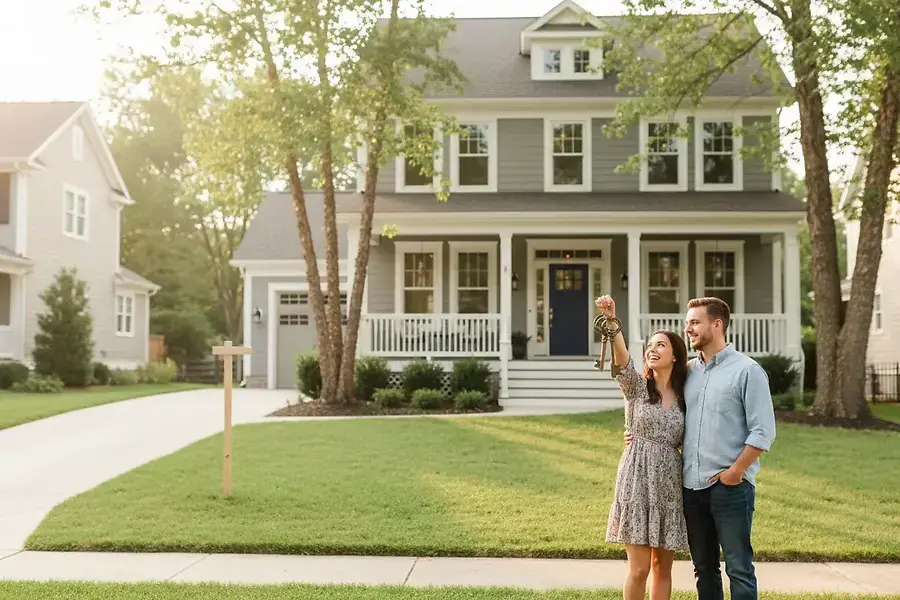
Introduction: The First-Time Buyer's Journey in Greater Memphis
Buying your first home is one of the most exciting and significant decisions you'll make in your lifetime. The Greater Memphis area, including vibrant communities like Germantown, Collierville, and Memphis proper, offers diverse neighborhoods with unique character and excellent opportunities for first-time homebuyers. Whether you're drawn to the suburban charm of Germantown, the family-friendly atmosphere of Collierville, or the urban energy of Memphis, understanding the home buying process is essential to making a confident decision.
This guide will walk you through the critical steps of purchasing your first home in Greater Memphis, from understanding the local market to closing on your new property. By the end, you'll have the knowledge and confidence to navigate this exciting journey.
Understanding the Local Real Estate Market and Community Options
Exploring Greater Memphis Communities
The Greater Memphis area offers something for everyone. Each community has distinct characteristics that appeal to different lifestyles and priorities:
- Germantown: Known for excellent schools, spacious homes, and a strong sense of community, Germantown attracts families seeking suburban living with convenient access to Memphis amenities.
- Collierville: This charming community features tree-lined streets, historic downtown areas, and a reputation for quality education and safe neighborhoods.
- Memphis: The heart of the region offers diverse neighborhoods, cultural attractions, vibrant entertainment districts, and a range of housing options at various price points.
- Surrounding Communities: Areas like Bartlett, Cordova, and Lakeland provide additional options with their own unique appeal and market dynamics.
Market Conditions and Pricing Trends
The Greater Memphis real estate market has shown resilience and steady growth. Before making an offer, research current market conditions in your target community. Work with a local real estate agent who understands neighborhood-specific trends, inventory levels, and pricing patterns. They can provide valuable insights into which areas are appreciating and where you'll find the best value for your investment.
Inventory and Timing Considerations
The availability of homes varies by season and community. Spring and early summer typically see increased inventory, while winter months may offer less competition from other buyers. Consider your timeline and be prepared to act quickly when you find the right property. In a competitive market, having your finances in order before house hunting gives you a significant advantage.
Financial Preparation: Pre-Approval, Down Payments, and Closing Costs
Getting Pre-Approved for a Mortgage
Before you start looking at homes, obtain a mortgage pre-approval from a lender. This process involves:
- Submitting financial documentation (pay stubs, tax returns, bank statements)
- A credit check to determine your creditworthiness
- Verification of employment and income
- Receiving a pre-approval letter stating the amount you can borrow
Pre-approval is crucial because it shows sellers you're a serious buyer and helps you understand your budget. It typically lasts 60-90 days, so plan accordingly.
Understanding Down Payments
Many first-time homebuyers believe they need 20% down to purchase a home. This isn't always true. Several options are available:
- Conventional Loans: Typically require 3-20% down, with lower percentages requiring private mortgage insurance (PMI)
- FHA Loans: Designed for first-time buyers, these require as little as 3.5% down
- VA Loans: Available to veterans with no down payment requirement
- USDA Loans: For rural properties, often require no down payment
Discuss these options with your lender to determine which program best suits your financial situation.
Calculating Closing Costs
Closing costs typically range from 2-5% of the home's purchase price and include:
- Loan origination fees
- Appraisal and inspection fees
- Title search and insurance
- Property taxes and homeowners insurance
- Attorney fees (if applicable)
- HOA transfer fees (if applicable)
Pro Tip: Ask your lender for a Loan Estimate form, which provides a detailed breakdown of all closing costs. This helps you budget accurately and compare offers from different lenders.
Building Your Emergency Fund
Beyond down payment and closing costs, maintain an emergency fund for unexpected home repairs. Most experts recommend having 3-6 months of mortgage payments saved after closing. This financial cushion provides peace of mind as you settle into homeownership.
Making Your Offer and Closing on Your New Home
Preparing Your Offer
Once you've found the right property, your real estate agent will help you prepare a competitive offer. Key elements include:
- Purchase Price: Based on comparable sales and market analysis
- Earnest Money Deposit: Typically 1-3% of purchase price, held in escrow
- Contingencies: Conditions that must be met (inspection, appraisal, financing)
- Closing Timeline: Usually 30-45 days from acceptance
- Special Requests: Items included in the sale or seller concessions
In the Greater Memphis market, being prepared with a strong offer—including proof of pre-approval—can make your bid more attractive to sellers.
The Inspection and Appraisal Process
After your offer is accepted, schedule a professional home inspection. The inspector will evaluate the property's condition, identifying any issues that need attention. This is your opportunity to negotiate repairs or credits with the seller.
Simultaneously, the lender will order an appraisal to ensure the home's value supports the loan amount. If the appraisal comes in lower than expected, you may need to renegotiate or increase your down payment.
Final Steps Before Closing
As closing approaches, complete these important tasks:
- Review your Closing Disclosure document (provided 3 days before closing)
- Conduct a final walk-through to ensure agreed-upon repairs are complete
- Arrange homeowners insurance and provide proof to your lender
- Verify all loan terms and conditions
- Prepare funds for down payment and closing costs (typically via wire transfer)
Closing Day
At closing, you'll sign all final documents with a title company or attorney. You'll receive the keys to your new home and officially become a homeowner. Congratulations! Take time to celebrate this milestone before diving into the exciting work of making your new house a home.
Your Greater Memphis Home Awaits
Purchasing your first home in Greater Memphis is an achievable goal with proper planning and preparation. By understanding the local market, preparing your finances, and following the home buying process step-by-step, you'll be well-equipped to make informed decisions and find the perfect property for your needs. Connect with local real estate professionals who know the Germantown, Collierville, and Memphis markets intimately, and don't hesitate to ask questions throughout the process. Your dream home in Greater Memphis is within reach.