What Fort Wayne Homebuyers Need to Know About Property Inspections
Learn what professional inspectors look for and how to protect your investment before closing on your new home.

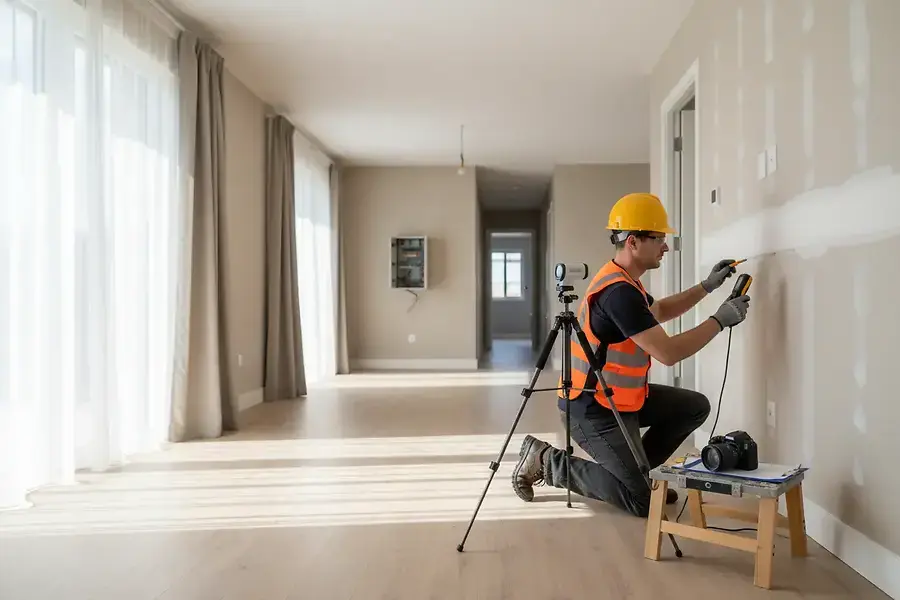
Understanding the Home Inspection Process
Purchasing a home is one of the most significant financial decisions you'll make, and a professional home inspection is your best defense against costly surprises. In Fort Wayne, a thorough home inspection typically takes two to three hours and involves a detailed examination of the property's structural components, systems, and overall condition.
During the inspection, a certified inspector will provide you with a comprehensive report documenting their findings. This report becomes a crucial tool in your negotiation process, allowing you to request repairs, credits, or price adjustments before closing. Understanding what happens during this process helps you prepare mentally and financially for your new investment.
What to Expect During Your Inspection
As a homebuyer, you have the right to be present during the inspection. Many experts recommend attending so you can ask questions directly and gain firsthand knowledge of your future home. The inspector will walk through the property systematically, examining both visible and accessible areas. They'll take photographs, make notes, and discuss their observations with you in real-time.
The inspection report will typically include:
- Structural integrity assessment
- Roof condition and remaining lifespan
- HVAC system functionality
- Plumbing and electrical systems
- Foundation and basement conditions
- Insulation and ventilation
- Appliances and fixtures
Critical Areas Inspectors Examine
Foundation and Structural Components
The foundation is literally the backbone of your home. Inspectors look for cracks, settling, water damage, and signs of structural movement. Even small cracks can indicate larger problems, so inspectors pay close attention to their size, location, and pattern. A compromised foundation can lead to expensive repairs, making this one of the most critical areas of inspection.
Roof and Attic
Your roof protects everything beneath it, so its condition directly impacts your home's longevity. Inspectors examine shingles for wear, check for leaks, assess flashing around chimneys and vents, and evaluate the overall structural integrity. They'll also inspect the attic for proper ventilation, insulation levels, and signs of water intrusion or pest damage.
HVAC Systems
Heating, ventilation, and air conditioning systems are essential for comfort and can be expensive to replace. Inspectors test these systems to ensure they're functioning properly and assess their age and condition. An aging HVAC system may need replacement soon, which is valuable information for budgeting purposes.
Plumbing and Electrical Systems
These systems are vital to daily living and safety. Inspectors check water pressure, test drains, look for leaks, and examine the condition of pipes. For electrical systems, they verify that the panel is properly sized, test outlets and switches, and ensure the system meets current safety standards. Outdated or faulty electrical work can pose serious safety risks.
Water Intrusion and Moisture Issues
Fort Wayne's climate can bring moisture challenges. Inspectors look for signs of water damage, mold, dampness, and poor drainage around the foundation. These issues can lead to serious health concerns and structural damage if left unaddressed.
Red Flags and How to Respond
Major Red Flags
Certain findings should prompt serious consideration before proceeding with your purchase:
- Foundation cracks or settling: These can indicate structural problems requiring expensive repairs
- Roof damage or age: A roof nearing the end of its lifespan may need replacement within a few years
- Outdated electrical systems: Knob-and-tube wiring or inadequate panels pose safety and insurance issues
- Plumbing problems: Galvanized pipes, polybutylene pipes, or active leaks can be costly to repair
- Mold or water damage: These issues can affect health and require professional remediation
- Pest infestations: Evidence of termites, rodents, or other pests requires professional treatment
How to Respond to Inspection Findings
Once you receive the inspection report, you have several options:
- Request repairs: Ask the seller to fix identified issues before closing
- Negotiate credits: Request a credit toward closing costs to handle repairs yourself
- Renegotiate price: Use significant findings to justify a lower purchase price
- Walk away: If major issues exist, you may decide the property isn't worth the risk
Remember: Your inspection contingency period is your opportunity to make an informed decision. Don't rush this process or ignore red flags to close quickly.
Getting a Second Opinion
For major issues, consider hiring a specialist. If the roof inspection reveals significant damage, a roofing contractor can provide a detailed assessment. Similarly, a licensed electrician or plumber can evaluate their respective systems. These specialist inspections cost extra but provide valuable peace of mind for substantial concerns.
Conclusion: Making Informed Decisions
A professional home inspection is an investment in your future. By understanding what inspectors examine and recognizing red flags, you're equipped to make informed decisions about your Fort Wayne property purchase. Don't view inspection findings as deal-breakers—instead, use them as negotiating tools and planning guides.
Work closely with your real estate agent and inspector to understand the implications of any findings. Ask questions, request clarifications, and don't hesitate to seek specialist opinions on major issues. Your home inspection report is a roadmap to your property's condition and future maintenance needs.
By taking the inspection process seriously and responding thoughtfully to findings, you're protecting your investment and setting yourself up for a successful homeownership experience in Fort Wayne.


