What Home Buyers Should Know About Virginia's Property Taxes
Understand how Virginia's property tax system impacts your home purchase and long-term ownership costs in Arlington, Maryland, and surrounding areas.

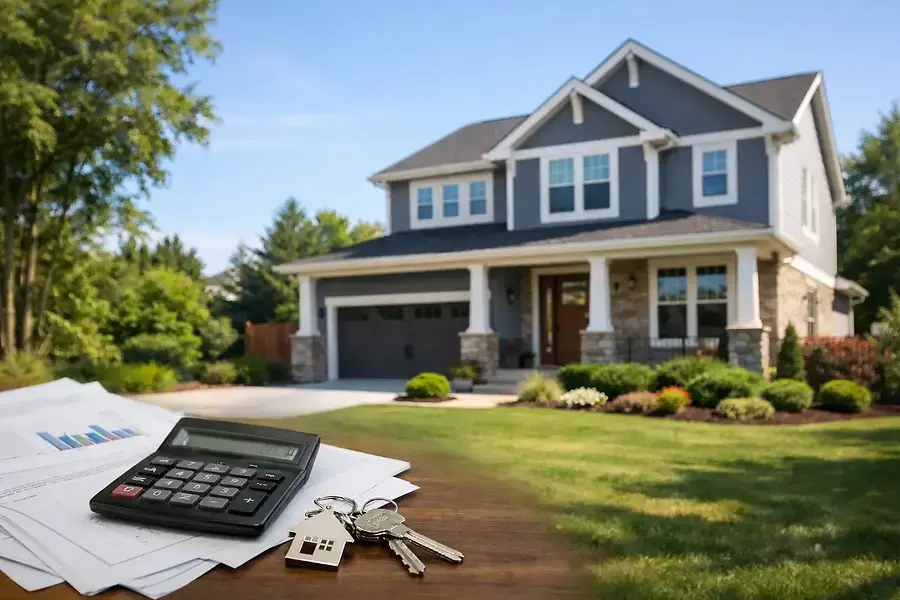
Why Property Taxes Matter to Homebuyers
When purchasing a home, most buyers focus on the mortgage payment, down payment, and interest rates. However, property taxes represent a significant ongoing cost that can dramatically impact your total homeownership expenses. In Virginia and surrounding areas like Arlington and Maryland, property taxes vary considerably by location and can add thousands of dollars to your annual housing costs.
Understanding how property taxes work before you buy is essential. These taxes fund critical community services including schools, roads, emergency services, and local infrastructure. For homebuyers in Northern Virginia and the Arlington area, property taxes can represent 10-15% of your total housing expenses, making them a crucial factor in your purchasing decision.
The Long-Term Financial Impact
Consider this: a $500,000 home in one Virginia community might have an annual property tax bill of $4,500, while the same home in another area could cost $6,500 or more. Over a 30-year mortgage, this difference amounts to $60,000 or more in additional taxes. This is why researching property tax rates before selecting your home location is so important.
How Virginia's Property Tax Assessment Process Works
Virginia's property tax system operates through a well-defined assessment and collection process that homebuyers should understand:
Property Assessment
Each locality in Virginia, including Arlington and surrounding Maryland communities, employs a local assessor who determines the fair market value of your property. Assessments typically occur every few years, though some jurisdictions reassess annually. The assessor considers factors such as:
- Property size and square footage
- Lot size and location
- Age and condition of the structure
- Recent comparable sales in the area
- Special features and improvements
- Zoning and land use designation
Tax Rate Application
Once the assessed value is determined, your local tax rate is applied. Virginia allows each locality to set its own tax rate, which is expressed in cents per $100 of assessed value. For example, Arlington might have a rate of $1.15 per $100 of assessed value, while a neighboring Maryland community might be $0.95 per $100.
The Appeal Process
If you believe your property assessment is inaccurate, Virginia law allows you to appeal. Most localities have a Board of Equalization that reviews assessment challenges. This process typically occurs annually, and homebuyers should consider appealing if they believe their assessment is too high compared to similar properties in their area.
Comparing Tax Rates Across Arlington, Maryland, and Northern Virginia Communities
Property tax rates vary significantly across the region, and understanding these differences is crucial for homebuyers:
Arlington County
Arlington County maintains one of the higher property tax rates in Northern Virginia. The county's rate is approximately $1.15 per $100 of assessed value, which translates to substantial annual bills for homeowners. However, Arlington residents benefit from excellent schools, robust public services, and strong property appreciation, which often justify the higher tax burden.
Northern Virginia Communities
Other Northern Virginia jurisdictions offer varying tax rates:
- Fairfax County: Approximately $0.85 per $100 of assessed value
- Loudoun County: Approximately $0.80 per $100 of assessed value
- Prince William County: Approximately $0.75 per $100 of assessed value
These differences mean that a $400,000 home could have annual property taxes ranging from $3,000 to $4,600 depending on the jurisdiction.
Maryland Considerations
If you're considering properties in Maryland near Arlington, be aware that Maryland's property tax system differs from Virginia's. Maryland typically has higher effective property tax rates, and the assessment process may vary by county. Homebuyers should research specific Maryland counties they're considering, as rates can range significantly.
Tax Relief Programs
Virginia and Maryland offer various tax relief programs for eligible homeowners:
- Homestead exemptions for primary residences
- Tax relief for seniors and disabled individuals
- Agricultural use assessments for rural properties
- Historic property tax credits
Check with your local assessor's office to determine if you qualify for any relief programs.
Making Informed Decisions About Your Residential Investment
As you evaluate homes in Arlington, Maryland, and Northern Virginia, incorporate property tax analysis into your decision-making process:
Calculate Your True Housing Costs
Don't just focus on the mortgage payment. Use this formula to understand your total annual housing costs:
Total Annual Housing Cost = Mortgage Payment + Property Taxes + Insurance + HOA Fees + Maintenance
This comprehensive view helps you understand the true affordability of a property in different locations.
Research Before You Buy
Before making an offer, research the property tax rate in that specific jurisdiction. Contact the local assessor's office and ask about:
- Current assessment practices and schedules
- Historical tax rate trends
- Planned rate changes or reassessments
- Available exemptions and relief programs
Factor in Future Appreciation
While higher property taxes are a concern, remember that properties in high-tax areas like Arlington often appreciate faster than those in lower-tax jurisdictions. The stronger schools, services, and amenities that justify higher taxes often drive property values upward. Consider both the short-term tax burden and long-term investment potential.
Work with Local Experts
Partner with a real estate agent familiar with the Arlington and Northern Virginia markets. They can provide insights into tax trends, help you compare properties across jurisdictions, and explain how taxes impact your specific situation.
Understanding Virginia's property tax system empowers you to make smarter decisions about where to buy and how much to spend. By researching rates, understanding the assessment process, and calculating true housing costs, you'll be better positioned to find a home that fits both your lifestyle and your budget.


