What Home Inspection Reports Reveal: A Buyer's Complete Guide
Discover what inspectors examine, how to interpret findings, and leverage reports to negotiate confidently.

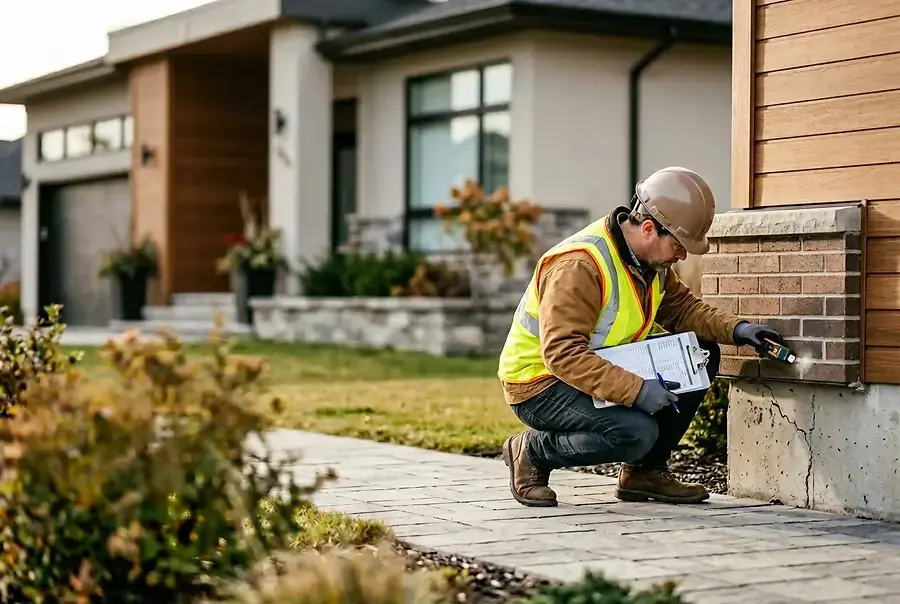
Why Home Inspections Are Essential for Buyers
Purchasing a home is one of the most significant financial decisions you'll make in your lifetime. Before committing to such a substantial investment, understanding the true condition of the property is crucial. A professional home inspection serves as your safeguard, providing an objective assessment of the property's structural integrity, systems, and overall condition.
Home inspections reveal hidden problems that aren't visible during casual walkthroughs. From foundation issues to electrical hazards, inspectors uncover potential costly repairs that could impact your decision or negotiating power. Without this critical information, buyers risk inheriting expensive problems that could drain their finances for years to come.
The inspection report becomes your roadmap, helping you understand what you're actually purchasing and what maintenance or repairs may be needed. It empowers you to make informed decisions rather than emotional ones, ensuring you're getting fair value for your investment.
Understanding Inspection Reports: Major Systems and Common Issues
Structural Components
Inspectors thoroughly examine the foundation, walls, roof, and overall structural integrity. They look for:
- Foundation cracks or settling issues
- Water damage or moisture intrusion
- Roof condition and remaining lifespan
- Structural damage from pests or weather
These elements form the backbone of your home. Any significant issues here can be expensive to repair and may affect the property's safety and value.
Electrical Systems
The electrical system is critical for both safety and functionality. Inspectors evaluate:
- Panel condition and capacity
- Wiring age and condition
- Outlet and switch functionality
- Grounding and safety measures
Outdated or faulty electrical systems pose serious fire and shock hazards, making this one of the most important areas to understand in your inspection report.
Plumbing and Water Systems
Water-related issues can lead to mold, structural damage, and costly repairs. Inspectors check:
- Pipe material and condition
- Water pressure and flow
- Drainage systems and septic functionality
- Water heater age and condition
- Signs of leaks or water damage
HVAC Systems
Heating, ventilation, and air conditioning systems are essential for comfort and air quality. Inspectors assess:
- Furnace or heat pump condition
- Air conditioning functionality
- Ductwork integrity
- Thermostat operation
Common Issues Found in Reports
While every home is unique, certain issues appear frequently in inspection reports:
- Roof problems: Missing shingles, leaks, or age-related deterioration
- Water damage: Basement moisture, roof leaks, or plumbing issues
- HVAC concerns: Aging systems nearing replacement
- Electrical issues: Outdated panels or inadequate grounding
- Pest damage: Termites, rodents, or other infestations
Interpreting Findings and Using Reports to Negotiate Repairs
Understanding Report Categories
Professional inspectors typically categorize findings by severity. Understanding these categories helps you prioritize concerns:
- Critical: Safety hazards or major structural issues requiring immediate attention
- Major: Significant repairs needed within the near future
- Minor: Small issues that don't require urgent action
- Informational: Observations about maintenance or upgrades
Leveraging Reports for Negotiations
A thorough inspection report is your negotiating tool. Here's how to use it effectively:
Armed with detailed inspection findings, you can request repairs, credits, or price reductions before closing. Sellers often prefer addressing issues themselves rather than losing a deal.
Request repair estimates: Obtain quotes from contractors for critical and major issues. Use these figures to request credits or repairs from the seller.
Prioritize strategically: Focus negotiations on critical safety issues and major repairs. Minor cosmetic issues are less likely to sway negotiations.
Know your limits: Understand local market conditions. In competitive markets, sellers may be less willing to negotiate, while buyer-friendly markets give you more leverage.
Get everything in writing: If the seller agrees to repairs, ensure specific details are documented in the purchase agreement, including timelines and quality standards.
When to Walk Away
Sometimes an inspection reveals problems too significant or costly to address. Consider walking away if:
- Critical structural issues exist
- Repair costs exceed your budget or the property's value
- Multiple major systems need replacement
- Environmental hazards are present
Remember, no deal is worth inheriting a financial nightmare. Your inspection report gives you the information needed to make this crucial decision confidently.
Making Informed Decisions with Inspection Data
A comprehensive home inspection report transforms you from a passive buyer into an informed decision-maker. Rather than relying on emotions or the seller's representations, you have objective, professional data about the property's condition.
Use your inspection report to:
- Understand true maintenance costs and timelines
- Plan future repairs and budgeting
- Negotiate confidently with sellers
- Make decisions based on facts, not feelings
- Protect your investment and financial future
The inspection process isn't about finding reasons to reject a property—it's about understanding what you're purchasing and ensuring fair value. Whether you negotiate repairs, request credits, or decide to move forward as-is, you'll do so with complete knowledge of the property's condition.
Your home inspection report is one of the most valuable documents in your real estate transaction. Treat it seriously, understand its findings, and use it to make the best decision for your family and finances. A small investment in a thorough inspection can save you thousands in unexpected repairs and provide peace of mind in your new home.