What Home Inspection Reports Reveal: A Buyer's Essential Guide
Discover what inspectors evaluate and how to use their findings to make informed decisions about your purchase.

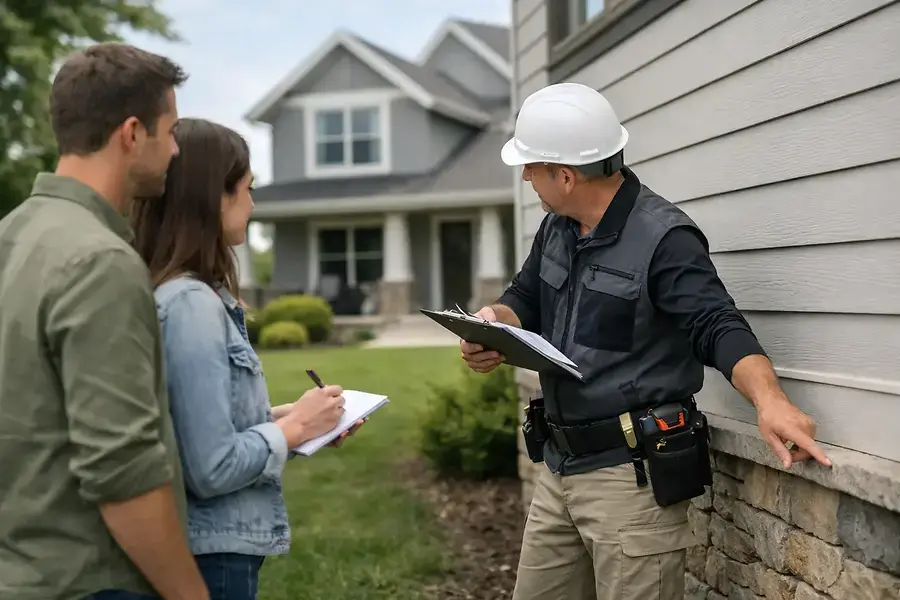
Why Home Inspections Are Critical for Buyers
Purchasing a home is one of the most significant financial decisions you'll make in your lifetime. Before committing to such a substantial investment, understanding the true condition of the property is essential. A professional home inspection serves as your safeguard, providing an objective assessment of the property's structural integrity, systems, and overall condition.
Home inspections reveal hidden problems that might not be visible during a casual walkthrough. From foundation issues to electrical hazards, inspectors uncover concerns that could cost thousands to repair. By investing in a thorough inspection, you gain the knowledge needed to negotiate better terms, request repairs, or walk away from a problematic property altogether.
The inspection report becomes your roadmap for understanding what you're actually buying, allowing you to make decisions based on facts rather than emotions or the seller's assurances.
Understanding Major Inspection Categories and What They Cover
Structural Components
Inspectors carefully examine the foundation, walls, roof, and framing of the home. They look for:
- Foundation cracks or settling issues
- Roof condition and remaining lifespan
- Wall integrity and water damage
- Attic ventilation and insulation
Structural problems are among the most expensive to fix, making this category critically important for your decision-making process.
Electrical Systems
A thorough electrical inspection ensures your home is safe and up to code. Inspectors evaluate:
- Panel capacity and condition
- Grounding and bonding systems
- Outlet and switch functionality
- Presence of outdated wiring like aluminum or knob-and-tube
Electrical issues pose serious safety risks, including fire hazards, making this inspection category non-negotiable.
Plumbing and Water Systems
Water-related problems can lead to mold, structural damage, and costly repairs. Inspectors check:
- Water pressure and flow rates
- Pipe material and condition
- Drainage systems and septic functionality
- Water heater age and condition
- Signs of leaks or water damage
HVAC Systems
Heating, ventilation, and air conditioning systems are essential for comfort and indoor air quality. Inspectors assess:
- Furnace or heat pump condition
- Air conditioning efficiency
- Ductwork integrity
- Thermostat functionality
Interior and Exterior Features
Beyond major systems, inspectors evaluate doors, windows, flooring, siding, and landscaping. They document cosmetic issues and structural concerns that affect the home's livability and value.
Identifying Red Flags and Negotiating Solutions
Common Red Flags in Inspection Reports
Certain findings should trigger immediate attention and further investigation:
- Mold or water intrusion: Indicates potential structural damage and health hazards
- Foundation cracks: May signal serious structural problems requiring engineering assessment
- Outdated electrical systems: Present fire risks and may require complete rewiring
- Roof damage or age: Replacement costs can exceed $10,000 or more
- Pest damage: Termites or other infestations can compromise structural integrity
- Asbestos or lead paint: Require professional remediation and pose health risks
Using Inspection Findings in Negotiations
Once you receive the inspection report, you have several options for moving forward:
Request repairs: Ask the seller to fix identified issues before closing. This is most effective for significant problems that affect safety or value.
Request credits: Negotiate a reduction in the purchase price to cover repair costs yourself. This gives you control over the quality of work performed.
Request inspections: For major concerns, ask the seller to provide specialized inspections (structural engineer, pest inspector, etc.) to clarify the extent of problems.
Walk away: If the inspection reveals extensive damage or issues that exceed your comfort level or budget, you may have grounds to terminate the purchase agreement.
"A detailed inspection report is your negotiating power. Use it strategically to protect your investment and ensure you're getting fair value for your money."
Working with Your Inspector
Don't simply accept the report passively. Attend the inspection if possible and ask questions about findings. Request clarification on severity levels and get recommendations for next steps. A good inspector will explain issues in terms you understand and help you prioritize concerns.
Leveraging Inspection Data to Protect Your Investment
Your home inspection report is far more than a checklist of problems—it's a valuable tool for protecting your investment. Use it to:
- Make an informed decision about whether to proceed with the purchase
- Understand the true cost of homeownership, including future repairs
- Budget for maintenance and upgrades in your first years of ownership
- Identify safety hazards that need immediate attention
- Negotiate fairly based on objective findings rather than emotions
Remember that no home is perfect. Older homes will have more wear and tear, while newer homes may have construction defects. The key is understanding what you're buying and making decisions based on complete information.
By taking the inspection report seriously and using its findings strategically, you transform a routine part of the home-buying process into a powerful tool for financial protection. Your future self—and your bank account—will thank you for the diligence you invest today.


