What Home Inspectors Discover in Oakham and Oak Bluffs Properties
Learn what professional inspectors look for and how to protect your investment in Massachusetts residential properties.

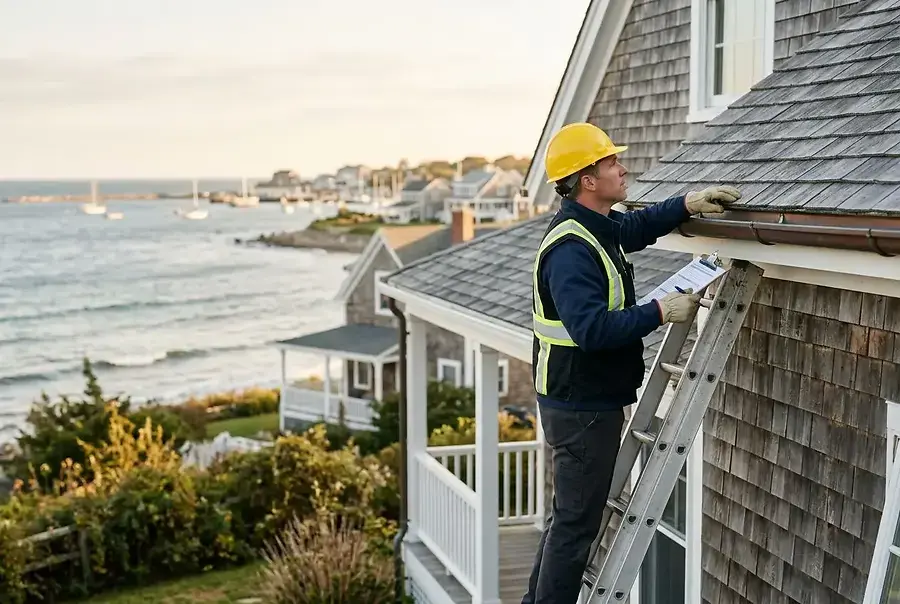
Understanding the Home Inspection Process
A professional home inspection is one of the most critical steps in purchasing residential property in Massachusetts. Whether you're buying in the charming town of Oakham or the picturesque coastal community of Oak Bluffs, understanding what inspectors look for can help you make informed decisions and avoid costly surprises down the road.
Home inspectors are trained professionals who conduct a thorough examination of a property's structural integrity, mechanical systems, and overall condition. During a typical inspection, which usually lasts 2-4 hours, inspectors evaluate everything from the foundation to the roof, checking electrical systems, plumbing, HVAC units, and more. They document their findings in a detailed report that becomes a crucial tool for negotiation and planning.
What Inspectors Examine
Professional inspectors follow a systematic approach when evaluating properties. They assess:
- Structural components: Foundation, walls, framing, and load-bearing elements
- Roofing systems: Shingles, flashing, gutters, and drainage
- Exterior elements: Siding, windows, doors, and weatherproofing
- Interior systems: Electrical wiring, plumbing, and HVAC equipment
- Safety features: Smoke detectors, carbon monoxide detectors, and handrails
The goal is to provide buyers with a comprehensive understanding of the property's condition and identify any issues that require attention or repair.
Common Issues Found in Massachusetts Coastal Properties
Properties in Oak Bluffs and similar coastal Massachusetts communities face unique challenges due to their proximity to salt water and exposure to harsh weather conditions. Understanding these common issues can help you anticipate potential problems.
Moisture and Water Damage
One of the most prevalent issues in coastal properties is moisture infiltration. Salt air and high humidity create an environment where water damage thrives. Inspectors frequently discover:
- Rot in wooden structural elements and trim
- Mold growth in attics, basements, and crawl spaces
- Deteriorating caulking around windows and doors
- Compromised weatherproofing and exterior sealing
Tip: Ask your inspector specifically about moisture barriers and ventilation systems, as these are critical in coastal areas.
Corrosion and Metal Degradation
Salt air accelerates corrosion of metal components. Inspectors often find rust on:
- Metal roof flashing and gutters
- HVAC equipment and ductwork
- Electrical components and fixtures
- Fasteners and hardware throughout the home
This corrosion can compromise both the aesthetic appeal and functionality of these systems, potentially leading to expensive replacements.
Foundation and Basement Issues
Oakham and Oak Bluffs properties often sit on challenging soil conditions. Inspectors frequently identify:
- Cracks in concrete foundations
- Water seepage and dampness in basements
- Poor drainage around the foundation perimeter
- Efflorescence (white mineral deposits) on basement walls
Roofing Concerns
The New England climate is tough on roofs. Common findings include missing or damaged shingles, inadequate ventilation, and deteriorated flashing. Coastal properties face accelerated aging due to salt spray and wind exposure.
Red Flags and How to Negotiate Repairs
Not all inspection findings require immediate action, but some warrant serious attention. Knowing which issues are deal-breakers versus cosmetic concerns is essential.
Major Red Flags
Certain issues should raise significant concerns:
- Structural damage: Cracks in the foundation, sagging floors, or compromised framing indicate serious problems
- Electrical hazards: Outdated wiring, improper grounding, or overloaded circuits pose safety risks
- Plumbing failures: Burst pipes, sewage backups, or failed septic systems require immediate attention
- Extensive mold: Large-scale mold growth suggests serious moisture problems
- HVAC system failure: Non-functional heating or cooling systems in Massachusetts can be costly to replace
Negotiation Strategies
Once you receive the inspection report, you have several options:
Request repairs: Ask the seller to fix major issues before closing. This is most effective for significant problems that affect safety or structural integrity.
Request credits: Negotiate a credit toward closing costs to address repairs yourself. This gives you control over the quality of work and contractor selection.
Price reduction: Request a reduction in the purchase price to account for necessary repairs. This is particularly useful when repair costs are substantial.
Walk away: If inspection findings reveal extensive problems that would be costly to address, you may decide the property isn't worth the investment.
Documentation and Communication
When negotiating based on inspection findings, maintain clear communication with your real estate agent and the seller's representative. Always get repair estimates in writing to support your negotiation position. Professional estimates from licensed contractors carry more weight than general assumptions about repair costs.
Moving Forward with Confidence
A thorough home inspection is an investment in your peace of mind and financial security. Whether you're purchasing a historic home in Oakham or a beachfront property in Oak Bluffs, understanding what inspectors discover helps you make confident decisions.
After the Inspection
Once negotiations are complete, consider these steps:
- Keep the inspection report for future reference and maintenance planning
- Schedule follow-up inspections for systems with known issues
- Develop a maintenance plan to address minor issues before they become major problems
- Budget for recommended repairs and upgrades
Long-Term Property Management
The inspection report serves as a valuable baseline for your property's condition. Use it to establish a maintenance schedule and prioritize improvements. Regular maintenance of identified problem areas can prevent costly repairs and preserve your home's value.
Remember: No home is perfect. The goal of a home inspection is to provide you with complete information so you can make an informed decision and plan for the future. By understanding what inspectors look for and how to respond to their findings, you're taking an important step toward protecting your investment in Massachusetts real estate.