What Home Inspectors Find in Florida Properties and How to Use It
Learn what inspectors look for and how to use findings to negotiate better deals in Gainesville, Orlando, Tampa, and Citrus County.

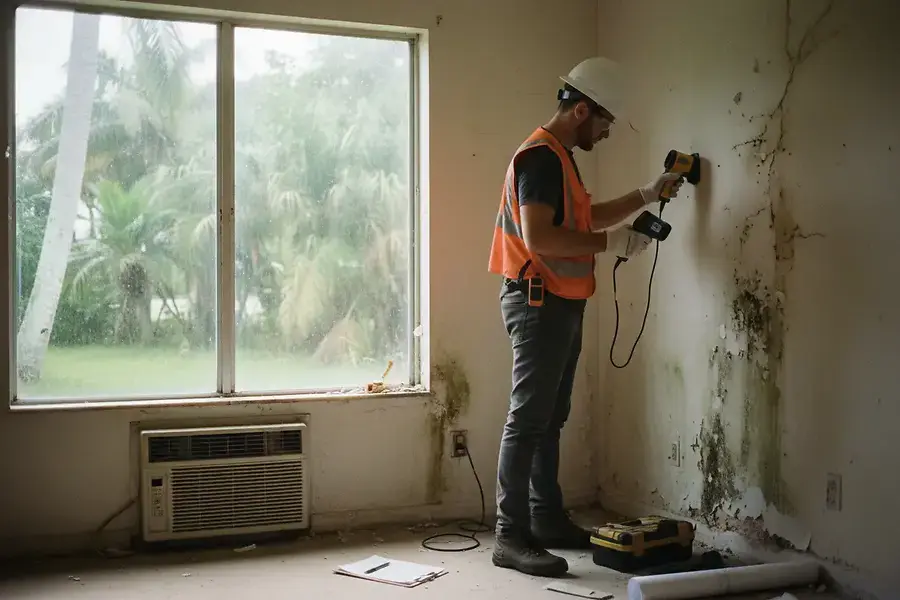
What Home Inspectors Examine and Why It Matters
When you're considering purchasing a home in Florida, a professional home inspection is one of the most critical steps in the buying process. Home inspectors conduct thorough evaluations of residential properties to identify potential issues that could affect your investment. Understanding what they examine helps you make informed decisions and protects your financial interests.
A comprehensive home inspection typically covers structural integrity, electrical systems, plumbing, HVAC systems, roofing, and foundation stability. Inspectors also evaluate the condition of walls, ceilings, floors, windows, doors, and insulation. In Florida specifically, inspectors pay special attention to moisture-related issues, pest damage, and hurricane-resistant features—all critical concerns in the state's climate.
Why Professional Inspections Matter
Florida's unique environmental challenges make professional inspections essential. The state's humidity, salt air, intense sun exposure, and hurricane season create conditions that accelerate wear and tear on properties. What might seem like a minor issue in another state could become a major problem in Florida's climate. A qualified inspector will identify these region-specific concerns before you commit to a purchase.
Common Issues Found in Florida Residential Properties
Florida home inspectors regularly encounter specific problems that are prevalent in the state's residential market. Being aware of these common issues helps you understand inspection reports and evaluate whether a property is worth your investment.
Water Damage and Moisture Problems
Water intrusion is the most common issue found in Florida properties. This includes:
- Roof leaks from damaged shingles or poor flashing
- Foundation cracks allowing water seepage
- Poor drainage around the property
- Damaged or missing caulking around windows and doors
- Mold growth in attics, crawl spaces, and bathrooms
These moisture problems can lead to structural damage, mold growth, and costly repairs if left unaddressed.
Roof and Hurricane-Related Concerns
Florida's roofing challenges are significant. Inspectors look for:
- Missing, cracked, or curled shingles
- Deteriorated flashing and seals
- Inadequate ventilation in attics
- Improper installation or age-related wear
- Lack of hurricane straps or reinforcement
Roof condition is particularly important because Florida's intense sun and frequent storms accelerate deterioration. Many insurance companies require roof inspections before providing coverage.
Electrical and Plumbing Systems
Older Florida properties often have outdated electrical systems. Common findings include:
- Aluminum wiring (a fire hazard)
- Insufficient electrical capacity for modern appliances
- Outdated or missing GFCI outlets in wet areas
- Corroded copper pipes from salt air exposure
- Polybutylene plumbing (prone to failure)
Pest and Termite Damage
Florida's warm climate creates ideal conditions for pests. Inspectors assess damage from:
- Termites and wood-boring insects
- Dry rot and wood decay
- Rodent damage
- Evidence of past or present infestations
HVAC and Air Conditioning Issues
Air conditioning systems work overtime in Florida. Inspectors evaluate:
- System age and remaining lifespan
- Proper refrigerant levels
- Ductwork condition and sealing
- Thermostat functionality
- Maintenance history
Using Inspection Results to Your Advantage in Negotiations
Once you have the inspection report, the real work begins. Strategic use of inspection findings can significantly impact your purchasing power and help you secure a better deal.
Request Repairs or Credits
After receiving the inspection report, you have several options:
- Request repairs: Ask the seller to fix identified issues before closing
- Negotiate credits: Request a credit toward closing costs to handle repairs yourself
- Price reduction: Ask for a lower purchase price to account for necessary repairs
- Seller concessions: Negotiate specific items like roof replacement or HVAC service
In competitive markets like Orlando and Tampa, sellers may be less willing to negotiate, but in Gainesville and Citrus County, you may have more leverage depending on market conditions.
Prioritize Major Issues
Not all inspection findings require negotiation. Focus on significant structural, safety, and system issues that will be expensive to repair. Minor cosmetic issues or routine maintenance items are typically the buyer's responsibility. Prioritize:
- Roof condition and remaining lifespan
- Foundation and structural integrity
- Major plumbing or electrical problems
- HVAC system replacement needs
- Mold or water damage
Get Contractor Estimates
Before negotiating, obtain written estimates from licensed contractors for major repairs. This gives you concrete numbers to present during negotiations and prevents disputes about repair costs. Sellers are more likely to take your requests seriously when backed by professional estimates.
Know Your Market
Market conditions in different Florida regions affect your negotiating power. In buyer's markets, you have more leverage to request repairs or credits. In seller's markets, you may need to be more selective about which issues you negotiate. Understanding local market dynamics in your specific area—whether it's Gainesville, Orlando, Tampa, or Citrus County—helps you develop an effective strategy.
Work with Your Real Estate Agent
Your real estate agent understands local market conditions and can advise on reasonable negotiation requests. They know what sellers typically accept and can help you present requests professionally and strategically.
Conclusion: Making Informed Decisions Before Closing
Home inspections are invaluable tools for Florida homebuyers. They reveal hidden issues, protect your investment, and provide leverage for negotiations. By understanding what inspectors look for, recognizing common Florida-specific problems, and strategically using inspection results, you can make informed decisions and secure better deals.
Whether you're buying in Gainesville, Orlando, Tampa, or Citrus County, don't skip the inspection or ignore the findings. A thorough inspection report is your roadmap to a successful purchase and a sound investment in Florida real estate.


