What Home Inspectors Look For: A Complete Buyer's Guide to Residential Properties
Discover the critical inspection points that protect your investment and reveal hidden issues before closing.

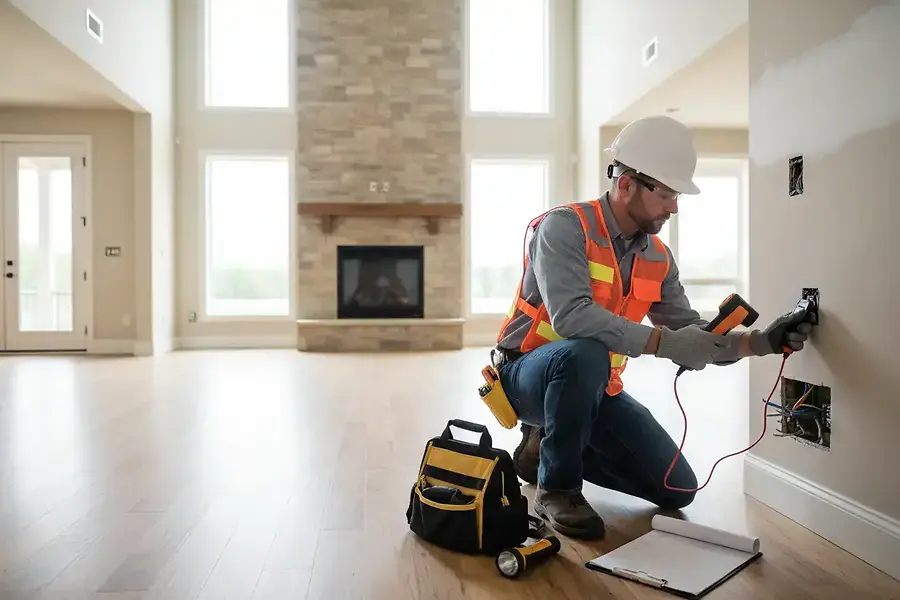
Why Professional Home Inspections Matter
Purchasing a home is one of the most significant financial decisions you'll make in your lifetime. A professional home inspection serves as your safeguard against costly surprises and hidden defects that could compromise your investment. Home inspectors are trained professionals who conduct thorough evaluations of residential properties, identifying structural issues, system failures, and safety concerns that may not be visible to the untrained eye.
During a typical inspection, which can last 2-4 hours, inspectors examine hundreds of components throughout the property. They document their findings in detailed reports that provide you with essential information for negotiation and decision-making. Understanding what inspectors look for empowers you to ask informed questions and make confident purchasing decisions.
Key Structural and Foundation Elements to Evaluate
Foundation Assessment
The foundation is the literal and figurative backbone of any home. Inspectors carefully examine the foundation for cracks, settling, and water damage. They look for signs of:
- Horizontal or vertical cracks that indicate structural stress
- Water intrusion and moisture problems in basements or crawl spaces
- Uneven settling that may affect the home's structural integrity
- Evidence of previous repairs or patching
A compromised foundation can lead to expensive repairs costing tens of thousands of dollars, making this assessment critical to your purchase decision.
Roof and Exterior Structure
Inspectors evaluate the roof's condition, including shingle integrity, flashing, and drainage systems. They assess:
- The age and remaining lifespan of roofing materials
- Signs of leaks, water damage, or deterioration
- Proper ventilation and insulation in attic spaces
- Gutters, downspouts, and grading for proper water drainage
The roof protects your entire home from the elements, making its condition essential for long-term property value and safety.
Walls, Windows, and Doors
Exterior walls are inspected for cracks, rot, and weather damage. Inspectors examine:
- Siding condition and potential water infiltration points
- Window and door frames for proper sealing and operation
- Caulking and weatherstripping effectiveness
- Signs of pest damage or wood rot
Systems Assessment: Electrical, Plumbing, and HVAC
Electrical Systems
A thorough electrical inspection is crucial for safety and functionality. Inspectors examine:
- The main electrical panel and circuit breaker condition
- Proper grounding and bonding throughout the home
- Outlet and switch functionality and safety compliance
- Presence of outdated wiring (such as aluminum wiring) that may pose fire hazards
- GFCI protection in wet areas like bathrooms and kitchens
Electrical issues can be serious safety hazards, potentially leading to fires or electrocution. Inspectors ensure your home meets current safety codes and standards.
Plumbing Systems
The plumbing system is tested for proper function and safety. Inspectors check:
- Water pressure and flow rates throughout the home
- Pipe materials and condition (identifying outdated or problematic materials)
- Drain functionality and signs of blockages or slow drainage
- Water heater age, condition, and proper venting
- Presence of leaks under sinks, around toilets, and in basements
- Septic system condition (if applicable)
Plumbing repairs can be expensive, so identifying issues early prevents water damage and costly emergency repairs.
HVAC Systems
Heating, ventilation, and air conditioning systems are evaluated for efficiency and safety. Inspectors assess:
- Furnace or heat pump age and operational condition
- Air conditioning unit functionality and refrigerant levels
- Ductwork integrity and proper insulation
- Thermostat operation and programming capability
- Proper ventilation and carbon monoxide safety
HVAC systems represent significant replacement costs, making their condition an important factor in your purchase decision and future comfort.
Additional Critical Inspection Areas
Interior Components
Inspectors examine interior elements including:
- Flooring condition and potential water damage
- Wall and ceiling integrity, including signs of water stains
- Staircase safety and railing compliance
- Fireplace and chimney condition
- Insulation levels in walls and attics
Safety and Environmental Concerns
Professional inspectors also screen for hazardous materials and safety issues such as:
- Asbestos in insulation, flooring, or roofing materials
- Lead-based paint (particularly in homes built before 1978)
- Mold growth and moisture problems
- Radon gas presence
- Proper handrails and guardrails throughout the home
Using Inspection Findings to Negotiate and Protect Your Purchase
Once you receive the inspection report, you have several options for moving forward. Minor issues like worn caulking or small cosmetic damage typically don't warrant renegotiation. However, significant problems such as foundation cracks, roof replacement needs, or major system failures provide legitimate grounds for negotiation.
You can request that the seller:
- Make repairs before closing
- Provide credits for you to handle repairs after purchase
- Reduce the purchase price to account for necessary repairs
Having a detailed inspection report gives you concrete evidence to support your negotiating position. It also helps you budget for future maintenance and repairs, preventing financial surprises after closing.
A professional home inspection is not an expense—it's an investment in your peace of mind and financial security. The cost of an inspection (typically $300-500) is minimal compared to the potential cost of undiscovered problems.
Before making one of the largest purchases of your life, ensure you have complete information about the property's condition. A thorough home inspection provides the knowledge you need to make confident decisions and protect your investment for years to come.