What Home Inspectors Look For: A Complete Guide for Buyers
Protect your investment by knowing what to look for during a professional home inspection.

Why Home Inspections Matter
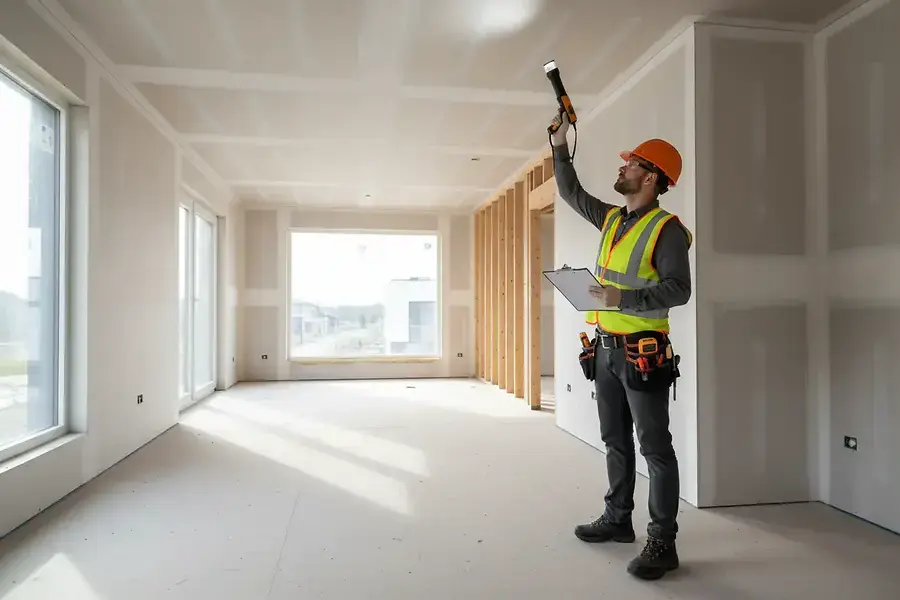
Purchasing a home is one of the most significant financial decisions you'll make in your lifetime. A professional home inspection serves as your safeguard, providing an objective assessment of the property's condition before you commit to the purchase. Home inspectors are trained professionals who examine the structural integrity, mechanical systems, and overall safety of a property, helping you understand exactly what you're buying.
Without a thorough inspection, you could inherit costly repairs or safety hazards that weren't immediately visible. An inspection report gives you the knowledge needed to negotiate repairs, request credits, or walk away from a problematic property altogether.
Understanding the Inspection Process and Timeline
What to Expect During an Inspection
A typical home inspection lasts between two to four hours, depending on the property's size and age. The inspector will systematically evaluate both the interior and exterior of the home, taking photographs and detailed notes throughout the process.
Most inspectors follow a standardized checklist that covers:
- Roof and attic condition
- Exterior walls and foundation
- Windows and doors
- Plumbing systems
- Electrical systems
- HVAC systems
- Interior walls and ceilings
- Appliances and fixtures
The Inspection Timeline
Most real estate contracts include a specific timeframe for inspections, typically 7 to 10 days after the offer is accepted. During this period, you'll schedule the inspection, attend it if possible, and receive the detailed report. This timeline allows you to request repairs or renegotiate terms before the inspection contingency expires.
Critical Areas Inspectors Evaluate Most Carefully
Structural Components
The foundation is the backbone of any home. Inspectors look for cracks, settling, water damage, and signs of structural movement. Foundation issues are among the most expensive repairs, so this area receives particular attention. The roof is equally critical—inspectors assess shingles, flashing, gutters, and overall structural integrity to estimate remaining lifespan.
Mechanical Systems
Your home's mechanical systems include heating, cooling, plumbing, and electrical components. Inspectors test HVAC systems for proper operation, check water heaters for age and condition, and evaluate electrical panels for safety compliance. A failing HVAC system can cost $5,000 to $15,000 to replace, making this assessment crucial.
Water Intrusion and Moisture
Water damage is a silent destroyer of homes. Inspectors look for:
- Leaks in the roof, walls, or basement
- Mold or mildew growth
- Improper grading around the foundation
- Damaged gutters and downspouts
- Signs of previous water damage
Moisture problems can lead to structural decay, mold growth, and expensive remediation costs.
Safety Hazards
Inspectors identify potential safety concerns such as outdated electrical wiring, missing handrails, improper ventilation, and hazardous materials like asbestos or lead paint. These issues may require professional remediation before you move in.
Red Flags and How to Interpret Inspection Reports
Understanding Report Categories
Most inspection reports categorize findings into levels of severity:
- Critical/Immediate: Safety hazards or major structural issues requiring urgent attention
- Major: Significant defects affecting home systems or requiring expensive repairs
- Minor: Small issues that don't affect functionality but should be addressed eventually
- Informational: Observations about maintenance or upgrades
Common Red Flags
Certain findings should raise your concern level:
- Foundation cracks wider than 1/4 inch or showing signs of movement
- Roof age exceeding 20 years or showing significant deterioration
- Outdated electrical panels or aluminum wiring
- Plumbing issues including galvanized pipes or evidence of leaks
- HVAC systems nearing end of life or showing poor maintenance
- Mold or water damage indicating moisture intrusion problems
Negotiating After the Inspection
Once you receive the inspection report, you have options. You can request repairs from the seller, ask for a credit toward closing costs, or renegotiate the purchase price. Some buyers use inspection findings to walk away from the deal entirely if issues are too severe. The key is understanding which issues are deal-breakers versus those that are manageable.
Making Informed Decisions with Inspection Results
An inspection report is a tool for empowerment, not fear. While it may reveal problems, it also confirms what's working well in the home. Use this information strategically to make decisions aligned with your budget, timeline, and risk tolerance.
Consider getting specialist inspections for major concerns—a structural engineer for foundation issues, a plumber for significant plumbing problems, or a mold specialist for moisture concerns. These targeted evaluations provide deeper insight into repair costs and urgency.
Remember: A thorough home inspection is an investment in your peace of mind and financial security. The small cost of an inspection can save you tens of thousands in unexpected repairs.
By understanding what home inspectors look for and how to interpret their findings, you're taking control of one of life's biggest purchases. Armed with this knowledge, you can negotiate confidently, plan for necessary repairs, and move forward with confidence in your new home.