What Home Inspectors Look For: A Complete Residential Buyer's Guide
Discover the critical areas professionals evaluate to help you make informed decisions about your next home purchase.

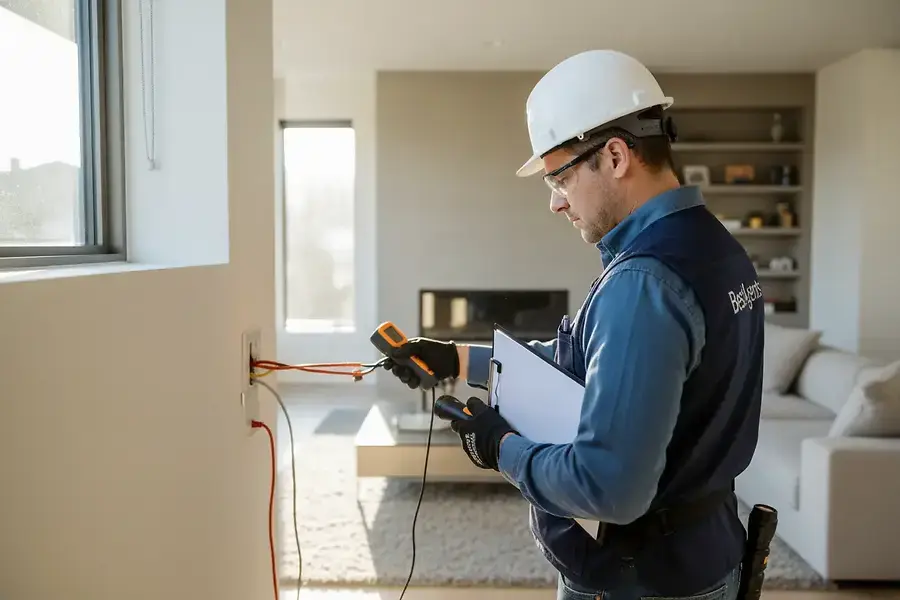
Understanding the Home Inspection Process and Why It Matters
A home inspection is one of the most important steps in the residential buying process. This thorough evaluation by a certified professional provides you with critical information about the property's condition before you commit to the purchase. Unlike an appraisal, which determines a home's market value, an inspection focuses on identifying potential problems and safety concerns that could affect your investment.
Home inspectors typically spend 2-3 hours examining a property, creating a detailed report that covers everything from the foundation to the roof. Understanding what they look for empowers you to ask informed questions, negotiate repairs or credits, and avoid costly surprises after closing.
Why Professional Inspections Are Essential
Many buyers skip inspections to save money, but this is a risky decision. A professional inspector can identify issues that untrained eyes miss, potentially saving you thousands in unexpected repairs. Their expertise helps you understand the true condition of the home and make decisions based on facts rather than assumptions.
Critical Structural and Systems Components to Evaluate
Foundation and Structural Integrity
The foundation is the backbone of any home. Inspectors examine it for cracks, settling, water damage, and signs of movement. They look for:
- Horizontal or vertical cracks in concrete or masonry
- Water intrusion or moisture damage
- Uneven floors or sloping surfaces
- Evidence of previous repairs or reinforcement
A compromised foundation can be extremely expensive to repair, making this one of the most critical areas of inspection.
Roof and Exterior Systems
The roof protects your entire home from the elements. Inspectors evaluate:
- Shingle condition, age, and remaining lifespan
- Flashing around chimneys, vents, and skylights
- Gutters and downspout functionality
- Siding, trim, and exterior wall conditions
- Windows and doors for proper sealing and operation
A roof replacement can cost $10,000 or more, so understanding its condition is crucial for budgeting.
Electrical Systems
Home inspectors test electrical systems to ensure safety and code compliance. They examine:
- The main electrical panel and circuit breakers
- Grounding and bonding systems
- Outlet and switch functionality
- Presence of outdated wiring (like aluminum or knob-and-tube)
- GFCI protection in wet areas
Outdated electrical systems pose serious fire and shock hazards and may require complete replacement.
Plumbing and Water Systems
Inspectors check for leaks, water pressure, and pipe condition. Key areas include:
- Water supply lines and shut-off valves
- Drain and sewer lines
- Hot water heater age and condition
- Visible corrosion or leaks
- Water quality and pressure
Plumbing issues can lead to water damage and mold growth if left unaddressed.
HVAC Systems
Heating, ventilation, and air conditioning systems are tested for proper operation. Inspectors evaluate:
- Furnace or heat pump age and functionality
- Air conditioning unit performance
- Ductwork condition and sealing
- Thermostat operation
- Maintenance history and filter condition
Red Flags and Common Issues Found During Inspections
Water Damage and Mold
Water intrusion is one of the most common and costly problems found during home inspections. Signs include staining on ceilings or walls, soft spots in flooring, and musty odors. Mold growth indicates prolonged moisture exposure and requires professional remediation.
Pest Infestations
Inspectors look for evidence of termites, carpenter ants, rodents, and other pests. Wood damage from termites can compromise structural integrity, making this a serious concern that requires immediate professional treatment.
Asbestos and Lead Paint
Homes built before the 1980s may contain asbestos in insulation, roofing, or floor tiles. Homes built before 1978 likely have lead-based paint. While their presence isn't always dangerous, disturbance during renovations can create health hazards. Specialized testing may be necessary if these materials are suspected.
Inadequate Ventilation and Insulation
Poor ventilation in attics and crawl spaces can lead to moisture problems and reduced energy efficiency. Insufficient insulation increases heating and cooling costs. These issues are often correctable but add to your long-term expenses.
Code Violations and Unpermitted Work
Inspectors identify additions or modifications that weren't done to code or lack proper permits. This can create safety issues and complicate future sales or insurance claims.
Using Inspection Reports to Negotiate and Make Informed Decisions
Understanding Your Inspection Report
A comprehensive inspection report categorizes findings by severity. Major issues require immediate attention, minor issues are less urgent, and observations are informational. Review the report carefully and ask your inspector to clarify anything you don't understand.
Negotiation Strategies
Armed with inspection findings, you have several options:
- Request repairs: Ask the seller to fix major issues before closing
- Request credits: Negotiate a price reduction to cover repair costs yourself
- Walk away: If issues are too extensive or expensive, you can terminate the purchase
- Accept as-is: If the price reflects the home's condition, you may proceed without changes
Focus negotiations on major structural or safety issues rather than minor cosmetic concerns. Sellers are more likely to agree to significant repairs than small fixes.
Planning for Future Maintenance
Even if you don't negotiate repairs, use the inspection report to plan your maintenance budget. Understanding the age and condition of major systems helps you anticipate replacement costs and prioritize improvements.
"A home inspection is an investment in peace of mind. The few hundred dollars spent on an inspection can save you tens of thousands in unexpected repairs."
Final Thoughts
Home inspections provide invaluable information that empowers you to make confident purchasing decisions. By understanding what inspectors look for and how to interpret their findings, you protect your investment and avoid costly surprises. Never skip this critical step in the home buying process—your future self will thank you.