What Home Inspectors Look For: A Guide for Hampton Roads Buyers
Learn the critical inspection points that protect your investment in Chesapeake, Norfolk, Suffolk, and Virginia Beach properties.

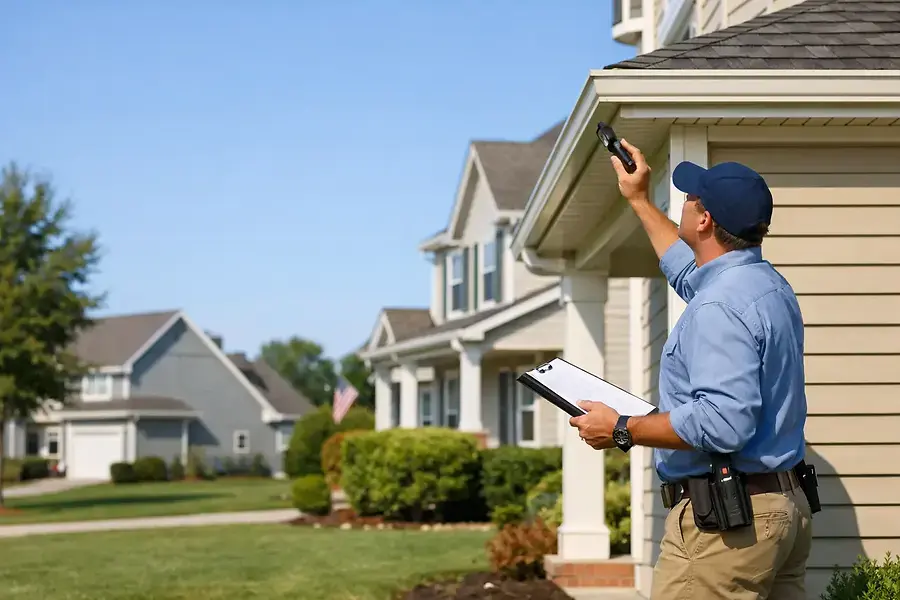
Understanding the Home Inspection Process in Hampton Roads
Purchasing a home is one of the most significant investments you'll make in your lifetime. In the Hampton Roads area—including Chesapeake, Norfolk, Suffolk, and Virginia Beach—a professional home inspection is a crucial step in the buying process. A thorough inspection provides you with detailed information about the property's condition, helping you make an informed decision and negotiate effectively.
A standard home inspection typically takes 2-4 hours and covers the entire property, from the foundation to the roof. Licensed inspectors in Virginia follow strict guidelines to ensure comprehensive evaluations. The inspector will examine both visible and accessible areas, documenting their findings in a detailed report that becomes your roadmap for understanding the property's true condition.
Understanding what inspectors look for empowers you as a buyer. Rather than being surprised by issues after closing, you'll have the knowledge to address concerns upfront and protect your investment.
Critical Areas to Evaluate: Structural Integrity and Systems
Foundation and Structural Components
The foundation is the backbone of any home. Inspectors carefully examine foundations for cracks, settling, water damage, and signs of movement. In Hampton Roads, where moisture and humidity are prevalent, foundation issues are particularly important to assess. Look for horizontal cracks (which are more serious) versus minor vertical cracks, which are often normal.
Structural elements like beams, joists, and load-bearing walls are also evaluated for damage, rot, or inadequate support. These issues can be costly to repair and may affect the home's safety.
Roofing and Exterior
Your roof protects everything beneath it, making its condition critical. Inspectors assess:
- Shingle condition and remaining lifespan
- Flashing around chimneys, vents, and skylights
- Signs of leaks or water damage in the attic
- Proper drainage and gutter functionality
The exterior also receives attention, including siding condition, windows, doors, and any visible water intrusion points. Given Hampton Roads' coastal climate, inspectors pay special attention to weather-related wear and potential moisture problems.
Plumbing Systems
Inspectors test water pressure, check for leaks, and examine pipes for corrosion or damage. They'll verify that water heaters are functioning properly and assess their remaining lifespan. In older Hampton Roads homes, galvanized pipes may need replacement, which is an important consideration for your budget.
Electrical Systems
A safe electrical system is non-negotiable. Inspectors verify that the panel is properly grounded, check for outdated wiring, and ensure outlets and switches function correctly. They'll identify any code violations or safety hazards that need addressing.
HVAC and Climate Control
Heating and cooling systems are tested for proper operation. Inspectors assess the age of the system, its efficiency, and whether it adequately serves the home. In Hampton Roads' humid climate, proper air conditioning and ventilation are essential for comfort and preventing mold growth.
Insulation and Ventilation
Proper insulation and ventilation prevent moisture problems and maintain energy efficiency. Inspectors check attic insulation levels, verify adequate ventilation, and look for signs of moisture or mold—common issues in the Hampton Roads region.
Red Flags and How to Negotiate After Inspection Results
Common Red Flags in Hampton Roads Properties
Certain findings warrant serious consideration:
- Water damage or mold: Particularly concerning in our humid climate
- Foundation cracks or settling: Can indicate serious structural issues
- Outdated electrical systems: May require costly upgrades for safety
- Roof near end of life: Replacement can cost $8,000-$15,000+
- HVAC system failures: New systems represent significant expense
- Plumbing issues: Especially galvanized pipes or sewer line problems
Negotiation Strategies
After receiving the inspection report, you have several options. Don't panic—not every finding requires immediate action. Work with your real estate agent to prioritize issues by severity and cost.
You can request that the seller make repairs, offer a credit toward closing costs, or reduce the purchase price to account for necessary work. Some buyers prefer handling repairs themselves post-closing, while others want assurance that critical issues are addressed beforehand.
Pro Tip: Get multiple quotes for major repairs before negotiating. This gives you concrete numbers to discuss with the seller and strengthens your negotiating position.
Moving Forward: Using Inspection Reports to Make Confident Purchase Decisions
Interpreting Your Inspection Report
A comprehensive inspection report is your detailed guide to the property's condition. It typically categorizes findings by severity: safety issues, major concerns, and minor maintenance items. Take time to review it thoroughly and ask your inspector questions about anything unclear.
Planning for Future Maintenance
Even in homes without major issues, the inspection report provides valuable information about maintenance schedules. Understanding when your roof, HVAC system, or water heater will likely need replacement helps you budget for future expenses and plan accordingly.
Making Your Final Decision
Armed with inspection results, you're in a strong position to make an informed decision. Consider the overall condition of the property, the cost of necessary repairs, and whether the home still represents good value at the negotiated price. Remember that no home is perfect—the goal is understanding what you're buying and making a decision you're comfortable with.
For Hampton Roads buyers in Chesapeake, Norfolk, Suffolk, and Virginia Beach, a thorough home inspection is your best defense against costly surprises. By understanding what inspectors look for and how to use their findings, you'll navigate the buying process with confidence and protect your investment for years to come.


