What Home Inspectors Look For: A Scottsdale Buyer's Guide
Learn the critical inspection points that protect your investment in Arizona's desert real estate market.

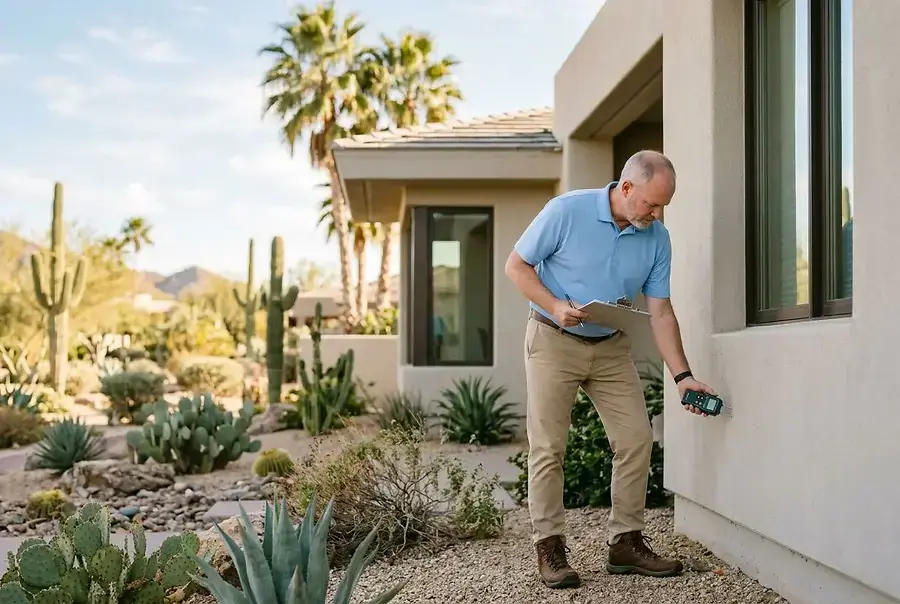
Understanding the Home Inspection Process in Scottsdale
Purchasing a home in Scottsdale is one of the most significant investments you'll make. A professional home inspection is your opportunity to uncover potential issues before signing on the dotted line. In Arizona's desert climate, inspections take on special importance due to the unique environmental challenges that homes face.
A typical home inspection in Scottsdale lasts between two to four hours and involves a thorough examination of the property's structural integrity, mechanical systems, and overall condition. Licensed inspectors follow established standards to evaluate everything from the foundation to the roof, providing you with a comprehensive report that details any defects or areas of concern.
Why Inspections Matter in the Desert
The Scottsdale area presents unique challenges that differ from other regions. Extreme heat, low humidity, and intense sun exposure can accelerate wear and tear on homes. Additionally, the desert landscape requires specialized knowledge about water management, pest control, and material durability. A qualified Scottsdale inspector understands these regional factors and knows exactly what to look for.
Key Areas Inspectors Focus On in Arizona Desert Homes
Roof and Exterior Surfaces
Arizona's relentless sun is particularly harsh on roofing materials. Inspectors examine shingles, tiles, or metal roofing for signs of deterioration, including curling, cracking, or missing pieces. They also check for proper ventilation and assess the condition of gutters and downspouts, which are critical for managing the occasional heavy monsoon rains.
- Inspect for UV damage and material degradation
- Check flashing around chimneys and vents
- Evaluate gutter functionality and drainage
- Assess the condition of exterior walls and paint
HVAC Systems and Air Conditioning
In Scottsdale, air conditioning isn't a luxury—it's essential. Inspectors pay close attention to your cooling system's age, maintenance history, and operational efficiency. They test the unit's ability to cool the home and check for refrigerant leaks or compressor issues. Given the intense use these systems endure, understanding their condition is crucial for budgeting future repairs.
Plumbing and Water Systems
Desert homes often deal with hard water and mineral buildup. Inspectors check for corroded pipes, leaks, and water pressure issues. They examine both the main water line and individual fixtures, looking for signs of damage or deterioration. Water heaters receive special attention, as they work overtime in Arizona homes.
- Test water pressure and flow rates
- Inspect for leaks and corrosion
- Evaluate water heater age and condition
- Check for proper drainage around the property
Foundation and Structural Integrity
Arizona's soil composition and temperature fluctuations can impact foundations. Inspectors look for cracks, settling, or other signs of structural movement. They examine the foundation's overall stability and check for any water intrusion issues that could compromise the home's structural integrity.
Pest and Termite Concerns
The desert climate attracts various pests, including termites and scorpions. While a standard home inspection may not include a full pest inspection, inspectors note any visible signs of infestation or pest damage. Many buyers choose to hire a separate pest inspector for a more detailed evaluation.
Electrical Systems
Inspectors evaluate the electrical panel, wiring, outlets, and switches. They ensure the system meets current safety codes and can handle the home's power demands, particularly important given Arizona's heavy air conditioning usage. They also check for outdated components that may need upgrading.
How to Use Inspection Results to Negotiate Better Offers
Understanding Your Inspection Report
Once you receive the inspection report, take time to understand it thoroughly. Reports typically categorize issues by severity: critical items that need immediate attention, major concerns that should be addressed soon, and minor issues that are less urgent. Your inspector should be available to answer questions and clarify findings.
Negotiation Strategies
Request repairs or credits: For significant issues, you can ask the seller to make repairs before closing or provide a credit toward the purchase price. Focus on major structural, mechanical, or safety concerns rather than cosmetic issues.
Get contractor estimates: Obtain quotes from licensed contractors for major repairs. These estimates strengthen your negotiating position by providing concrete numbers for the cost of addressing problems.
Prioritize strategically: Not every issue requires negotiation. Focus on items that affect safety, functionality, or long-term value. Minor cosmetic issues are typically the buyer's responsibility after purchase.
When to Walk Away
Sometimes, inspection results reveal problems so significant that walking away is the wisest choice. Major structural damage, extensive termite damage, or severe foundation issues can be costly to repair and may indicate deeper problems. Trust your inspector's expertise and your own instincts.
Conclusion: Making Informed Decisions Before Closing
A professional home inspection is your safeguard in the Scottsdale real estate market. By understanding what inspectors look for and how to interpret their findings, you empower yourself to make informed decisions about your investment. The inspection process isn't meant to be adversarial—it's a tool for transparency and protection.
Whether you're a first-time buyer or an experienced investor, never skip the inspection step. The relatively small cost of an inspection can save you thousands in unexpected repairs and provide peace of mind as you move forward with your purchase. In Arizona's unique desert environment, this due diligence is more important than ever.
Pro Tip: Attend the inspection in person if possible. Walking through with your inspector allows you to ask questions, understand the home's systems, and get a firsthand look at any concerns before they're detailed in the report.