What Home Inspectors Look For in Atlanta, Decatur, and Tucker
Learn the critical inspection checklist that protects your investment in Tucker, Decatur, and Atlanta properties.

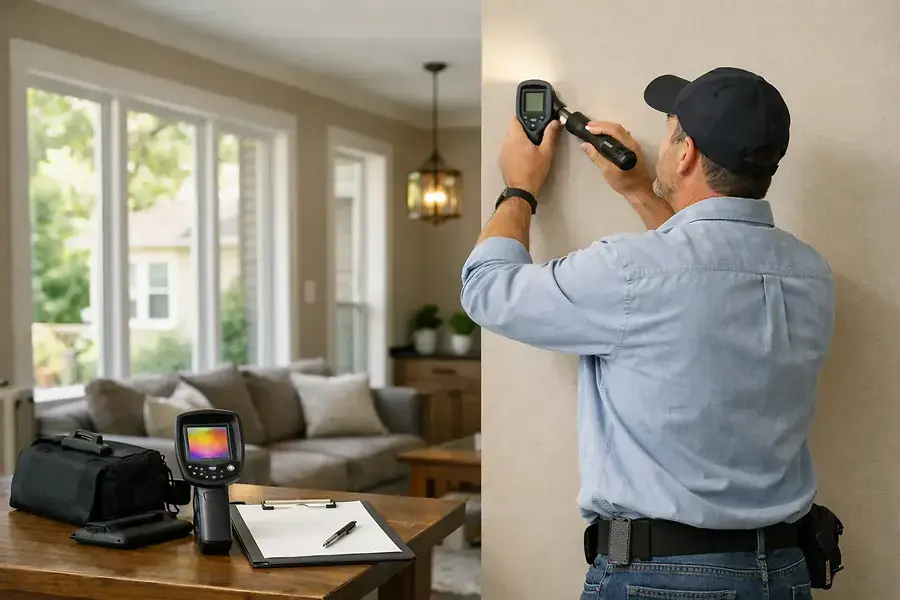
Understanding the Home Inspection Process and Why It Matters
A home inspection is one of the most important steps in the home buying process, especially in the Atlanta metropolitan area where properties vary widely in age and condition. Whether you're purchasing a historic home in Decatur, a modern residence in Tucker, or a property in Atlanta proper, a thorough inspection provides a detailed assessment of the property's physical condition and helps you make an informed decision.
Home inspectors are trained professionals who examine the structural integrity, mechanical systems, and overall safety of a property. In Georgia, inspectors typically spend 2-4 hours evaluating a home, documenting their findings in a comprehensive report. This inspection protects your investment by identifying potential issues before you commit to the purchase, giving you leverage to negotiate repairs or price adjustments.
Why Georgia Properties Require Special Attention
Georgia's humid subtropical climate presents unique challenges for homeowners. The combination of moisture, heat, and seasonal weather variations can accelerate wear on roofing materials, create foundation issues, and promote mold growth. Understanding these regional factors helps you appreciate why certain inspection findings are particularly important in Tucker, Decatur, and Atlanta.
Key Areas Inspectors Evaluate in Georgia Residential Properties
Roof and Exterior
The roof is your home's first line of defense against Georgia's weather. Inspectors examine:
- Shingle condition and signs of deterioration
- Flashing around chimneys, vents, and skylights
- Gutters and downspout functionality
- Siding, brick, or stucco for cracks and damage
- Foundation settling or cracks
Given Atlanta's occasional severe weather, a compromised roof can lead to expensive water damage. Inspectors pay special attention to proper drainage and ventilation systems.
Plumbing Systems
Water-related issues are among the most costly repairs homeowners face. Inspectors evaluate:
- Water pressure and flow rates
- Pipe material and condition (galvanized, copper, PVC)
- Signs of leaks or water damage
- Water heater age and functionality
- Septic systems or municipal connections
In older Decatur homes, galvanized pipes may be nearing the end of their lifespan, which inspectors will note for future planning.
Electrical Systems
Electrical safety is paramount. Inspectors check:
- Panel condition and capacity
- Grounding and bonding
- Outlet and switch functionality
- GFCI protection in wet areas
- Proper wire gauging and connections
Outdated electrical systems in older homes may require upgrades to meet current safety standards and handle modern appliance loads.
HVAC Systems
Heating and cooling systems are critical in Georgia's climate. Inspectors assess:
- Age and condition of furnace and air conditioning units
- Proper ductwork installation and sealing
- Thermostat functionality
- Filter accessibility and maintenance
- Refrigerant levels and system efficiency
A failing HVAC system in a Tucker home can be expensive to replace, so inspectors provide detailed information about remaining lifespan.
Interior Structures and Safety
Inspectors examine:
- Walls, ceilings, and floors for damage or settling
- Windows and doors for proper operation and sealing
- Insulation levels in attics and crawl spaces
- Signs of pest infestation or termite damage
- Mold or moisture issues
- Stairways and railings for safety compliance
Georgia's moisture-rich environment makes mold detection particularly important. Inspectors look for visible mold, water stains, and conditions that promote mold growth.
Red Flags and How to Respond to Inspection Findings
Understanding Severity Levels
Not all inspection findings are created equal. Inspectors typically categorize issues by severity:
- Critical Issues: Safety hazards or major structural problems requiring immediate attention
- Major Issues: Significant repairs needed within the near future
- Minor Issues: Maintenance items or cosmetic concerns
Common Red Flags in Atlanta Area Homes
Foundation Problems: Cracks, settling, or water intrusion in basements or crawl spaces are serious concerns that may require professional structural assessment.
Roof Issues: Missing shingles, active leaks, or a roof nearing the end of its lifespan (typically 20-25 years) should be addressed before closing.
Mold and Water Damage: Any evidence of active moisture problems or mold growth requires investigation and remediation.
Outdated Electrical: Knob-and-tube wiring or aluminum wiring in older Decatur properties may pose fire hazards and should be replaced.
Negotiating After Inspection
Once you receive the inspection report, you have several options:
- Request the seller make repairs before closing
- Negotiate a price reduction to cover repair costs
- Request a credit at closing for repairs
- Walk away from the deal if issues are too severe
In competitive Atlanta markets, sellers may be unwilling to make repairs. Understanding the cost of addressing issues helps you make strategic negotiation decisions.
Moving Forward: Using Inspection Results in Your Offer and Closing
Inspection Contingencies
Most purchase agreements include an inspection contingency, typically allowing 7-10 days to complete the inspection and review results. This contingency protects you by allowing you to renegotiate or withdraw from the purchase if significant issues are discovered.
Creating a Maintenance Plan
Even minor findings should be documented for your maintenance records. Create a timeline for addressing issues based on urgency and budget. This proactive approach helps you avoid costly emergency repairs later.
Final Walk-Through
Before closing, conduct a final walk-through to verify that agreed-upon repairs were completed satisfactorily. Ensure that any credits for repairs were properly applied to your closing statement.
Post-Purchase Considerations
Keep your inspection report for future reference. It provides valuable information about your home's systems, their age, and maintenance needs. Use it to plan major replacements like roof or HVAC work and to maintain your property investment in Tucker, Decatur, or Atlanta.
A thorough home inspection is your best defense against costly surprises. By understanding what inspectors look for and how to respond to their findings, you can confidently move forward with your real estate purchase in the Atlanta metropolitan area.


