What Home Inspectors Look for in Buffalo Residential Properties
Understand the critical inspection points specific to Buffalo homes and how to protect your investment.

Why Home Inspections Matter for Buffalo Homebuyers
Purchasing a home is one of the most significant financial decisions you'll make in your lifetime. In Buffalo, where many properties feature unique architectural styles and face specific environmental challenges, a thorough home inspection becomes even more critical. A professional home inspection provides you with an objective assessment of your potential property's condition, helping you understand what you're truly investing in.
Home inspectors in Buffalo are trained to identify issues that could affect your safety, comfort, and long-term investment value. Whether you're a first-time homebuyer or an experienced investor, understanding what inspectors look for can help you make informed decisions and avoid costly surprises down the road.
Common Issues Found in Buffalo Homes: Age, Climate, and Structural Concerns
Age-Related Deterioration
Buffalo's housing stock includes many older homes, with some dating back over a century. While these properties often feature charming architectural details and solid construction, they also present unique inspection challenges. Inspectors pay special attention to:
- Foundation issues: Older homes may have cracked or settling foundations, which can lead to structural problems if left unaddressed
- Outdated electrical systems: Knob-and-tube wiring or insufficient electrical capacity is common in vintage Buffalo homes
- Plumbing concerns: Original galvanized pipes may be corroded or deteriorating, affecting water quality and flow
- Roof condition: Aging roofs may be near the end of their lifespan and require replacement soon
Climate-Related Damage
Buffalo's harsh winters and significant snowfall create specific challenges for residential properties. Inspectors carefully examine:
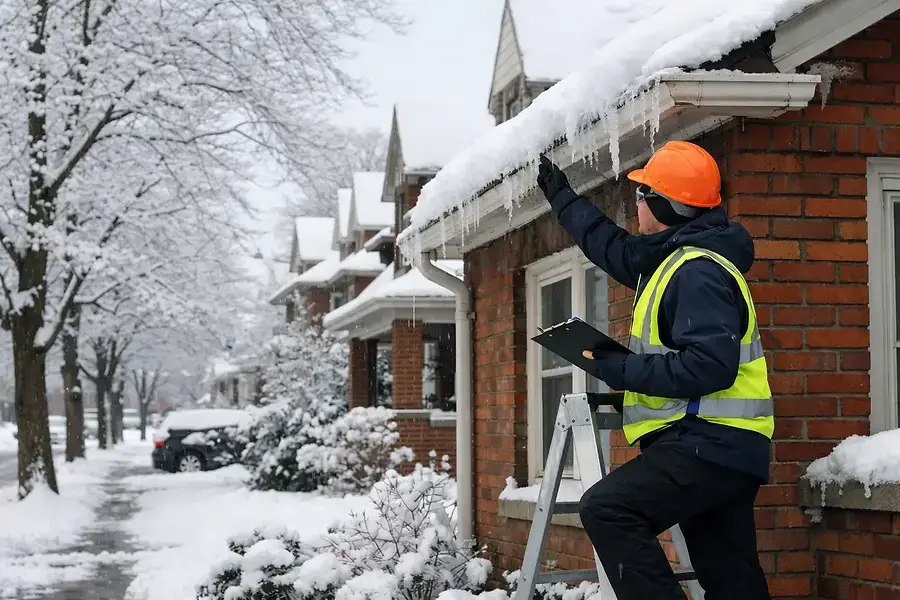
- Ice dam damage: Poor attic ventilation and insulation can lead to ice dams that damage gutters and cause water intrusion
- Water infiltration: Basement moisture and water seepage are common concerns in Buffalo's freeze-thaw climate
- Roof and gutter integrity: Heavy snow loads require robust roofing systems and properly functioning drainage
- Weatherproofing: Caulking, weatherstripping, and window seals must be in good condition to prevent heat loss and water damage
Structural and Safety Concerns
Beyond age and climate, inspectors look for general structural integrity and safety hazards:
- Mold and moisture: Excessive moisture can promote mold growth, which poses health risks
- HVAC systems: Heating systems must be reliable and efficient for Buffalo's cold winters
- Asbestos and lead: Older homes may contain hazardous materials that require professional remediation
- Electrical safety: Outdated panels, improper grounding, and fire hazards are carefully evaluated
The Professional Inspection Process: What Happens and What Questions to Ask
What to Expect During an Inspection
A typical home inspection in Buffalo takes two to three hours and involves a comprehensive evaluation of the property's major systems and components. The inspector will:
- Examine the exterior, including siding, roof, gutters, and drainage systems
- Inspect the foundation and basement for cracks, water damage, and structural issues
- Test all electrical outlets, switches, and the main electrical panel
- Evaluate plumbing systems, water pressure, and water heater condition
- Assess HVAC systems and check for proper operation
- Look for signs of pests, mold, or other environmental concerns
- Document findings with photographs and detailed notes
Important Questions to Ask Your Inspector
Don't hesitate to ask your inspector clarifying questions about their findings. Consider asking:
- "What is the estimated lifespan of major systems like the roof and HVAC?" This helps you budget for future replacements
- "Are there any safety hazards I should address immediately?" Some issues require urgent attention
- "What maintenance can I perform to prevent future problems?" Proactive care extends the life of your home's systems
- "How common are these issues in Buffalo homes of this age?" Understanding context helps you assess severity
- "What would professional repairs cost for the major issues you found?" This informs your negotiation strategy
Understanding the Inspection Report
Your inspector will provide a detailed written report categorizing findings by severity. Issues are typically classified as major (requiring immediate attention), moderate (should be addressed soon), or minor (cosmetic or low-priority). Review this report carefully and discuss any concerns with your real estate agent.
Using Inspection Results to Negotiate Repairs and Close Confidently
Once you have your inspection report, you're in a stronger position to negotiate with the seller. You have several options:
- Request repairs: Ask the seller to fix major issues before closing
- Negotiate a price reduction: Request a lower purchase price to account for repair costs you'll handle yourself
- Request credits: Ask for a credit at closing to cover repair expenses
- Walk away: If issues are too severe or costly, you have the right to withdraw your offer
The key is to prioritize issues based on safety, cost, and impact on your home's value. Work with your real estate agent to develop a negotiation strategy that protects your interests while remaining reasonable to the seller.
Remember: A home inspection is an investment in your peace of mind. The few hundred dollars spent on a thorough inspection can save you thousands in unexpected repairs and help you make a confident decision about one of life's biggest purchases. In Buffalo's unique real estate market, understanding what inspectors look for gives you the knowledge and confidence to invest wisely.