What Home Inspectors Look for in Cape Cod Residential Properties
Discover the critical evaluation points that professional inspectors assess when evaluating residential properties across Barnstable, Bourne, Sandwich, Falmouth, Mashpee, Plymouth, and Pocasset.

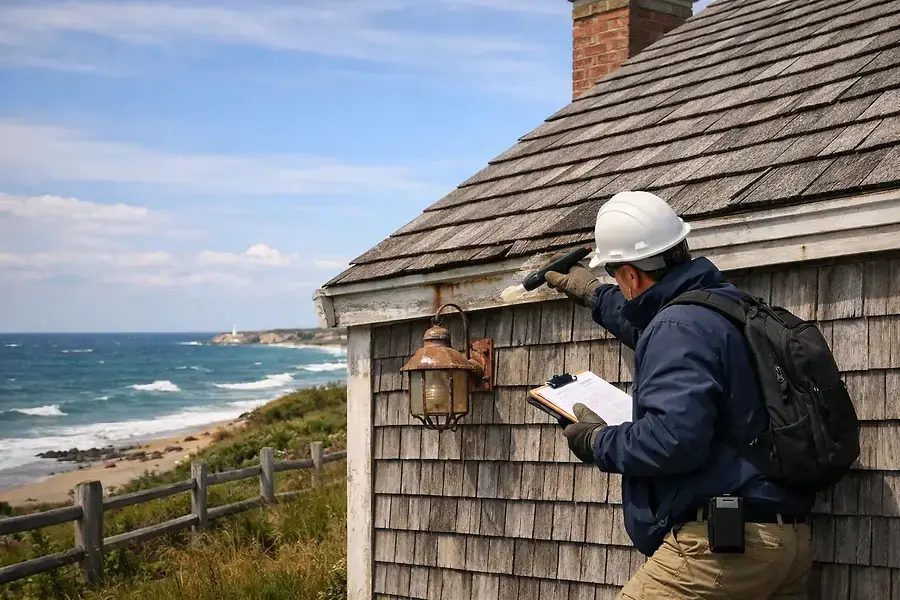
Introduction: Why Home Inspections Matter for Cape Cod Properties
Purchasing a home is one of the most significant investments you'll make in your lifetime. For buyers in Cape Cod and surrounding areas like Barnstable, Bourne, Sandwich, Falmouth, Mashpee, Plymouth, and Pocasset, a thorough home inspection is essential to understanding the true condition of a property. Cape Cod's unique coastal environment presents specific challenges that inspectors must carefully evaluate, from salt air corrosion to moisture damage and foundation issues related to sandy soil conditions.
A professional home inspection provides you with an objective assessment of a property's structural integrity, mechanical systems, and overall safety. This detailed report becomes your roadmap for making informed purchasing decisions and negotiating repairs or price adjustments before closing on your new home.
Key Areas Inspectors Evaluate in Coastal Massachusetts Homes
Structural Integrity and Foundation Assessment
Cape Cod's sandy soil composition requires inspectors to pay special attention to foundation stability. Inspectors examine:
- Foundation cracks and settlement patterns
- Basement or crawl space moisture intrusion
- Proper grading and drainage around the property
- Pier and post support systems common in older Cape Cod homes
The coastal environment can accelerate foundation deterioration, making this assessment critical for long-term property value and safety.
Roofing and Exterior Weathering
Salt air and harsh coastal weather take a toll on roofing materials. Inspectors evaluate:
- Roof age, material condition, and remaining lifespan
- Shingle deterioration and missing or damaged sections
- Flashing integrity around chimneys and vents
- Gutter systems and proper water drainage
- Exterior siding condition, including wood rot and paint deterioration
Coastal properties often require roof replacement more frequently than inland homes, so understanding the current roof's condition is vital for budgeting future maintenance.
Moisture and Water Damage Detection
One of the most critical concerns in Cape Cod properties is moisture intrusion. Inspectors look for:
- Water stains on ceilings and walls
- Mold growth in attics, basements, and crawl spaces
- Damaged or missing vapor barriers
- Condensation issues in windows and doors
- Proper ventilation in bathrooms and kitchens
The high humidity levels near the coast make moisture management essential for preventing costly damage and health hazards.
Mechanical Systems and Utilities
Inspectors thoroughly evaluate all mechanical systems:
- HVAC system functionality and age
- Water heater condition and capacity
- Electrical panel safety and capacity
- Plumbing system integrity and water pressure
- Septic systems (common in Cape Cod areas) or municipal sewer connections
Coastal salt air can corrode metal components faster, so inspectors pay close attention to the condition of these critical systems.
Windows, Doors, and Weatherproofing
Proper sealing and weatherproofing are essential in coastal areas. Inspectors examine:
- Window and door frame integrity
- Caulking and weatherstripping condition
- Storm window and door functionality
- Proper installation and sealing around penetrations
Red Flags and Common Issues Found in Cape Cod Residences
Salt Air Corrosion and Metal Degradation
Salt air is the silent enemy of coastal properties. Inspectors specifically look for corrosion on:
- Metal roof components and flashing
- HVAC units and outdoor equipment
- Electrical connections and panels
- Plumbing fixtures and water lines
Properties closer to the ocean typically show more advanced corrosion, which can significantly impact repair costs.
Mold and Mildew Proliferation
The combination of high humidity and salt air creates ideal conditions for mold growth. Inspectors use moisture meters and thermal imaging to detect hidden mold in:
- Attic spaces with inadequate ventilation
- Basement and crawl space areas
- Wall cavities behind exterior siding
- Around windows and doors with poor sealing
Mold remediation can be expensive and time-consuming, making early detection crucial.
Wood Rot and Structural Decay
Wooden components in Cape Cod homes are particularly vulnerable to rot. Common problem areas include:
- Exterior trim and fascia boards
- Window and door frames
- Deck support posts and railings
- Attic framing and roof decking
Inspectors probe suspected areas with specialized tools to determine the extent of decay and whether structural repairs are needed.
Septic System Concerns
Many Cape Cod properties rely on septic systems rather than municipal sewers. Inspectors evaluate:
- System age and maintenance history
- Signs of system failure or backup
- Proper distance from wells and property lines
- Soil conditions affecting system performance
A failing septic system can result in thousands of dollars in repairs, making this assessment particularly important.
Foundation and Drainage Issues
Sandy soil and high water tables create unique foundation challenges. Inspectors look for:
- Cracks indicating settlement or shifting
- Water pooling around the foundation
- Inadequate grading or drainage systems
- Erosion patterns that suggest water management problems
"A comprehensive home inspection can reveal issues that might cost tens of thousands of dollars to repair if left unaddressed. In Cape Cod's unique coastal environment, this investment in due diligence is absolutely essential."
Conclusion: Using Inspection Reports to Make Informed Purchasing Decisions
A professional home inspection report serves as your detailed guide to a property's condition and potential future expenses. For Cape Cod properties in Barnstable, Bourne, Sandwich, Falmouth, Mashpee, Plymouth, and Pocasset, understanding the specific challenges of coastal living helps you make confident purchasing decisions.
Use your inspection report to:
- Identify necessary repairs and estimate costs
- Negotiate with sellers for repairs or price reductions
- Plan for future maintenance and upgrades
- Budget for coastal-specific concerns like roof replacement and corrosion prevention
Don't skip the home inspection, and don't hesitate to ask your inspector detailed questions about any concerns. This thorough evaluation protects your investment and ensures you're making an informed decision about your new Cape Cod home.


