What Home Inspectors Look For in Cincinnati, Indiana & Kentucky
Discover the critical inspection points that protect your investment across the tri-state residential market.

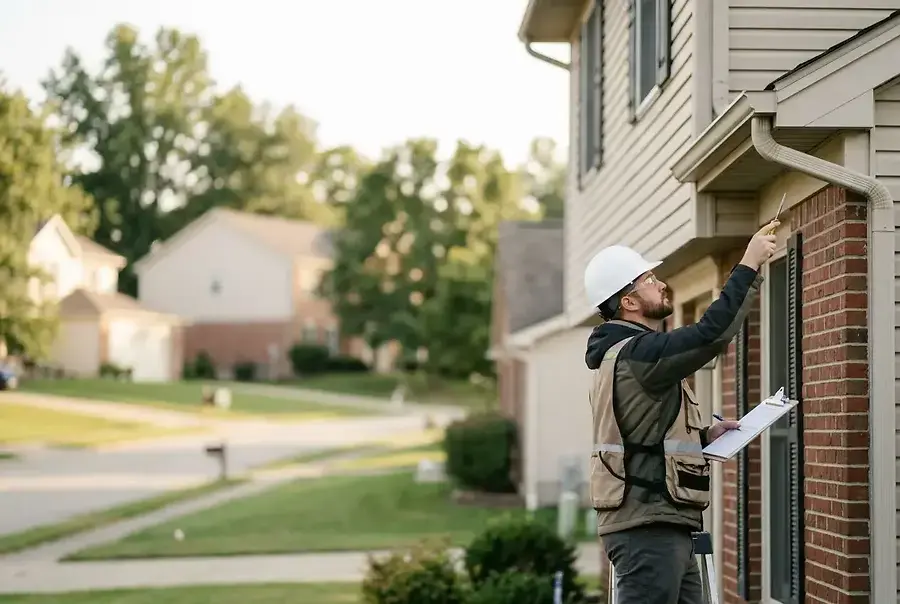
Understanding the Home Inspection Process
A home inspection is one of the most important steps in the home-buying process. It provides a comprehensive evaluation of a property's condition, identifying potential issues before you commit to a purchase. In the Cincinnati, Indiana, and Kentucky tri-state area, professional home inspectors follow standardized protocols to assess residential properties thoroughly.
During a typical inspection, which lasts between two to four hours, inspectors examine:
- Structural components including foundations, walls, and roof integrity
- Electrical systems and safety compliance
- Plumbing and water systems
- HVAC systems and heating/cooling efficiency
- Interior and exterior conditions including windows, doors, and siding
- Attics, basements, and crawl spaces for moisture and pest issues
As a buyer, you have the right to be present during the inspection. This allows you to ask questions and understand the property's condition firsthand.
Regional Property Concerns in the Tri-State Area
Foundation and Moisture Issues
The tri-state region experiences significant seasonal weather variations, which directly impacts home foundations. Basement moisture and water intrusion are among the most common issues inspectors find in Cincinnati, Indiana, and Kentucky properties. Heavy spring rains and freeze-thaw cycles can compromise foundation integrity, leading to cracks and seepage.
Inspectors pay special attention to:
- Visible cracks in basement walls or floors
- Efflorescence (white mineral deposits indicating moisture)
- Sump pump functionality and drainage systems
- Grading around the foundation
Roof and Weather Damage
Given the region's exposure to storms, hail, and ice dams, roof condition is critical. Inspectors examine shingle integrity, flashing around chimneys and vents, and signs of previous repairs. Proper roof maintenance is essential in this climate, as damage can quickly lead to interior water damage.
Aging Infrastructure
Many homes in the tri-state area were built decades ago. Inspectors look for outdated systems that may need replacement:
- Knob-and-tube wiring in older homes (fire hazard)
- Galvanized plumbing that may be corroded
- Asbestos materials in insulation or floor tiles
- Outdated HVAC systems with poor efficiency
Radon and Indoor Air Quality
Radon is a naturally occurring radioactive gas that can accumulate in basements. The tri-state region has varying radon levels, making testing an important consideration. While not always included in standard inspections, radon testing is highly recommended for properties in this area.
How to Interpret Inspection Reports and Negotiate Repairs
Understanding the Report
Home inspection reports typically categorize findings into three levels: major concerns, minor issues, and maintenance recommendations. Major concerns require immediate attention and can significantly impact your offer. Minor issues are typically cosmetic or involve small repairs. Maintenance recommendations help preserve the home's condition long-term.
Take time to review the report carefully and ask your inspector to explain any findings you don't understand. Knowledge is power when it comes to negotiating repairs.
Negotiation Strategies
After receiving the inspection report, you have several options:
- Request repairs: Ask the seller to fix major issues before closing
- Request credits: Negotiate a price reduction to cover repair costs yourself
- Request inspections: Have specialists evaluate specific systems (electrical, plumbing, HVAC)
- Walk away: If issues are too extensive, you can withdraw your offer
Focus negotiations on significant structural or safety issues rather than minor cosmetic problems. Sellers are more likely to accept requests for major repairs than extensive cosmetic work.
Getting Second Opinions
For major findings—especially foundation issues, roof damage, or electrical problems—consider hiring specialists for detailed assessments. A structural engineer, roofer, or electrician can provide expert opinions that strengthen your negotiating position.
Conclusion: Using Inspections to Make Confident Offers
Home inspections are your safeguard against costly surprises. In the Cincinnati, Indiana, and Kentucky tri-state market, understanding regional concerns like moisture issues, aging infrastructure, and weather-related damage is crucial. A thorough inspection protects your investment and provides the information needed to make confident purchasing decisions.
Remember:
A home inspection isn't just about finding problems—it's about understanding what you're buying and negotiating from a position of knowledge.
Work with a qualified home inspector who understands local building codes and regional property challenges. Use the inspection report as a tool for negotiation, not just a list of defects. With proper due diligence, you'll move forward in your home purchase with confidence and clarity.


