What Home Inspectors Look for in New Franklin Properties
Learn the critical inspection points that protect your investment and help you make confident buying decisions in New Franklin.

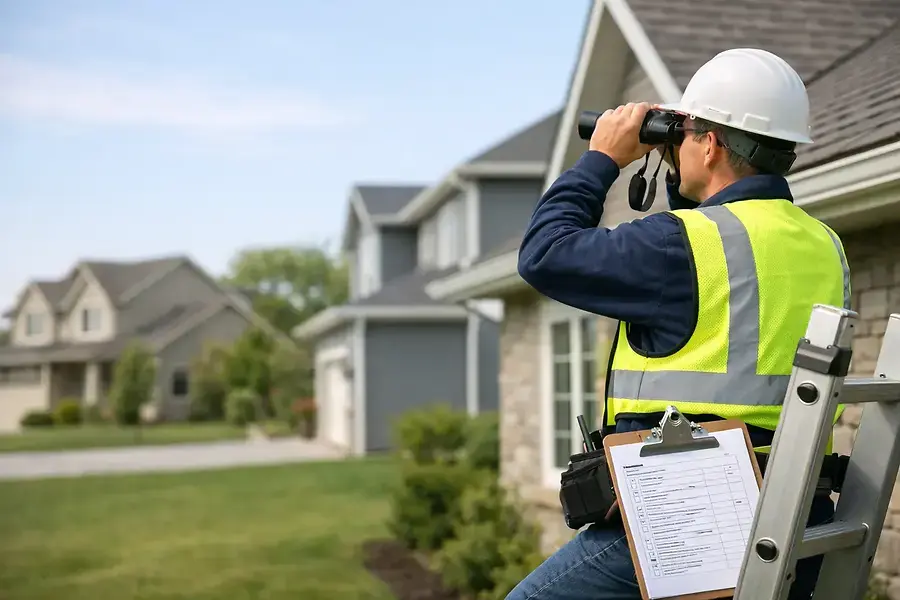
Understanding New Franklin's Home Inspection Process
Purchasing a home in New Franklin is one of the most significant investments you'll make. A professional home inspection is your safeguard against costly surprises and hidden problems. Home inspectors in New Franklin follow a comprehensive process designed to evaluate every major system and component of a property.
The inspection typically takes two to three hours, depending on the home's size and age. During this time, a certified inspector will examine both the interior and exterior of the property, documenting their findings in a detailed report. Understanding what inspectors look for helps you prepare questions and make informed decisions about your potential purchase.
The Role of Professional Inspectors
Licensed home inspectors in New Franklin are trained to identify defects and safety concerns that untrained buyers might miss. They use specialized tools and equipment to assess everything from electrical systems to roof conditions. Their objective report provides you with a clear picture of the property's true condition, giving you leverage in negotiations and peace of mind in your purchase decision.
Key Structural and Systems to Evaluate
Foundation and Structural Integrity
The foundation is the backbone of any home. Inspectors carefully examine the foundation for cracks, settling, water damage, and signs of structural movement. In New Franklin, where soil conditions and weather patterns can affect foundations, this inspection is particularly important. They'll look for:
- Horizontal or vertical cracks in the foundation
- Evidence of water intrusion or moisture problems
- Uneven settling or gaps between walls and floors
- Proper drainage around the foundation perimeter
Roof and Exterior
The roof protects your entire home from the elements. Inspectors evaluate the roof's age, condition, and remaining lifespan. They examine shingles, flashing, gutters, and drainage systems. New Franklin's weather conditions mean roofs experience significant wear, so this assessment is crucial for budgeting future repairs.
- Roof age and material condition
- Missing, cracked, or curling shingles
- Proper flashing around chimneys and vents
- Gutter functionality and downspout placement
- Signs of leaks or water damage in the attic
Electrical Systems
A safe electrical system is non-negotiable. Inspectors verify that the electrical panel is properly sized, that circuits aren't overloaded, and that all outlets and switches function correctly. They check for outdated wiring, improper grounding, and code violations that could pose safety hazards.
Plumbing and Water Systems
Water-related issues can be expensive and damaging. Inspectors test water pressure, check for leaks, examine pipe materials, and verify that the water heater is functioning properly. They also assess the septic system or municipal sewer connection, depending on the property's setup.
HVAC Systems
Heating and cooling systems are essential for comfort and safety. Inspectors evaluate the furnace, air conditioning unit, and ductwork. They verify that systems are properly maintained, functioning efficiently, and appropriately sized for the home. They'll also check for proper ventilation and carbon monoxide safety.
Interior Components
Beyond major systems, inspectors examine:
- Windows and doors for proper operation and sealing
- Insulation levels in attic and walls
- Interior walls and ceilings for water damage or cracks
- Flooring condition and stability
- Basement or crawl space conditions
- Appliances included in the sale
Red Flags and When to Negotiate Repairs
Major Concerns That Require Attention
Structural problems are the most serious issues. Foundation cracks, sagging roofs, or significant settling require professional evaluation and can be expensive to repair. These issues should always be negotiated before purchase.
Electrical hazards including outdated wiring, overloaded circuits, or improper grounding pose safety risks and should be addressed immediately. Plumbing issues such as corroded pipes, active leaks, or failed septic systems require prompt attention and can indicate larger problems.
Roof damage with a short remaining lifespan means you'll face replacement costs soon. HVAC failures can be costly, especially if the system is near the end of its service life.
Negotiation Strategies
Once you receive the inspection report, you have several options. You can request that the seller make repairs before closing, ask for a credit toward repairs you'll handle yourself, or renegotiate the purchase price to account for necessary work. Focus your negotiations on major issues rather than minor cosmetic concerns.
Minor issues like cosmetic damage or worn paint are typically the buyer's responsibility, but significant structural, electrical, or plumbing problems should be addressed before you take ownership.
Get multiple repair estimates for major issues. This gives you concrete numbers for negotiations and helps you understand the true cost of addressing problems. Be prepared to walk away if repairs are too extensive or if the seller refuses to negotiate reasonably.
Moving Forward with Confidence After Inspection
Understanding Your Inspection Report
The inspection report is your roadmap for the property's condition. Take time to review it thoroughly and ask your inspector to explain any concerns. Request clarification on the severity of issues and their potential impact on your decision.
Planning for Future Maintenance
Even if the inspection reveals no major problems, use the report to plan future maintenance. Understanding the age of major systems helps you budget for replacements. A roof that's 15 years old, for example, may need replacement within five years.
Building Your Home Maintenance Schedule
Create a maintenance calendar based on the inspector's findings. Regular maintenance prevents small problems from becoming expensive repairs. Schedule annual HVAC servicing, gutter cleaning, and plumbing inspections to keep your New Franklin home in excellent condition.
Final Steps Before Closing
Once negotiations are complete and you're satisfied with the inspection results, you're ready to move forward. Ensure all agreed-upon repairs are completed before closing, and request a final walkthrough to verify that work was done properly. With a thorough inspection and clear understanding of your home's condition, you can close with confidence and begin enjoying your New Franklin property.
A professional home inspection is an investment in your peace of mind and financial security. By understanding what inspectors look for and how to use their findings, you're taking control of one of life's biggest decisions.


