What Home Inspectors Look for in Newport Beach Properties
Learn the critical inspection points that protect your investment and help you negotiate with confidence.

Understanding the Home Inspection Process in Newport Beach
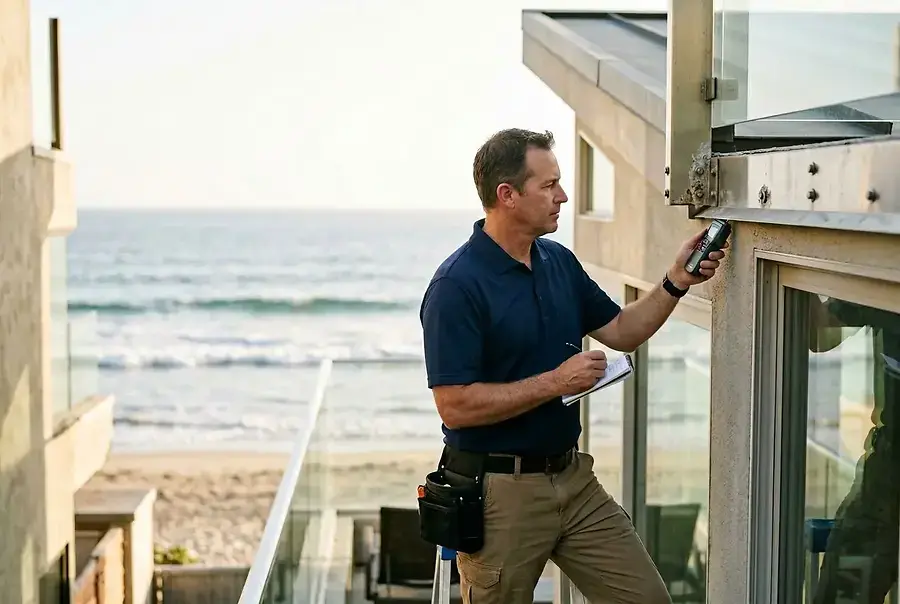
When purchasing a home in Newport Beach, a professional home inspection is one of the most critical steps in the buying process. This comprehensive evaluation goes far beyond a simple walk-through, examining the structural integrity, mechanical systems, and overall condition of the property. Home inspectors in Newport Beach are trained to identify potential issues that could cost thousands of dollars in repairs down the line.
A typical home inspection in Newport Beach takes between two to four hours, depending on the property's size and age. During this time, inspectors examine everything from the foundation to the roof, checking electrical systems, plumbing, HVAC units, and appliances. They also assess the property's compliance with local building codes and identify any safety hazards that need immediate attention.
The inspection process typically includes:
- Structural assessment of the foundation, walls, and roof
- Evaluation of electrical systems and safety panels
- Plumbing inspection and water pressure testing
- HVAC system functionality and efficiency checks
- Inspection of windows, doors, and weatherproofing
- Assessment of interior and exterior conditions
Common Issues Found in Coastal Properties and How to Address Them
Newport Beach's coastal location presents unique challenges that inland properties don't face. Salt air, moisture, and humidity create an environment where certain problems develop more rapidly than in other areas. Understanding these coastal-specific issues can help you prepare for potential repairs and maintenance costs.
Salt Air Corrosion
One of the most prevalent issues in Newport Beach properties is corrosion caused by salt air. Metal components, including HVAC units, plumbing fixtures, and exterior hardware, deteriorate faster in coastal environments. Inspectors look for signs of rust, discoloration, and structural weakening in these areas. Regular maintenance and protective coatings can significantly extend the lifespan of affected components.
Moisture and Mold Concerns
The coastal climate's high humidity levels create ideal conditions for mold growth. Inspectors carefully examine attics, basements, crawl spaces, and areas around windows and doors for moisture intrusion and mold development. Early detection of moisture problems can prevent costly structural damage and health hazards.
Roof and Weatherproofing Issues
Coastal winds and salt spray take a toll on roofing materials. Inspectors assess roof condition, checking for missing shingles, deteriorated flashing, and compromised seals. They also evaluate the effectiveness of weatherproofing around windows, doors, and exterior penetrations to ensure your home is properly protected from the elements.
Red Flags Every Newport Beach Buyer Should Know
While some issues are minor and easily addressed, certain red flags should raise serious concerns about a property's value and safety. Being aware of these warning signs helps you make informed decisions and avoid costly mistakes.
Foundation Problems
Cracks in the foundation, uneven floors, or doors that don't close properly are serious warning signs. Foundation issues can be extremely expensive to repair and may indicate structural problems that affect the entire property. Inspectors use specialized tools to assess foundation integrity and identify potential hazards.
Water Damage and Flooding History
Given Newport Beach's proximity to the ocean, water damage is a critical concern. Inspectors look for water stains, soft spots in flooring, and signs of previous flooding. They also check for proper drainage systems and grading that directs water away from the foundation.
A property with a history of water damage may require extensive remediation and ongoing maintenance.
Outdated or Failing Systems
Aging electrical systems, corroded plumbing, and failing HVAC units are expensive to replace. Inspectors identify systems that are near the end of their lifespan and flag those requiring immediate attention. Understanding the age and condition of major systems helps you budget for future replacements.
Pest Damage and Infestations
Termites, wood-boring beetles, and other pests can cause significant structural damage. Inspectors look for evidence of pest activity, including damaged wood, droppings, and mud tubes. Early detection of pest problems can save you thousands in structural repairs.
Using Inspection Results to Negotiate Better Terms
Once you have the inspection report in hand, you're in a stronger position to negotiate with the seller. Understanding how to use inspection findings strategically can result in significant savings or repairs being completed before closing.
Prioritizing Issues by Severity
Not all inspection findings carry equal weight. Focus your negotiations on major issues that affect safety, structural integrity, or require expensive repairs. Minor cosmetic issues or routine maintenance items are typically less negotiable. Your real estate agent can help you determine which items warrant serious discussion with the seller.
Obtaining Repair Estimates
When significant issues are discovered, get written estimates from licensed contractors for the cost of repairs. These estimates provide concrete numbers for your negotiations and demonstrate that you've done your homework. Sellers are more likely to take your concerns seriously when you present specific repair costs.
Negotiation Strategies
You have several options when addressing inspection issues:
- Request that the seller complete repairs before closing
- Ask for a credit toward closing costs to handle repairs yourself
- Negotiate a reduction in the purchase price
- Request that the seller provide warranties for major systems
The best approach depends on the specific issues, the local market conditions, and your willingness to take on repairs after purchase. Your real estate agent and inspector can provide valuable guidance on what's reasonable to request in your particular situation.
Final Walkthrough
Before closing, conduct a final walkthrough to verify that any agreed-upon repairs have been completed satisfactorily. This ensures you're getting exactly what you negotiated for and protects your investment.
A thorough home inspection is an investment in your peace of mind and financial security. By understanding what inspectors look for and how to use their findings, Newport Beach buyers can make confident decisions and protect their valuable coastal investment.


