What Home Inspectors Really Look For in San Antonio Properties
Protect your investment by understanding what professional inspectors look for in San Antonio homes.

Why Home Inspections Matter in San Antonio's Real Estate Market
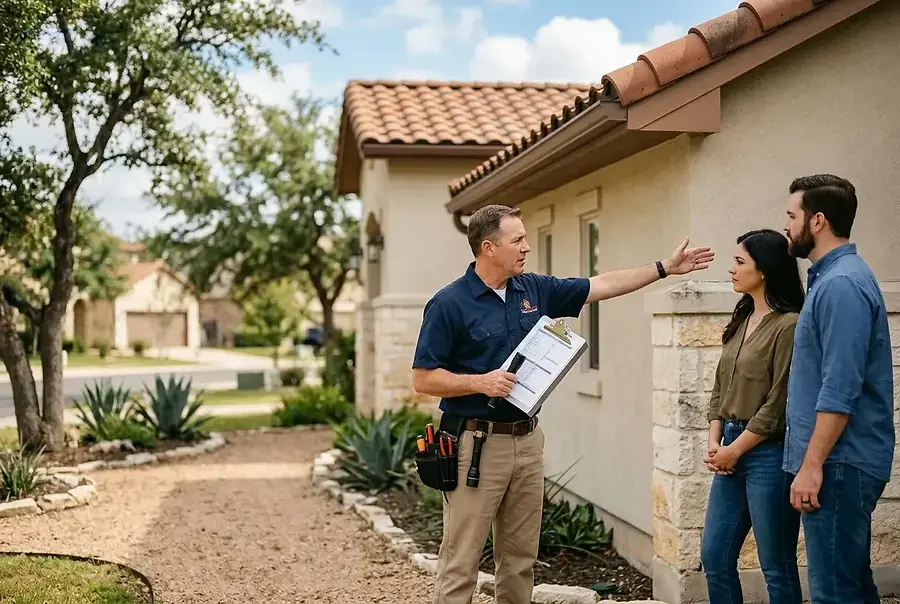
Buying a home is one of the largest financial decisions you'll make in your lifetime. In San Antonio's competitive real estate market, a professional home inspection serves as your safeguard against unexpected repairs and costly surprises. Home inspectors are trained professionals who thoroughly evaluate a property's condition, identifying issues that may not be visible to the untrained eye.
A comprehensive inspection provides you with detailed information about the property's structural integrity, mechanical systems, and overall safety. This knowledge empowers you to make informed decisions, negotiate effectively, and plan for future maintenance or repairs. Whether you're a first-time homebuyer or an experienced investor, understanding what inspectors look for can save you thousands of dollars.
Key Areas Inspectors Evaluate: From Foundations to Roofing
Foundation and Structural Components
The foundation is the backbone of any home. Inspectors carefully examine the foundation for cracks, settling, and signs of water damage. In San Antonio, where soil conditions can vary significantly, foundation issues are particularly important to assess. They look for:
- Horizontal or vertical cracks in the foundation
- Signs of water intrusion or moisture
- Uneven settling or sloping floors
- Gaps between walls and the foundation
Roofing and Exterior
The roof protects your entire home from the elements. Inspectors evaluate the roof's age, condition, and remaining lifespan. They examine shingles, flashing, gutters, and downspouts for damage or deterioration. San Antonio's intense heat and occasional severe weather make roof inspections critical.
- Missing, cracked, or curling shingles
- Deteriorated flashing around chimneys and vents
- Clogged or damaged gutters
- Signs of leaks in the attic
Plumbing Systems
Water damage is one of the most expensive issues homeowners face. Inspectors test water pressure, check for leaks, and examine pipes for corrosion or damage. They also evaluate the water heater's condition and efficiency.
- Leaking pipes or fixtures
- Water pressure issues
- Corroded or outdated plumbing materials
- Water heater age and functionality
Electrical Systems
A safe electrical system is non-negotiable. Inspectors examine the electrical panel, wiring, outlets, and switches to ensure everything meets current safety codes. Outdated or faulty electrical systems pose serious fire and safety hazards.
- Outdated or overloaded electrical panels
- Improper grounding or bonding
- Missing ground fault circuit interrupters (GFCIs)
- Aluminum wiring or other safety concerns
HVAC Systems
San Antonio's hot climate makes air conditioning systems essential. Inspectors evaluate heating and cooling systems for proper operation, age, and maintenance needs. They check for adequate airflow and proper refrigerant levels.
- Age and condition of the air conditioning unit
- Proper operation and cooling capacity
- Ductwork condition and insulation
- Thermostat functionality
Red Flags and Common Issues Found in San Antonio Homes
Water Damage and Moisture Issues
San Antonio's climate can lead to moisture problems, especially in older homes. Inspectors look for signs of water damage, mold, and moisture intrusion in basements, crawl spaces, and attics. Water damage is often the most expensive issue to repair, making early detection crucial.
Outdated or Failing Systems
Older San Antonio homes may have outdated plumbing, electrical, or HVAC systems that don't meet current codes or efficiency standards. Replacing these systems can be a significant expense, so it's important to understand their condition before purchasing.
Pest Damage and Infestations
Termites, wood-boring insects, and other pests are common concerns in Texas. Inspectors look for evidence of pest damage, particularly in wooden structural components. A pest inspection may be recommended in addition to the standard home inspection.
Roof and Attic Problems
Many San Antonio homes have aging roofs that may need replacement soon. Inspectors also check attics for proper ventilation, insulation, and signs of leaks or pest activity. Poor attic conditions can affect energy efficiency and lead to costly repairs.
Foundation Concerns
San Antonio's clay soil can cause foundation movement and settling. Inspectors pay special attention to foundation cracks and signs of structural stress, which are more common in this region than in other areas.
Using Inspection Reports to Negotiate Better Deals and Avoid Costly Surprises
Understanding Your Inspection Report
A thorough inspection report provides detailed findings organized by category. It typically includes photographs, descriptions of issues, and recommendations for repairs or further evaluation. Take time to review the report carefully and ask your inspector to explain any findings you don't understand.
Prioritizing Issues
Not all inspection findings require immediate action. Inspectors typically categorize issues by severity. Focus on major structural, safety, and system issues first, then address cosmetic or minor concerns. This helps you prioritize repairs and budget accordingly.
Negotiation Strategies
Armed with inspection findings, you have several negotiation options:
- Request repairs: Ask the seller to fix major issues before closing
- Request credits: Negotiate a credit toward closing costs to handle repairs yourself
- Request price reduction: Use inspection findings to justify a lower offer price
- Walk away: If issues are too extensive, you may choose to find another property
Planning for Future Maintenance
Even if you negotiate repairs, use the inspection report to plan for future maintenance. Understanding the age and condition of major systems helps you budget for replacements and preventive maintenance. This proactive approach can extend the life of your home's systems and prevent costly emergency repairs.
"A home inspection is an investment in peace of mind. It provides the information you need to make confident decisions about one of your most important purchases."
Final Thoughts
Home inspections are an essential part of the home buying process in San Antonio. By understanding what inspectors look for and how to use their findings, you can protect your investment, avoid costly surprises, and make smarter real estate decisions. Don't skip this critical step—your future self will thank you.


