What Home Inspectors Reveal: A Residential Buyer's Complete Guide
Discover the critical issues inspectors uncover and how to use their findings to negotiate better deals and protect your investment.

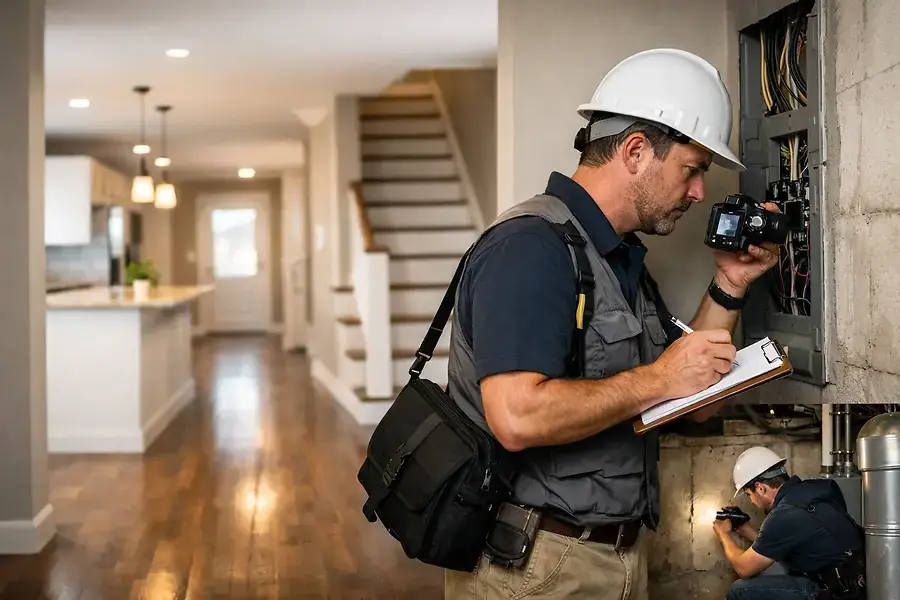
Why Property Inspections Matter for Home Buyers
Purchasing a home is one of the most significant financial decisions you'll make in your lifetime. A professional home inspection serves as your first line of defense against costly surprises and hidden defects. Unlike a simple walkthrough, a comprehensive inspection provides an objective, detailed assessment of a property's condition, revealing issues that untrained eyes might miss.
Home inspectors are trained professionals who examine structural integrity, mechanical systems, and safety features. Their reports give you the information needed to make confident decisions, negotiate effectively, and protect your investment. Without this crucial step, you could inherit expensive repairs or safety hazards that weren't apparent during your initial viewing.
Key Areas Inspectors Examine and Common Red Flags to Watch
Structural Components
Inspectors thoroughly evaluate the foundation, walls, and roof structure. Foundation cracks, settling issues, and water damage are serious red flags that can indicate structural problems requiring expensive repairs. Look for signs of previous repairs or patching, which may suggest ongoing issues.
Roofing and Exterior
The roof is your home's primary defense against weather. Inspectors check for:
- Missing or damaged shingles
- Flashing deterioration around chimneys and vents
- Sagging or uneven roof lines
- Gutter and downspout condition
- Exterior wall damage and water intrusion signs
Roof replacement can cost $10,000 to $25,000 or more, making this assessment critical for your budget planning.
Plumbing Systems
Water-related issues are among the most expensive to repair. Inspectors examine:
- Water pressure and flow rates
- Pipe material and condition (outdated galvanized pipes are a concern)
- Signs of leaks or water damage
- Sump pump functionality
- Septic system condition (if applicable)
Hidden water damage in walls or under flooring can lead to mold growth and structural decay, making early detection invaluable.
Electrical Systems
Outdated or faulty electrical systems pose serious safety risks. Inspectors look for:
- Outdated panel types (like Federal Pacific or Zinsco panels)
- Insufficient grounding and bonding
- Overloaded circuits
- Missing GFCI outlets in wet areas
- Aluminum wiring (a fire hazard)
Electrical upgrades can be costly, so understanding the system's age and condition is essential.
HVAC Systems
Heating, ventilation, and air conditioning systems require regular maintenance. Inspectors assess:
- Age and remaining lifespan of units
- Proper ventilation and ductwork condition
- Refrigerant levels and efficiency
- Thermostat functionality
Replacing an HVAC system typically costs $5,000 to $15,000, so knowing its condition helps with negotiation.
Interior and Safety Features
Inspectors examine interior conditions including:
- Mold and moisture issues
- Asbestos in insulation or flooring (common in older homes)
- Lead paint (particularly important in homes built before 1978)
- Radon levels
- Carbon monoxide detector presence
- Stair safety and handrail compliance
Using Inspection Reports to Negotiate Terms and Repairs
Understanding Your Report
A comprehensive inspection report categorizes findings by severity. Critical issues require immediate attention for safety or structural integrity. Major concerns need addressing within a reasonable timeframe, while minor items are maintenance recommendations.
Review the report carefully and ask your inspector to explain any findings you don't understand. Request photos and detailed descriptions of problematic areas.
Negotiation Strategies
Armed with inspection data, you have several negotiation options:
- Request repairs: Ask the seller to fix critical issues before closing
- Request credits: Negotiate a reduction in purchase price to cover repair costs
- Request escrow: Have funds held in escrow to ensure repairs are completed
- Walk away: If issues are too extensive, you may choose to terminate the purchase
Pro tip: Obtain repair estimates from licensed contractors before negotiating. Sellers are more likely to accept reasonable requests backed by professional quotes.
Prioritizing Issues
Not every finding requires negotiation. Focus on safety-critical items and major systems. Minor cosmetic issues or routine maintenance items are typically the buyer's responsibility after purchase. Prioritize issues that affect:
- Structural safety
- Health and environmental concerns
- Major system functionality
- Water intrusion and moisture control
Post-Inspection Next Steps
After negotiating repairs or credits, request a final walkthrough before closing to verify that agreed-upon repairs were completed satisfactorily. Take photos and document the property's condition. If repairs weren't completed as agreed, you have grounds to delay closing or renegotiate.
Making Informed Decisions with Inspection Data
A home inspection report is more than a list of problems—it's a roadmap for your investment. Use this information to:
- Understand the true condition of your potential home
- Budget for necessary repairs and maintenance
- Plan long-term maintenance schedules
- Negotiate confidently with sellers
- Make an informed decision about whether to proceed with the purchase
Remember that no home is perfect. The goal isn't to find a flawless property but to understand what you're buying and ensure there are no hidden surprises that could drain your finances or compromise your safety.
By taking home inspections seriously and using the findings strategically, you protect your investment, negotiate better terms, and move forward with confidence in your home purchase decision. Don't skip this critical step—your future self will thank you.


