What Home Inspectors Reveal About Properties in the DC Metro Area
Discover what professional inspectors look for when evaluating properties in Bethesda, Chevy Chase, Silver Spring, and surrounding Maryland suburbs.

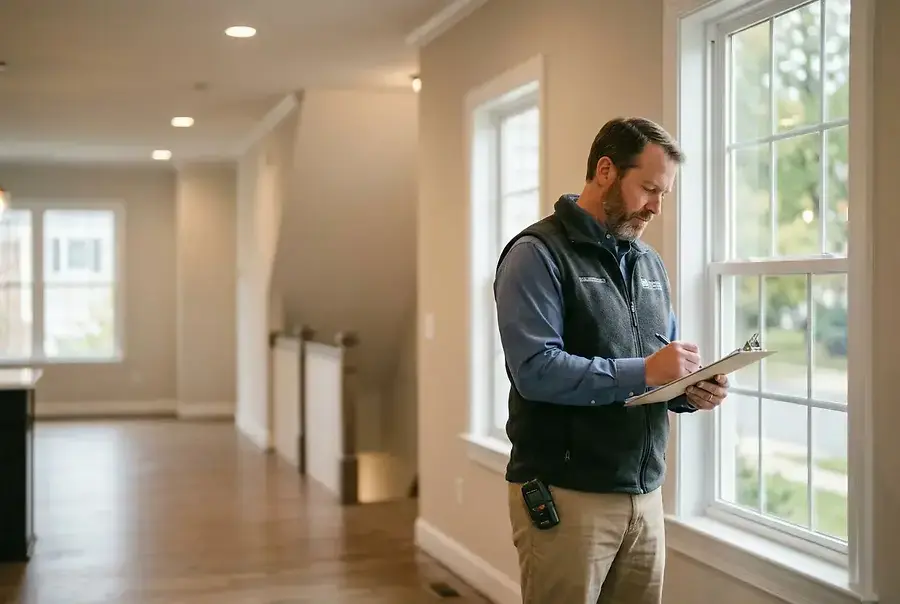
Understanding Home Inspection Essentials for DC Metro Buyers
When purchasing a home in the DC Metro area, a professional home inspection is one of the most critical steps in the buying process. Whether you're looking at a charming colonial in Bethesda, a modern townhouse in Chevy Chase, or a historic property in Silver Spring, inspectors evaluate every major system and component of the home.
A comprehensive home inspection typically covers structural integrity, electrical systems, plumbing, HVAC systems, roofing, insulation, and appliances. Inspectors spend 2-4 hours examining the property, taking measurements, testing systems, and documenting their findings in a detailed report. This report becomes your roadmap for understanding the true condition of your potential investment.
What Inspectors Look For
Professional inspectors in the DC Metro region follow established standards and use specialized equipment to assess properties thoroughly. They examine:
- Foundation and structural elements – checking for cracks, settling, or water damage
- Roof condition – evaluating age, wear, and potential leaks
- Windows and doors – testing operation and seal integrity
- Electrical panels – verifying proper installation and safety compliance
- Plumbing systems – checking for leaks, water pressure, and drainage issues
- HVAC systems – assessing heating and cooling efficiency
- Attic and basement spaces – looking for moisture, pests, or insulation problems
Common Issues Found in Older Homes vs. New Construction in Maryland Suburbs
The DC Metro area features a diverse mix of properties, from Victorian-era homes to contemporary new construction. Each type presents unique inspection challenges.
Older Homes in Bethesda, Chevy Chase, and Silver Spring
Established neighborhoods in these areas are filled with homes built 50+ years ago. Inspectors frequently discover:
- Outdated electrical systems – knob-and-tube wiring or insufficient capacity for modern appliances
- Plumbing issues – corroded pipes, galvanized steel lines, or outdated fixtures
- Roof deterioration – aging shingles or structural concerns requiring replacement
- Foundation problems – settling, cracks, or moisture intrusion in basements
- Asbestos and lead paint – common in homes built before the 1980s
- Poor insulation – leading to higher energy costs and comfort issues
While these issues may sound concerning, many older homes in the DC Metro area have been well-maintained and offer character and charm that newer construction cannot replicate.
New Construction in Maryland Suburbs
Newer homes typically have fewer structural issues but may present different concerns:
- Construction defects – incomplete work or improper installation by contractors
- Warranty coverage gaps – understanding what builder warranties actually cover
- Grading and drainage issues – improper site preparation leading to water problems
- HVAC sizing problems – systems that don't match the home's actual needs
- Cosmetic issues – paint, trim, or finish work that needs correction
Red Flags and Deal-Breakers: What to Watch for in Your Inspection Report
Not all inspection findings are created equal. Some issues are minor maintenance items, while others represent serious financial or safety concerns.
Major Red Flags
Structural problems are among the most serious issues an inspector can find. Foundation cracks, severe settling, or wood rot in load-bearing beams can cost tens of thousands of dollars to repair. Similarly, roof problems requiring immediate replacement represent a significant expense that should heavily influence your offer price.
Electrical hazards such as improper grounding, outdated panels, or unsafe wiring pose safety risks and may require complete system upgrades. Plumbing issues including galvanized pipes, sewage line problems, or persistent leaks can lead to water damage and mold growth.
Mold and moisture damage are particularly concerning in the DC Metro area's humid climate. Extensive mold remediation can be expensive and may indicate deeper moisture control problems.
Minor Issues and Maintenance Items
Not everything in an inspection report requires immediate action. Caulking around windows, minor roof shingle damage, or worn weatherstripping are typical maintenance items that homeowners expect to address over time. These shouldn't be deal-breakers but can be negotiation points.
"A good inspection report doesn't just list problems—it prioritizes them by severity and cost. Understanding this hierarchy helps buyers make informed decisions about their investment."
Next Steps: Using Inspection Results to Negotiate and Close Your Deal
Once you receive your inspection report, you have several options for moving forward with your DC Metro home purchase.
Negotiation Strategies
Armed with a detailed inspection report, you can approach negotiations strategically. For major issues, request that the seller make repairs before closing or offer a credit toward the purchase price. For moderate concerns, you might ask for a partial credit to cover future repairs. For minor items, consider whether they're worth negotiating or if you'd prefer to handle them yourself.
In competitive DC Metro markets like Bethesda and Chevy Chase, sellers may be less willing to negotiate. However, significant inspection findings provide legitimate leverage for price adjustments or repair requests.
Getting Additional Inspections
If the general inspection reveals potential issues in specific areas, consider hiring specialists. Structural engineers can assess foundation concerns, electricians can evaluate electrical systems, and mold specialists can determine the extent of moisture problems. These targeted inspections provide detailed information for negotiation.
Making Your Final Decision
Review your inspection report carefully and discuss findings with your real estate agent and inspector. Consider the age and condition of major systems, the cost of necessary repairs, and your long-term plans for the property. Some issues are deal-breakers; others are simply part of homeownership.
Remember that no home is perfect. The goal of a home inspection is to ensure you understand what you're buying and can make an informed decision. Whether you're purchasing in established neighborhoods or new developments throughout the DC Metro area, a thorough inspection protects your investment and provides peace of mind as you move forward with your purchase.


