What Honolulu Home Inspections Reveal: A Buyer's Complete Guide
Master the critical inspection process to protect your investment and avoid costly surprises in Hawaii's tropical climate.

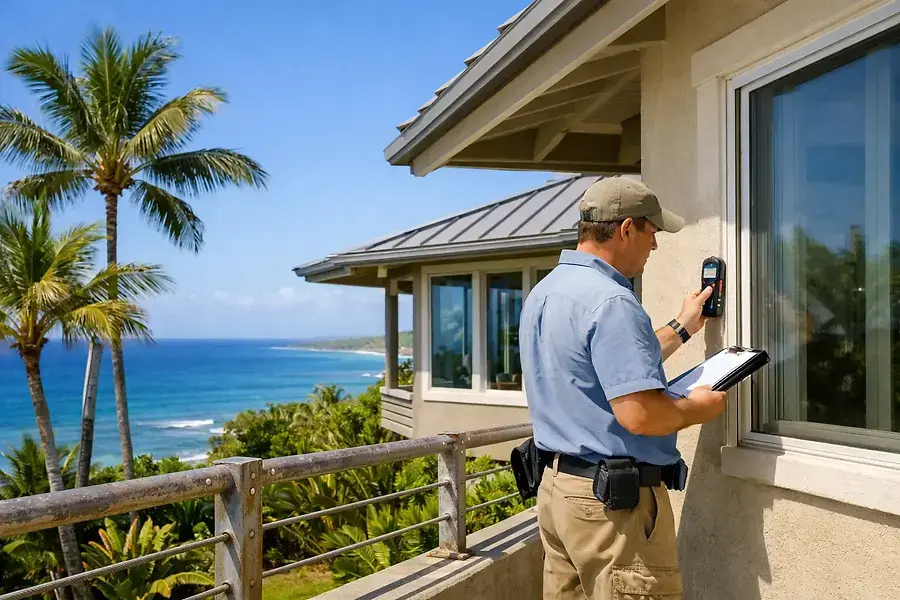
Understanding Honolulu's Unique Inspection Challenges
Buying a home in Honolulu presents distinct challenges that differ significantly from mainland properties. Hawaii's tropical climate, salt-laden air, and unique geological conditions create specific vulnerabilities that standard inspections must address. Understanding these challenges before your inspection begins puts you in a stronger position to protect your investment.
The combination of high humidity, intense UV radiation, and salt spray from the ocean accelerates material degradation. Corrosion, mold growth, and structural damage occur at faster rates in Honolulu compared to other regions. Additionally, properties built on volcanic rock face different foundation concerns than those on traditional soil.
Why Standard Inspections Aren't Enough
A generic home inspection may miss critical issues specific to Hawaii's environment. Professional inspectors familiar with Honolulu properties understand:
- Salt corrosion patterns on metal components and rebar
- Mold and mildew growth in high-humidity areas
- Termite and pest vulnerabilities in tropical climates
- Volcanic rock foundation complications
- Hurricane and tropical storm preparedness
Hiring an inspector with specific experience in Honolulu real estate is not optional—it's essential for comprehensive property evaluation.
What to Expect During a Professional Home Inspection
A thorough home inspection typically lasts 2-4 hours and covers every major system in the property. Understanding the process helps you prepare questions and know what inspectors will examine.
The Inspection Timeline
Your inspector will systematically evaluate the property from exterior to interior. Expect a detailed walkthrough that includes:
- Exterior assessment of roofing, siding, and foundation
- Interior evaluation of walls, ceilings, and flooring
- Mechanical systems including HVAC, plumbing, and electrical
- Appliances and built-in systems
- Attic, basement, and crawl spaces
Your Role During the Inspection
Attend the inspection personally whenever possible. This allows you to ask questions directly and understand issues as they're discovered. Take notes on areas of concern and request clarification on technical findings. A good inspector welcomes questions and explains findings in understandable terms.
Pro Tip: Bring a notebook and camera to document areas of concern. These records prove valuable when negotiating repairs or credits with the seller.
Key Areas of Focus in Hawaii's Climate
Certain components require extra scrutiny in Honolulu properties due to environmental factors unique to Hawaii.
Roofing and Weather Protection
Honolulu's intense sun and occasional heavy rains demand robust roofing systems. Inspectors examine:
- Shingle or tile condition and UV damage
- Flashing integrity and corrosion
- Gutter systems and drainage effectiveness
- Hurricane-resistant installation standards
Roof replacement costs in Hawaii are significantly higher than mainland averages, making this assessment critical for your budget planning.
Moisture and Mold Issues
Hawaii's humidity creates ideal conditions for mold growth. Professional inspectors use moisture meters to detect hidden moisture in walls, ceilings, and crawl spaces. Early detection prevents expensive remediation later. Pay particular attention to:
- Bathroom ventilation and exhaust systems
- Kitchen moisture management
- Basement or ground-level moisture intrusion
- HVAC condensation drainage
Metal Corrosion and Rust
Salt air accelerates corrosion of metal components throughout the property. Inspectors evaluate:
- Rebar exposure in concrete structures
- Metal railings and fasteners
- HVAC units and metal ductwork
- Electrical conduit and connections
- Plumbing fixtures and water heater tanks
Corroded components may require replacement sooner than expected, affecting your long-term maintenance budget.
Pest and Termite Concerns
Honolulu's warm climate supports year-round pest activity. A separate termite inspection is highly recommended in addition to the general home inspection. Termites, drywood termites, and other pests can cause significant structural damage if left unchecked.
Foundation and Structural Integrity
Properties built on volcanic rock require specialized assessment. Inspectors check for:
- Cracks in concrete or foundation
- Settlement or shifting issues
- Drainage around the foundation
- Lava tube considerations in certain areas
Taking Action: Next Steps After Your Inspection Report
Once you receive the inspection report, you have several options depending on findings and your purchase agreement terms.
Reviewing the Report
Take time to carefully read the entire inspection report. Don't skip the fine print or technical sections. Ask your inspector to clarify any findings you don't understand. Request specific recommendations for repairs or further evaluation.
Prioritizing Issues
Not all inspection findings require immediate action. Categorize issues as:
- Critical: Safety hazards or major structural concerns requiring immediate repair
- Important: Systems or components needing repair within 1-2 years
- Minor: Cosmetic or low-priority maintenance items
Negotiation Strategies
Use inspection findings to negotiate with the seller. You can request:
- Seller repairs before closing
- Credits toward closing costs for repairs you'll handle
- Price reduction reflecting repair costs
- Extended inspection period for further evaluation
Remember: Your inspection contingency period is your opportunity to make informed decisions. Use it wisely.
Planning Your Maintenance Strategy
Even minor findings deserve attention in Honolulu's climate. Develop a maintenance plan addressing:
- Regular roof inspections and maintenance
- Moisture control and ventilation upgrades
- Corrosion prevention measures
- Pest prevention protocols
- HVAC system care and filter replacement
Proactive maintenance in Hawaii's climate prevents expensive emergency repairs. Budget for regular professional inspections and seasonal maintenance to protect your investment long-term.
Moving Forward with Confidence
A comprehensive home inspection is your best defense against costly surprises. By understanding Honolulu's unique challenges, attending your inspection, and taking informed action on findings, you protect your investment and make a confident purchase decision. The inspection process isn't just about identifying problems—it's about understanding your new property and planning for its long-term care in Hawaii's demanding tropical environment.