What Houston Home Inspectors Look For: A Buyer's Complete Guide
Learn the critical inspection points that protect your investment and help you avoid costly surprises in Houston's residential market.

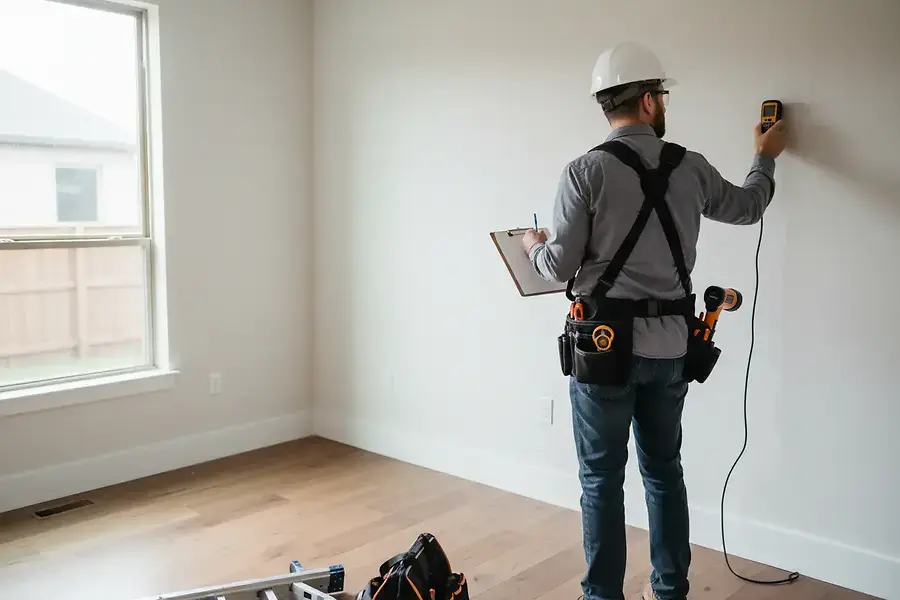
Why Professional Home Inspections Matter for Houston Buyers
Purchasing a home is one of the most significant financial decisions you'll make in your lifetime. In Houston's competitive real estate market, a professional home inspection serves as your safeguard against hidden defects and costly repairs. A thorough inspection can reveal issues that might not be visible during a casual walkthrough, potentially saving you thousands of dollars in unexpected expenses.
Houston's unique climate and environmental conditions—including high humidity, intense heat, and occasional flooding—create specific challenges for residential properties. Professional inspectors understand these regional factors and know exactly what to look for when evaluating homes in the area. An experienced Houston home inspector brings local expertise that generic inspection knowledge simply cannot provide.
Beyond financial protection, inspections give you peace of mind. You'll have detailed documentation of your property's condition before closing, allowing you to negotiate repairs or credits with confidence.
Key Areas Home Inspectors Examine in Houston Properties
Structural Integrity and Foundation
The foundation is the backbone of any home. Houston's clay-heavy soil and fluctuating moisture levels make foundation issues particularly common in the area. Inspectors look for:
- Cracks in the foundation or basement walls
- Uneven or sloping floors
- Gaps between walls and doors or windows
- Signs of water damage or moisture intrusion
- Evidence of previous foundation repairs
Foundation problems can be expensive to repair, making this one of the most critical areas of inspection.
Roofing and Attic Conditions
Houston's intense sun and occasional severe weather demand a robust roofing system. Inspectors evaluate:
- Roof age and remaining lifespan
- Missing, cracked, or curled shingles
- Proper ventilation and insulation in the attic
- Signs of leaks or water damage
- Flashing integrity around chimneys and vents
A well-maintained roof is essential in Houston's climate, where UV exposure and heat can accelerate deterioration.
Plumbing Systems
Water-related issues are among the most common problems found during inspections. Inspectors check:
- Water pressure and flow throughout the home
- Pipe material and condition (galvanized, copper, or PVC)
- Signs of leaks under sinks and around toilets
- Proper drainage in bathrooms and kitchen
- Water heater age and functionality
- Sump pump operation (critical in flood-prone areas)
Electrical Systems
Safety is paramount when evaluating electrical systems. Professional inspectors examine:
- Panel capacity and condition
- Proper grounding and bonding
- GFCI outlets in bathrooms and kitchens
- Outdated wiring that may pose fire hazards
- Adequate number of outlets and circuits
Outdated or faulty electrical systems can be both dangerous and expensive to upgrade.
HVAC and Climate Control
Given Houston's hot and humid climate, a functioning HVAC system is non-negotiable. Inspectors assess:
- Age and efficiency of air conditioning units
- Proper refrigerant levels
- Furnace or heating system condition
- Ductwork integrity and insulation
- Thermostat functionality
Interior and Exterior Conditions
Beyond major systems, inspectors evaluate the overall condition of the property:
- Wall and ceiling integrity
- Flooring condition and stability
- Windows and doors operation
- Exterior siding, paint, and caulking
- Deck or porch safety
- Grading and drainage around the foundation
How to Prepare for Your Home Inspection and Ask the Right Questions
Before the Inspection
Preparation can help you get the most value from your inspection:
- Attend the inspection in person to ask questions and learn about the property
- Request a detailed written report that you can review thoroughly
- Ask about the inspector's experience with Houston properties specifically
- Verify that the inspector is licensed and insured
- Clarify what is and isn't included in the inspection scope
Questions to Ask Your Inspector
Don't hesitate to ask clarifying questions during and after the inspection:
- "What is the estimated remaining lifespan of major systems like the roof and HVAC?"
- "Are there any safety concerns I should be aware of?"
- "What repairs are urgent versus cosmetic?"
- "Are there signs of previous water damage or flooding?"
- "What maintenance recommendations do you have for this property?"
After the Inspection
Once you have the inspection report, take time to review it carefully. Don't be overwhelmed by a long list of findings—inspectors document everything, including minor issues. Work with your real estate agent to prioritize concerns and determine which issues warrant negotiation with the seller.
Consider obtaining quotes from contractors for any significant repairs identified during the inspection. This information strengthens your negotiating position and helps you understand the true cost of ownership.
Using Inspection Findings to Make Confident Purchasing Decisions
A home inspection report is a powerful tool in your purchasing decision. Use the findings to negotiate repairs, request credits toward closing costs, or adjust your offer price accordingly.
Remember that no home is perfect. Minor wear and tear is normal in any property. Focus on significant structural issues, safety concerns, and major system failures that could impact your investment and quality of life.
In Houston's dynamic real estate market, a professional home inspection is not an expense—it's an investment in your peace of mind and financial security. By understanding what inspectors look for and asking the right questions, you'll be equipped to make confident, informed decisions about your home purchase.
A thorough home inspection is your best defense against costly surprises and ensures you're making a sound investment in your Houston property.


