What Peoria Home Buyers Need to Know About Inspection Reports
Learn what home inspectors look for and how to use inspection reports to negotiate repairs and protect your investment.

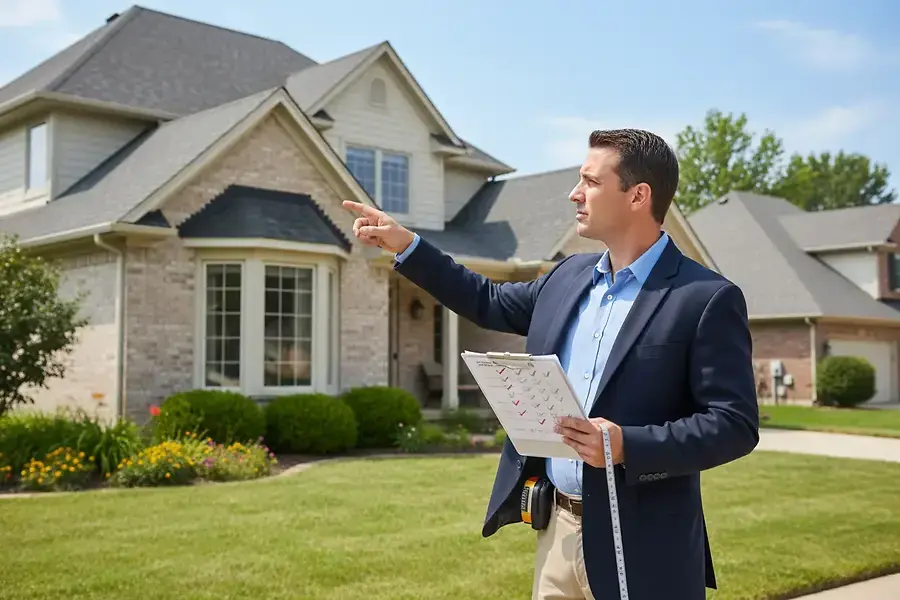
Understanding the Home Inspection Process
Purchasing a home is one of the most significant investments you'll make in your lifetime. In Peoria, as in most places, a professional home inspection is a critical step in the buying process. A qualified home inspector will conduct a thorough examination of the property, evaluating its structural integrity, mechanical systems, and overall condition.
During a typical inspection, which usually takes 2-4 hours, the inspector will examine both the interior and exterior of the home. They'll check everything from the foundation to the roof, testing systems and identifying any issues that could affect the property's value or safety. Understanding what happens during this process helps you prepare for the inspection and know what to expect in the final report.
What to Expect During the Inspection
Most home inspectors follow a standardized checklist covering major systems and components. You have the right to be present during the inspection, and many experts recommend attending to ask questions and learn about the property firsthand. The inspector will document their findings with photographs and detailed notes that will appear in your inspection report.
Key Areas to Assess in Your Inspection Report
Once you receive your inspection report, it's important to understand what the findings mean and how they might impact your purchase decision. Here are the critical areas that inspectors evaluate:
Structural Components
The foundation, framing, and overall structural integrity are fundamental to a home's safety and longevity. Look for any mentions of cracks, settling, or water damage in the basement or crawl space. These issues can be expensive to repair and should be carefully evaluated.
Roofing and Exterior
- Roof age and condition
- Gutters and downspouts
- Siding and exterior walls
- Windows and doors
- Drainage and grading around the property
The roof is one of the most expensive components to replace, so pay special attention to its age and condition. Most roofs last 15-25 years, depending on materials and maintenance.
Mechanical Systems
HVAC Systems: The heating and cooling system is crucial for comfort and energy efficiency. Note the age of the system and any repairs needed. Plumbing: Inspectors check for leaks, water pressure, and the condition of pipes. Older homes may have outdated plumbing materials that could require replacement. Electrical: The inspector will evaluate the electrical panel, wiring, and outlets to ensure they meet current safety standards.
Interior Conditions
The inspection report should detail the condition of walls, ceilings, flooring, and any visible signs of water damage or mold. These issues can indicate larger problems with the home's envelope or drainage systems.
Negotiating Repairs and Addressing Red Flags
Once you have your inspection report, you're in a stronger position to negotiate with the seller. Here's how to approach this critical phase:
Prioritize Your Concerns
Not every issue found in an inspection report requires negotiation. Focus on significant problems that affect safety, functionality, or long-term value. Minor cosmetic issues or routine maintenance items are typically the buyer's responsibility after purchase.
Get Estimates for Major Repairs
Before negotiating, obtain repair estimates from licensed contractors for any major issues. This gives you concrete numbers to work with and demonstrates that you're serious about addressing the problems. Common major repairs include:
- Foundation repairs
- Roof replacement or repair
- HVAC system replacement
- Plumbing or electrical upgrades
- Water damage remediation
Negotiation Strategies
You have several options when addressing inspection findings:
- Request repairs: Ask the seller to fix issues before closing
- Request credits: Negotiate a credit toward closing costs to handle repairs yourself
- Request price reduction: Ask for a lower purchase price to account for needed repairs
- Walk away: If issues are too severe or costly, you may choose to terminate the purchase
Be reasonable in your requests. Sellers are more likely to cooperate if your demands are based on legitimate inspection findings and fair market repair costs.
Red Flags That Demand Attention
Certain inspection findings should raise serious concerns and warrant careful consideration before proceeding with the purchase.
- Structural damage: Cracks in the foundation, bowing walls, or signs of settling
- Mold or water intrusion: Active leaks or extensive mold growth
- Outdated electrical systems: Aluminum wiring or inadequate grounding
- Asbestos or lead paint: Hazardous materials requiring professional remediation
- Pest damage: Evidence of termites, carpenter ants, or other destructive pests
Making Your Final Purchase Decision
The inspection report is a valuable tool that empowers you to make an informed decision about your Peoria home purchase. Take time to review the report thoroughly, ask your inspector questions, and consult with your real estate agent about the implications of any findings.
Consider the Big Picture
While no home is perfect, understanding what you're buying allows you to budget for future repairs and maintenance. A home with minor issues and a fair price might be a better investment than a seemingly perfect home at a premium price.
Protect Your Investment
After closing, maintain your home properly to prevent small issues from becoming major problems. Keep records of all repairs and maintenance, and address issues promptly. This protects your investment and ensures your home remains a safe, comfortable place to live.
By understanding the inspection process, carefully reviewing the report, and negotiating strategically, you'll be well-equipped to make a confident decision about your Peoria home purchase. Remember, the inspection report is your advocate—use it wisely to protect your interests and secure the best possible outcome.


