What Portland Home Inspections Reveal: A Guide for Smart Buyers
Learn what to expect from your home inspection and how to use the report to negotiate confidently.

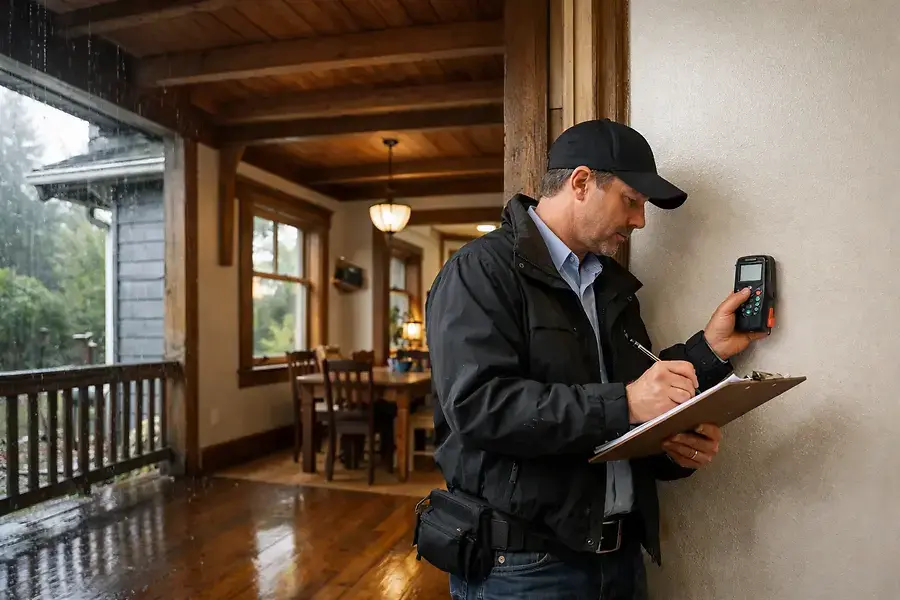
Why Home Inspections Matter in Portland's Competitive Market
In Portland's fast-paced real estate market, home inspections serve as your most valuable tool for making informed purchasing decisions. With properties moving quickly and competition fierce, many buyers feel pressured to skip thorough inspections or overlook red flags. However, a comprehensive home inspection is non-negotiable—it's your opportunity to understand exactly what you're buying before committing to one of the largest investments of your life.
A professional home inspection provides an objective, third-party assessment of a property's condition. Inspectors examine structural integrity, electrical systems, plumbing, HVAC units, roofing, and more. In Portland's unique climate with its frequent rain and older housing stock, inspections are particularly crucial. They reveal hidden issues that could cost thousands to repair and help you negotiate repairs or price adjustments before closing.
Why Portland homes need special attention: Many Portland properties were built decades ago and may have outdated systems, moisture issues, or foundation concerns common to the Pacific Northwest. An inspection gives you the knowledge to make confident decisions in this competitive market.
Common Issues Found in Portland Homes and What They Mean
Moisture and Water Damage
Portland's rainy climate makes moisture intrusion one of the most common inspection findings. Inspectors look for signs of water damage in basements, crawl spaces, attics, and around windows. What it means: Minor moisture might require simple caulking or gutter repairs, while extensive water damage could indicate foundation issues or roof leaks requiring significant investment.
Roof Condition and Age
Roofs typically last 15-25 years depending on materials and maintenance. Inspectors assess shingle condition, flashing integrity, and overall structural soundness. What it means: A roof nearing the end of its lifespan is a major expense to budget for. This finding often becomes a negotiation point, as roof replacement can cost $10,000-$25,000 or more.
Electrical System Issues
Older Portland homes may have outdated electrical panels, insufficient grounding, or wiring that doesn't meet current safety codes. Inspectors test outlets, check for proper grounding, and evaluate panel capacity. What it means: Minor updates might be simple fixes, but outdated panels or unsafe wiring could require costly upgrades before you can safely use modern appliances.
Plumbing and Water Quality
Inspectors check for leaks, water pressure issues, and the type of piping used. Older homes may have galvanized or polybutylene pipes that are prone to failure. What it means: Corroded pipes might need replacement, which can be expensive if they run throughout the home. Water quality testing may also reveal issues requiring filtration systems.
HVAC System Functionality
Heating and cooling systems are evaluated for age, efficiency, and proper operation. What it means: An aging furnace or air conditioning unit may need replacement soon. Understanding the system's condition helps you budget for future maintenance or replacement costs.
Foundation and Structural Concerns
Inspectors look for cracks, settling, or signs of structural movement. Portland's clay soil can shift, causing foundation issues. What it means: Minor cracks are often cosmetic, but significant structural problems require professional engineering assessment and can be costly to repair.
How to Read and Interpret Your Inspection Report
Understanding the Report Format
Most inspection reports are organized by system and component. Each section typically includes:
- Condition ratings: Usually marked as "Good," "Fair," "Poor," or "Needs Repair"
- Detailed descriptions: Explanations of what was found and why it matters
- Recommendations: Suggested actions or repairs
- Photos: Visual evidence of issues found
Prioritizing Issues by Severity
Not all inspection findings require immediate action. Categorize issues into three tiers:
- Critical: Safety hazards or major structural problems that need immediate attention (electrical hazards, roof leaks, foundation cracks)
- Important: Systems nearing end of life or requiring repair soon (aging HVAC, water damage, plumbing issues)
- Minor: Cosmetic issues or maintenance items (caulking, paint, minor repairs)
Getting Professional Clarification
Don't hesitate to contact your inspector with questions. Ask them to clarify severity levels, explain repair costs, and prioritize recommendations. Pro tip: Request a follow-up call to discuss findings in detail—this conversation often provides more insight than the written report alone.
Obtaining Repair Estimates
For significant findings, get written estimates from licensed contractors. This gives you concrete numbers for negotiation. Many sellers will provide repair estimates themselves, but obtaining independent quotes ensures accuracy and protects your interests.
Using the Report for Negotiation
Your inspection report is your negotiating tool. You have three main options:
- Request repairs: Ask the seller to fix critical issues before closing
- Request credits: Ask for a credit toward closing costs to handle repairs yourself
- Renegotiate price: Use findings to justify a lower offer price
Be strategic—focus negotiations on significant issues that affect safety, livability, or resale value. Don't nickel-and-dime over minor cosmetic items.
Using Inspection Reports to Make Confident Purchasing Decisions
A thorough home inspection transforms you from a hopeful buyer into an informed one. You'll understand the true condition of the property, anticipate future expenses, and negotiate from a position of knowledge rather than emotion.
Remember: An inspection isn't about finding reasons to walk away—it's about understanding what you're buying and making decisions aligned with your budget and priorities.
In Portland's competitive market, buyers who use inspection reports strategically gain significant advantages. They negotiate better terms, avoid costly surprises, and purchase homes with confidence. Whether you're a first-time buyer or experienced investor, treating the inspection report as your roadmap to smart decision-making ensures you're making one of life's biggest purchases with your eyes wide open.
Take time to review your inspection report thoroughly, ask questions, and use the findings to guide your negotiation strategy. Your future self will thank you for the diligence.


