What Roanoke Home Inspections Reveal: A Buyer's Complete Guide
Learn what professional inspectors evaluate and how to protect your investment in Roanoke's competitive market.

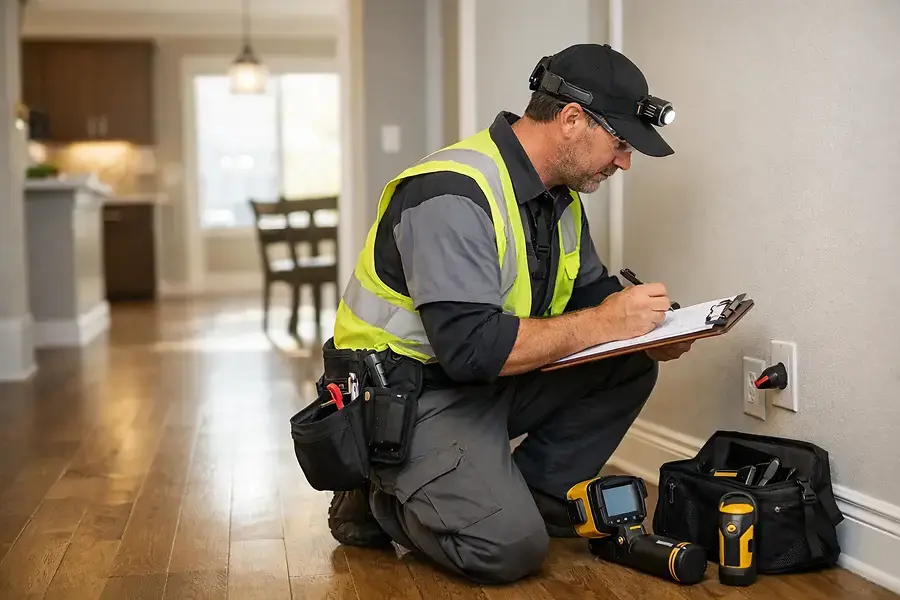
Why Professional Home Inspections Matter in Roanoke
Purchasing a home is one of the most significant financial decisions you'll make, and in Roanoke's competitive real estate market, having a professional home inspection is not just recommended—it's essential. A thorough inspection provides you with an objective assessment of your potential property's condition, helping you avoid costly surprises after closing.
Professional inspectors bring expertise that untrained eyes simply cannot detect. They identify hidden problems that could cost thousands to repair, from structural issues to failing systems. In Roanoke's diverse housing market, where properties range from historic homes to modern constructions, understanding what inspectors evaluate can mean the difference between a sound investment and a financial burden.
The inspection process protects your interests by:
- Revealing the true condition of major systems and components
- Providing documentation for insurance and warranty purposes
- Giving you leverage in price negotiations
- Helping you budget for future repairs and maintenance
- Identifying safety hazards that require immediate attention
Key Areas Inspectors Evaluate: Foundation to Roof
Foundation and Structural Integrity
The foundation is your home's backbone. Inspectors examine the foundation for cracks, settling, water damage, and signs of movement. In Roanoke, where soil composition and moisture levels vary, foundation issues are particularly important to assess. Look for inspectors who specifically evaluate:
- Visible cracks and their severity
- Water intrusion and drainage problems
- Basement or crawl space conditions
- Support beam integrity
Roofing and Exterior
Your roof protects everything beneath it. Inspectors evaluate roof age, material condition, flashing integrity, and ventilation. They also examine siding, windows, doors, gutters, and downspouts. A well-maintained roof can last 20-30 years, but poor condition can lead to interior water damage within months.
Electrical Systems
Modern home inspections include a thorough evaluation of electrical panels, wiring, outlets, and safety features. Inspectors check for outdated systems, improper installations, and code violations. This is critical for safety and future functionality.
Plumbing and Water Systems
Inspectors test water pressure, check for leaks, evaluate pipe materials, and assess water heater condition. They also examine drainage systems and look for signs of water damage. Common concerns include:
- Galvanized or polybutylene pipes (outdated materials)
- Slow drains or backups
- Water heater age and efficiency
- Septic system condition (if applicable)
HVAC Systems
Heating, ventilation, and air conditioning systems are evaluated for age, maintenance history, and operational efficiency. Inspectors check filters, thermostats, and overall system performance. A failing HVAC system can be one of the most expensive repairs a homeowner faces.
Interior Components
Inspectors evaluate walls, ceilings, floors, doors, windows, and built-in appliances. They look for water stains, mold, pest damage, and structural concerns. They also assess insulation levels and ventilation adequacy.
Red Flags and How to Negotiate After Inspection Results
Critical Red Flags
Certain findings warrant serious concern and negotiation:
- Foundation cracks or settling: Can indicate structural problems requiring expensive repairs
- Roof damage or age: Replacement costs can exceed $10,000
- Mold or water intrusion: Health hazards and potential for extensive damage
- Outdated electrical systems: Fire hazards and code violations
- Failing HVAC systems: Expensive replacements needed soon
- Plumbing issues: Leaks and backups indicate system failure
- Pest damage: Termites and other pests can compromise structural integrity
Negotiation Strategies
Once you receive inspection results, you have several options. Don't panic at the first red flag—many issues are manageable. Consider these negotiation approaches:
Request repairs: Ask the seller to fix critical issues before closing. This ensures professional work and proper permits.
Price reduction: Request a credit toward the purchase price to cover repairs you'll handle yourself. This gives you control over the work quality.
Escrow holdback: In some cases, funds can be held in escrow to ensure repairs are completed after closing.
Walk away: If issues are too extensive or the seller won't negotiate, you may decide the property isn't worth the risk.
Working with Your Inspector
A quality inspector will provide a detailed written report with photos and recommendations. Don't hesitate to ask questions about findings. Many inspectors offer follow-up consultations to explain results and discuss implications. This communication is invaluable for making informed decisions.
Closing Strong: Using Inspection Data to Finalize Your Purchase
Documentation and Planning
Keep your inspection report and all related documentation organized. This information becomes valuable for:
- Insurance claims and coverage decisions
- Warranty registration and claims
- Future maintenance planning
- Resale documentation
Creating a Maintenance Schedule
Use inspection findings to create a realistic maintenance and repair schedule. Prioritize critical items and budget for upcoming expenses. This proactive approach prevents small problems from becoming major issues.
Final Walkthrough
Before closing, conduct a final walkthrough to verify that agreed-upon repairs were completed satisfactorily. Confirm that the property matches the condition documented in the inspection report. This is your last opportunity to address concerns before ownership transfers.
Moving Forward with Confidence
A thorough home inspection transforms you from a hopeful buyer into an informed investor. You understand your property's true condition, have negotiated fairly based on facts, and can plan for the future with confidence. In Roanoke's dynamic real estate market, this knowledge is your greatest asset.
Remember: A professional home inspection isn't an expense—it's an investment in your peace of mind and financial security.


