What Royal Oak Home Buyers Need to Know Before Inspections
Protect your investment with a comprehensive checklist to evaluate residential properties before closing.

Why Home Inspections Matter in the Royal Oak Market
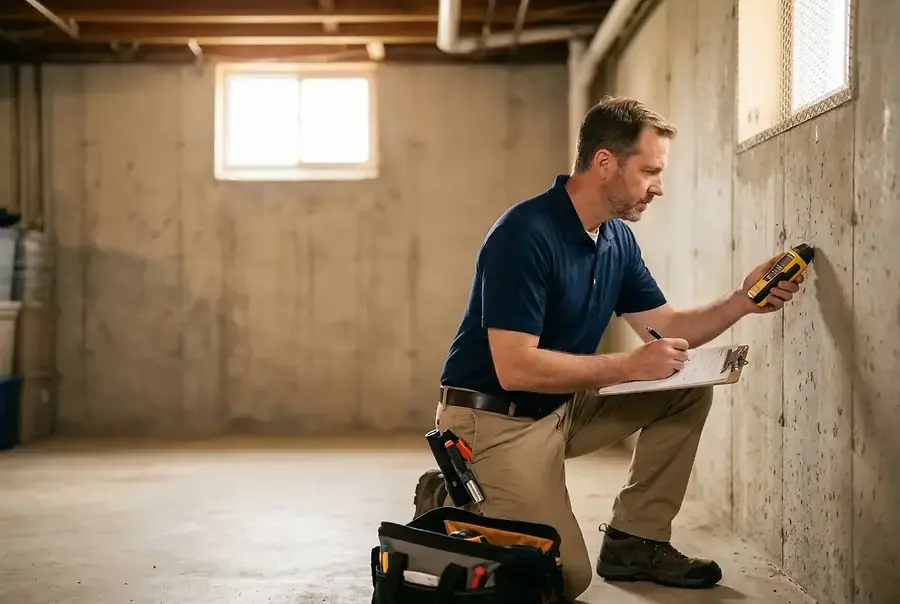
Purchasing a home is one of the most significant financial decisions you'll make. In the Royal Oak real estate market, where properties range from charming historic homes to modern constructions, a thorough home inspection is absolutely essential. An inspection provides an objective assessment of a property's condition and helps you understand what you're truly investing in.
A professional home inspection can reveal hidden issues that might not be apparent during a casual walkthrough. These discoveries could save you thousands of dollars in unexpected repairs and give you the information needed to make an informed decision. Whether you're a first-time buyer or an experienced investor, skipping this crucial step puts your investment at risk.
Essential Systems and Structural Elements to Evaluate
Foundation and Structural Integrity
The foundation is the backbone of any home. During your inspection, look for signs of settling, cracks in the foundation walls, or water damage in the basement. Horizontal cracks are particularly concerning and may indicate serious structural problems that require professional assessment.
Roofing and Exterior
Royal Oak homes experience all four seasons, making the roof critical to protecting your investment. Inspectors should evaluate:
- Roof age and remaining lifespan
- Missing or damaged shingles
- Proper drainage and gutters
- Flashing around chimneys and vents
- Exterior siding condition and water intrusion
Plumbing Systems
Water damage is one of the most costly issues homeowners face. Your inspector should check water pressure, drainage, and the condition of pipes. Pay special attention to older homes that may still have original plumbing, as these systems may need updating or replacement.
Electrical Systems
Ensure the electrical panel is properly grounded and that the home has adequate capacity for modern appliances. Outdated wiring or an insufficient panel can be a safety hazard and may require expensive upgrades.
HVAC Systems
Heating and cooling systems are essential in Michigan. Your inspector should verify that furnaces and air conditioning units are functioning properly and assess their remaining lifespan. Replacement costs for these systems can be substantial.
Red Flags and Common Issues Found in Royal Oak Homes
Water Damage and Moisture Issues
Michigan's climate means moisture is a constant concern. Watch for:
- Staining on ceilings or walls
- Musty odors in basements
- Peeling paint or wallpaper
- Visible mold growth
- Efflorescence (white powder) on basement walls
Water damage can lead to mold growth, structural deterioration, and health concerns. Address any moisture issues immediately.
Outdated Systems
Many Royal Oak homes were built decades ago and may have outdated systems. Knob-and-tube wiring, galvanized pipes, and original HVAC systems are common in older homes and often need replacement. Budget accordingly for these upgrades.
Asbestos and Lead Paint
Homes built before the 1980s may contain asbestos in insulation, floor tiles, or roofing materials. Similarly, homes built before 1978 likely have lead-based paint. While not always dangerous if undisturbed, these materials require careful handling and professional remediation if renovation is planned.
Pest Infestations
Termites, carpenter ants, and rodents are common issues in Michigan homes. Look for evidence of pest damage, especially in basements and crawl spaces. Professional pest inspections may be warranted if signs are present.
Working with Inspectors and Using Results in Negotiations
Choosing the Right Inspector
Select a licensed, certified home inspector with experience in Royal Oak properties. Ask for references, verify their credentials, and ensure they provide detailed written reports. A thorough inspection typically takes 2-3 hours and costs between $300-$500.
Attending the Inspection
Always attend your home inspection if possible. This allows you to ask questions directly and understand the inspector's findings firsthand. Don't hesitate to ask for clarification on any issues or to request photos and documentation of concerns.
Reviewing the Report
Inspection reports categorize issues by severity. Focus on:
- Critical issues that affect safety or structural integrity
- Major repairs needed within the next few years
- Minor issues that are cosmetic or low-priority
Negotiating Based on Findings
Use inspection results as leverage in negotiations. You have several options:
- Request the seller make repairs before closing
- Ask for a price reduction to cover repair costs
- Request credits toward closing costs
- Walk away if issues are too significant
Get repair estimates from licensed contractors for major issues. This gives you concrete numbers to present during negotiations and ensures you understand the true cost of addressing problems.
Final Thoughts
A comprehensive home inspection is your best defense against costly surprises after closing. By understanding what to look for, attending the inspection, and using the results strategically, Royal Oak home buyers can make confident decisions and protect their investment. Don't let excitement about a new home override the importance of due diligence. Your future self will thank you for taking the time to get it right.