What to Expect During a Home Inspection in Little River, SC
Master the home inspection process and learn what to look for to protect your investment in Little River's residential market.

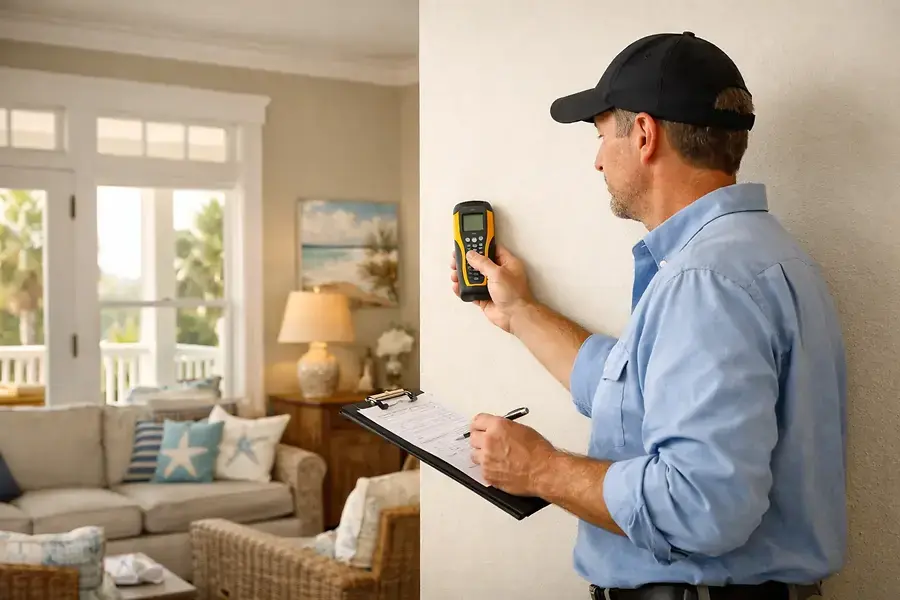
Understanding the Home Inspection Process
A home inspection is one of the most critical steps in the home-buying process, especially in Little River's competitive residential market. This comprehensive evaluation typically takes 2-4 hours and involves a licensed inspector examining the property's structural integrity, systems, and overall condition.
The inspection process begins with an exterior assessment, where the inspector evaluates the roof, foundation, siding, and landscaping. They then move indoors to examine the interior systems, including electrical, plumbing, HVAC, and appliances. Throughout the inspection, the professional documents their findings with photos and detailed notes that will be compiled into a comprehensive report.
As a buyer, you have the right to be present during the inspection. This is highly recommended, as it allows you to ask questions directly and gain a deeper understanding of the property's condition. Many inspectors are happy to explain their findings in real-time, providing valuable insights into potential issues and maintenance needs.
Key Areas Inspectors Evaluate in Little River Homes
Structural Components
Inspectors carefully examine the foundation, walls, and roof structure for signs of damage, settling, or deterioration. In Little River's coastal climate, moisture intrusion and salt air exposure are particular concerns that inspectors watch for closely. They assess the integrity of the foundation for cracks, water damage, or shifting that could indicate serious structural problems.
Roofing and Exterior
The roof is one of the most expensive components to replace, so inspectors pay special attention to its condition. They evaluate:
- Shingle or tile condition and age
- Flashing around chimneys and vents
- Gutters and downspouts
- Signs of leaks or water damage
- Overall weathering and wear
The exterior siding, windows, and doors are also examined for damage, rot, and proper sealing—critical in Little River's humid subtropical environment.
Plumbing Systems
Inspectors test all water fixtures, check for leaks, and evaluate the main water line and drainage system. They assess the condition of pipes, water heater functionality, and water pressure. In older Little River homes, galvanized pipes may be a concern, as they can corrode over time and affect water quality.
Electrical Systems
A thorough electrical inspection includes checking the panel, breakers, outlets, and wiring. Inspectors verify that the system is properly grounded and meets current safety codes. Outdated or unsafe electrical systems are common findings in older properties and should be addressed before purchase.
HVAC and Climate Control
Given Little River's warm, humid climate, air conditioning systems are essential. Inspectors evaluate the age, condition, and functionality of the HVAC system, including the furnace or heat pump, ductwork, and thermostat. They also assess insulation levels and ventilation adequacy.
Interior Condition
The inspector examines walls, ceilings, floors, and doors for damage, moisture issues, or pest infestations. They check for signs of mold, which can be a concern in coastal South Carolina properties. Appliances are tested for proper operation, and storage areas are evaluated for functionality and condition.
How to Use Inspection Findings in Your Offer
Understanding the Report
Once the inspection is complete, you'll receive a detailed report categorizing findings by severity. Items are typically classified as major concerns, minor repairs, or maintenance recommendations. Review this report carefully with your real estate agent to understand the implications of each finding.
Negotiating Based on Findings
Armed with inspection results, you have several options:
- Request repairs: Ask the seller to fix significant issues before closing
- Request credits: Negotiate a credit toward closing costs to handle repairs yourself
- Request price reduction: Ask for a lower purchase price to account for necessary repairs
- Walk away: If major issues are discovered, you may have grounds to terminate the contract
The key is to prioritize issues based on safety, cost, and impact on the property's value. Don't get overwhelmed by minor maintenance items—focus on significant structural, electrical, or plumbing concerns that could affect your investment.
Planning for Future Maintenance
Even if you don't negotiate repairs, the inspection report serves as a valuable maintenance roadmap. It identifies systems that may need attention in the coming years, allowing you to budget accordingly and plan preventative maintenance. This proactive approach can save you money and headaches down the road.
Conclusion: Making Confident Purchase Decisions
A home inspection is your opportunity to gain complete transparency about the property you're considering. By understanding what inspectors evaluate and how to interpret their findings, you can make informed decisions that protect your investment in Little River's real estate market.
Remember, no home is perfect, and inspection reports often reveal minor issues that are normal for any property. The goal is to identify significant problems that could affect safety, functionality, or value. Work closely with your real estate agent and inspector to understand the findings and negotiate appropriately.
By taking the home inspection process seriously and using the results strategically, you'll move forward with confidence in your purchase decision and a clear understanding of your new Little River home's condition and maintenance needs.


