What to Expect During Your Cedar Hill Home Inspection Process
Protect your investment by understanding what to look for during a professional home inspection.

Why Home Inspections Matter in Cedar Hill
Purchasing a home is one of the most significant financial decisions you'll make in your lifetime. Whether you're a first-time homebuyer or an experienced investor, a professional home inspection is essential to protecting your investment. In Cedar Hill, where properties range from historic homes to modern constructions, understanding the inspection process can help you identify potential issues before they become costly problems.
A comprehensive home inspection provides you with a detailed report of your property's condition, covering everything from the foundation to the roof. This knowledge empowers you to negotiate repairs, request credits, or make informed decisions about whether to proceed with your purchase.
Key Areas Inspectors Evaluate and Red Flags to Watch
Structural Components
Inspectors begin by examining the home's foundation, framing, and overall structural integrity. They look for signs of settling, cracks, water damage, and pest infestations. Foundation issues are among the most expensive repairs, so this area deserves careful attention. Watch for visible cracks in the basement or crawl space, uneven floors, or doors that don't close properly.
Roofing and Exterior
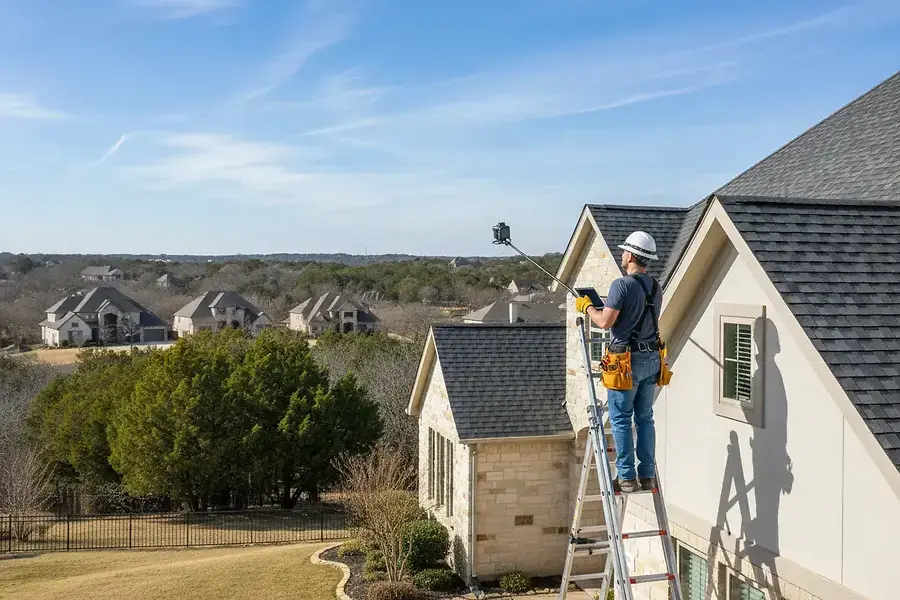
The roof is your home's first line of defense against the elements. Inspectors evaluate the roof's age, condition, and remaining lifespan. They also examine siding, gutters, downspouts, and windows for damage or deterioration. Cedar Hill's weather patterns can be tough on roofing materials, so pay special attention to any signs of wear, missing shingles, or improper drainage.
Plumbing Systems
A thorough inspection includes checking water pressure, drainage, and the condition of pipes throughout the home. Inspectors test all fixtures and look for leaks, corrosion, and outdated materials. Old galvanized pipes or polybutylene plumbing can indicate future problems and potential replacement costs.
Electrical Systems
Inspectors verify that your electrical system is safe and up to code. They check the panel, outlets, switches, and wiring. Red flags include:
- Outdated or insufficient electrical panels
- Missing ground fault circuit interrupters (GFCIs) in wet areas
- Aluminum wiring, which poses fire hazards
- Overloaded circuits or improper grounding
HVAC Systems
Your heating, ventilation, and air conditioning systems are crucial for comfort and indoor air quality. Inspectors evaluate the age, condition, and efficiency of these systems. They check for proper operation, ductwork integrity, and maintenance records. Aging HVAC systems may require replacement soon, which is an important cost to factor into your decision.
Insulation and Ventilation
Proper insulation and ventilation affect energy efficiency and prevent moisture problems. Inspectors assess attic insulation levels, ventilation adequacy, and signs of moisture or mold. Poor ventilation can lead to expensive issues like ice dams, mold growth, and structural damage.
Interior Conditions
Inspectors examine walls, ceilings, floors, and stairs for damage, water stains, or signs of previous repairs. They look for evidence of water intrusion, mold, or pest damage. Water stains on ceilings or walls often indicate roof leaks or plumbing issues that may not be immediately visible.
How to Prepare for and Maximize Your Inspection
Before the Inspection
Preparation is key to getting the most value from your inspection. Here's what you should do:
- Ensure the inspector has access to all areas, including the attic, basement, and crawl spaces
- Request that utilities remain on so systems can be tested
- Ask the current owner for maintenance records and warranties
- Make a list of any concerns or issues you've noticed
- Clear pathways and remove obstacles from inspection areas
During the Inspection
Attend the inspection in person whenever possible. This allows you to:
- Ask questions and learn about the home's systems firsthand
- Point out specific concerns to the inspector
- Take notes on areas that need further investigation
- Understand the severity of any issues discovered
- Get recommendations for repairs or maintenance
Don't be shy about asking questions. A professional inspector will be happy to explain findings and provide guidance on next steps.
After the Inspection
Once you receive the inspection report, take time to review it thoroughly. Prioritize issues by severity and cost. Consider hiring specialists for major concerns like foundation problems, roof damage, or electrical issues. Use the inspection results to negotiate with the seller or make an informed decision about your purchase.
Making Informed Decisions with Inspection Results
A home inspection report can feel overwhelming, but it's a valuable tool for protecting your investment. Not every issue requires immediate action—some items are simply maintenance reminders, while others may be serious concerns requiring professional evaluation.
Work with your real estate agent to prioritize repairs and determine fair compensation from the seller. Remember that no home is perfect, and the goal is to understand what you're buying and plan accordingly.
By understanding the home inspection process and knowing what to expect, you're taking an important step toward making a confident, informed decision about your Cedar Hill property. A thorough inspection provides peace of mind and protects your investment for years to come.


