What West Hartford Homebuyers Should Know About Property Inspections
Learn what professional inspectors examine and how to use inspection reports to negotiate confidently.

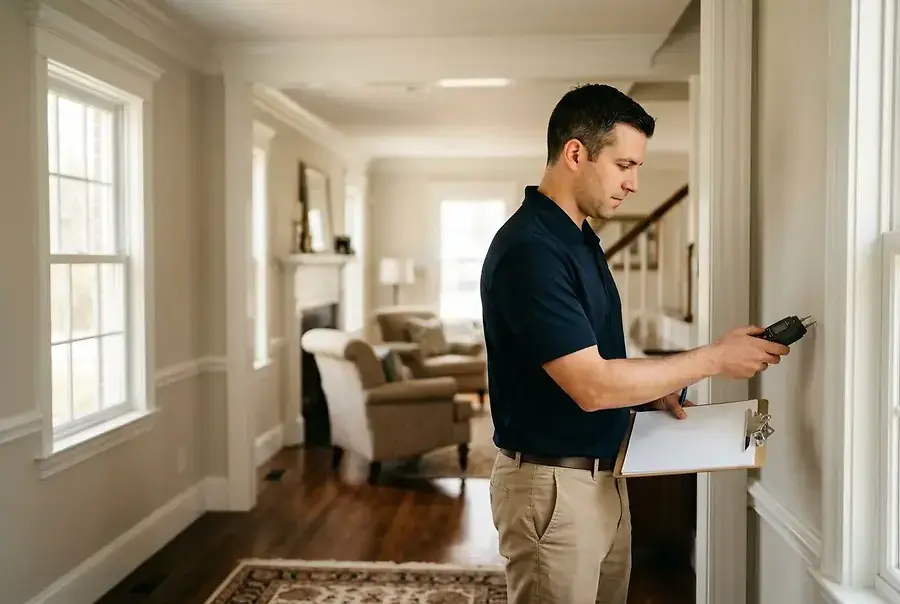
Why Home Inspections Matter for West Hartford Buyers
Purchasing a home is one of the most significant investments you'll make in your lifetime. For West Hartford homebuyers, a professional property inspection is not just a formality—it's a critical safeguard that can save you thousands of dollars and prevent costly surprises down the road. An inspection provides an objective assessment of your potential home's condition, revealing issues that may not be visible during a casual walkthrough.
Many first-time homebuyers underestimate the importance of inspections, viewing them as an unnecessary expense. However, the modest cost of a thorough inspection—typically between $300 and $500—is minimal compared to the potential cost of addressing major structural problems, electrical issues, or plumbing failures after you've already purchased the property. In Connecticut's climate, where homes face unique challenges from freeze-thaw cycles and seasonal weather variations, inspections are particularly valuable.
Beyond identifying problems, inspections empower you as a buyer. They provide documented evidence of a home's condition, giving you leverage in negotiations and helping you make informed decisions about whether to proceed with the purchase, request repairs, or renegotiate the price.
What Professional Inspectors Look For in Connecticut Homes
Structural Components and Foundation
Professional inspectors begin by examining the home's foundation and structural integrity. They look for cracks, settling, water damage, and signs of foundation movement. Connecticut homes, particularly older ones, may experience issues related to soil composition and moisture. Inspectors will assess basement walls, crawl spaces, and the overall stability of the structure.
Roofing and Exterior
The roof is one of your home's most important protective features. Inspectors examine shingles, flashing, gutters, and downspouts for damage, wear, and proper installation. They also assess the exterior walls, siding, windows, doors, and any visible wood rot or pest damage. In Connecticut's climate, proper drainage and weatherproofing are essential to prevent water infiltration.
Plumbing Systems
Inspectors test water pressure, check for leaks, and examine pipes for corrosion or damage. They verify that the water heater is functioning properly and assess its age and condition. They'll also check for proper drainage in bathrooms and kitchens, and inspect septic systems if applicable. Old galvanized pipes, common in older West Hartford homes, may need replacement.
Electrical Systems
A thorough electrical inspection includes checking the main panel, circuit breakers, outlets, and switches. Inspectors look for outdated wiring, improper grounding, and potential fire hazards. They verify that the electrical system meets current safety codes and can handle modern household demands. This is particularly important in older homes that may have outdated systems.
HVAC and Climate Control
Inspectors evaluate your heating and cooling systems, checking furnaces, air conditioners, and heat pumps for proper operation. They assess the age of equipment, efficiency, and whether maintenance has been performed regularly. In Connecticut, reliable heating is essential, making this component crucial to evaluate.
Interior Components
Professional inspectors examine walls, ceilings, and floors for damage, moisture, or structural issues. They check doors and windows for proper operation and sealing. They also look for signs of pest infestation, mold, or water damage. Attic spaces are inspected for proper ventilation, insulation, and signs of leaks or animal activity.
Understanding Your Inspection Report and Negotiating Repairs
Decoding the Inspection Report
Your inspection report will typically categorize findings into three levels: major issues that require immediate attention, minor issues that should be addressed eventually, and recommendations for maintenance or upgrades. Understanding this hierarchy helps you prioritize concerns and determine which issues are deal-breakers versus those you can address after purchase.
Take time to review the report thoroughly and ask your inspector to explain any findings you don't understand. Request clarification on the severity of issues and estimated costs for repairs. A detailed report should include photographs of problem areas, making it easier to understand the issues identified.
Negotiation Strategies
Once you have your inspection report, you have several options for moving forward:
- Request repairs: Ask the seller to fix major issues before closing. This ensures the work is done to your specifications and provides warranties on the repairs.
- Request credits: Ask the seller to provide a credit toward closing costs that you can use to hire contractors for repairs yourself.
- Renegotiate price: Use the inspection findings to justify a lower purchase price that accounts for necessary repairs.
- Walk away: If major issues are discovered and the seller won't negotiate, you may decide the property isn't worth the investment.
When negotiating, be strategic. Focus on significant structural, safety, or system issues rather than cosmetic concerns. Provide the seller with repair estimates from licensed contractors to support your requests. Remember that sellers are more likely to negotiate on major issues that could affect the home's safety or value.
Post-Inspection Next Steps
After negotiations are complete, keep your inspection report for future reference. It serves as a baseline for the home's condition and can be valuable if issues arise later. Use the report to understand your home's maintenance needs and create a plan for addressing recommendations over time.
Consider scheduling a final walkthrough before closing to verify that any agreed-upon repairs have been completed satisfactorily. This ensures you're getting exactly what you negotiated for.
Protecting Your Investment Through Thorough Inspections
A professional home inspection is an investment in your peace of mind and financial security. By understanding what inspectors examine and how to use inspection reports effectively, West Hartford homebuyers can make confident, informed decisions about their purchases.
Don't skip the inspection to save money or speed up the buying process. Instead, view it as an essential step that protects your investment and helps you understand your new home's condition and maintenance needs. With a thorough inspection and strategic negotiation, you'll be well-positioned to move forward with your purchase knowing exactly what you're getting—and what you may need to address in the future.