Whitefish Bay Home Inspection Checklist: What Buyers Must Know
Essential inspection points that protect your investment and reveal hidden property issues before you commit to purchase.

Why Home Inspections Matter in Whitefish Bay
Purchasing a home is one of the most significant financial decisions you'll make in your lifetime. In Whitefish Bay, where properties range from charming historic homes to modern lakefront estates, a thorough home inspection is not just recommended—it's essential. A professional inspection can reveal hidden defects, structural issues, and costly repairs that might not be visible during a casual walkthrough.
Home inspections serve as your protection against unexpected expenses and safety hazards. They provide you with detailed documentation of the property's condition, giving you leverage in negotiations and peace of mind before closing the deal. Whether you're a first-time buyer or an experienced investor, understanding what inspectors look for can help you ask the right questions and make informed decisions.
Critical Areas to Evaluate During Your Home Inspection
Foundation and Structural Integrity
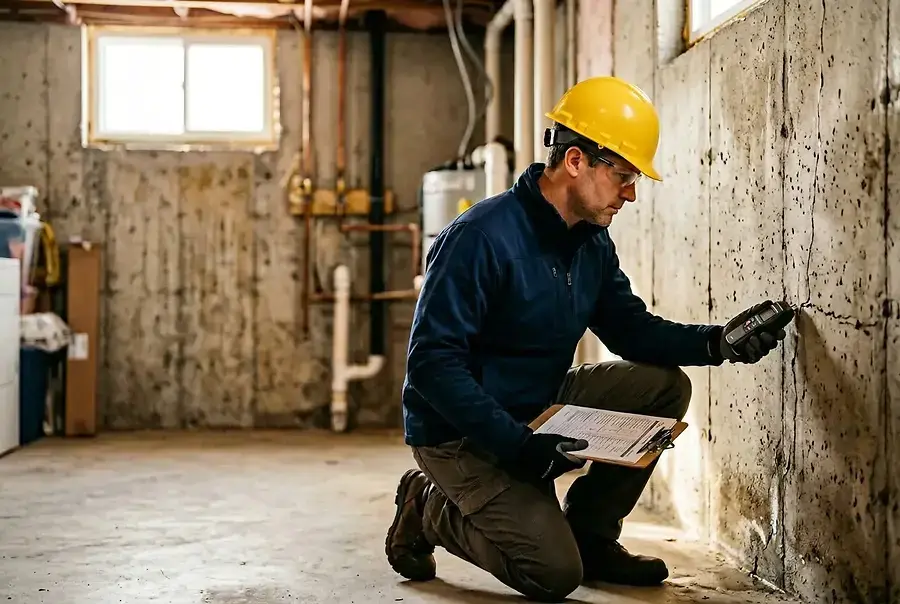
The foundation is the backbone of any home. Inspectors will examine the basement or crawl space for signs of water damage, cracks, settling, and moisture issues. In Whitefish Bay, where seasonal weather changes are significant, foundation problems can develop over time. Look for:
- Horizontal or vertical cracks in foundation walls
- Water stains or evidence of past flooding
- Efflorescence (white mineral deposits)
- Proper grading around the foundation
- Adequate drainage systems
Roof and Exterior
Your roof protects everything beneath it, making its condition critical. Inspectors will assess the roof's age, material condition, and remaining lifespan. They'll also examine gutters, downspouts, siding, windows, and doors for damage or deterioration. Pay special attention to:
- Missing or damaged shingles
- Flashing around chimneys and vents
- Gutter functionality and cleanliness
- Caulking around windows and doors
- Exterior paint and wood condition
Plumbing Systems
Water damage is one of the costliest issues homeowners face. A thorough plumbing inspection includes checking water pressure, drainage, water heater condition, and potential leaks. Inspectors will test all fixtures and look for signs of past or present water problems. Key areas include:
- Water heater age and functionality
- Pipe material and condition
- Drain and sewer line integrity
- Presence of water leaks or stains
- Septic system condition (if applicable)
Electrical Systems
Outdated or faulty electrical systems pose serious safety risks. Inspectors will examine the main panel, wiring, outlets, and switches to ensure everything meets current safety standards. This is particularly important in older Whitefish Bay homes that may have outdated electrical infrastructure. Look for:
- Adequate panel capacity for modern usage
- Proper grounding and bonding
- GFCI outlets in wet areas
- Signs of overheating or damage
- Compliance with current electrical codes
HVAC Systems
Heating, ventilation, and air conditioning systems are essential for comfort and indoor air quality. Inspectors will evaluate the furnace, air conditioning unit, ductwork, and thermostat. Understanding the age and condition of these systems helps you budget for future replacements. Important considerations include:
- Age and maintenance history of equipment
- Proper ventilation and airflow
- Ductwork condition and sealing
- Carbon monoxide detector presence
- Energy efficiency ratings
Insulation and Ventilation
Proper insulation and ventilation affect energy efficiency and prevent moisture problems. Inspectors will check attic insulation levels, ventilation adequacy, and signs of moisture or pest damage. This is crucial for maintaining comfortable temperatures and preventing costly energy bills in Whitefish Bay's climate.
Interior Conditions
Beyond major systems, inspectors examine walls, ceilings, floors, and doors for damage, water stains, or structural issues. They'll look for signs of pest infestation, mold, or previous water damage. Don't overlook these details, as they can indicate larger underlying problems.
Understanding Inspection Reports and Next Steps
What to Expect in Your Report
A comprehensive inspection report will include detailed findings organized by system or area. Reports typically categorize issues by severity—from minor cosmetic concerns to major structural problems requiring immediate attention. Take time to review the entire report carefully and ask your inspector to clarify any findings you don't understand.
Negotiating Based on Inspection Results
Once you have the inspection report, you have several options. You can request repairs from the seller, ask for credits toward repairs you'll handle yourself, or renegotiate the purchase price. Use the inspection data as leverage in these negotiations. Major issues like foundation problems or roof replacement should significantly impact your offer.
Getting Additional Inspections
If the general inspection reveals potential problems in specific areas, consider hiring specialized inspectors. Pest inspections, radon testing, mold assessments, and septic system evaluations can provide deeper insights into specific concerns. These additional inspections typically cost between $200-$500 each but can save you thousands in unexpected repairs.
Making Informed Decisions with Inspection Data
A home inspection is your opportunity to make an informed decision about one of your largest investments. Don't skip this crucial step or rush through the process. Take the inspection seriously, attend the walkthrough if possible, and ask questions about anything that concerns you.
Remember that no home is perfect. Every property has some issues, whether minor or major. The goal of a home inspection is to ensure you understand exactly what you're buying and can make a decision based on complete information. In Whitefish Bay's competitive real estate market, a thorough inspection protects your interests and helps you negotiate confidently.
By following this checklist and understanding what inspectors evaluate, you'll be well-prepared to protect your investment and move forward with confidence in your home purchase decision.


