Why Dual-Purpose Properties Dominate NYC Real Estate Markets
Discover how mixed-use investments in Brooklyn, Flushing, and Staten Island are reshaping portfolios for savvy investors.

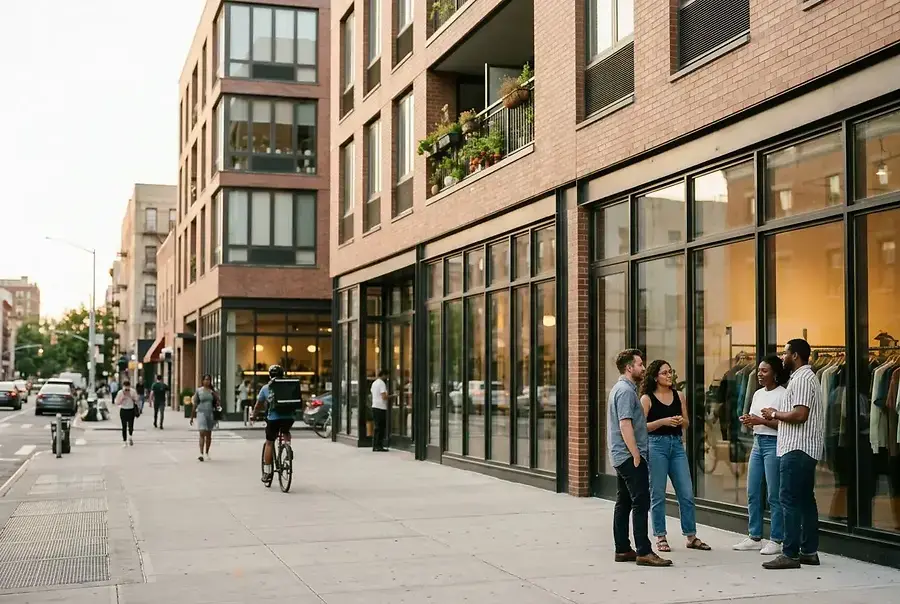
Understanding Dual-Purpose Properties in NYC's Real Estate Landscape
Dual-purpose properties, also known as mixed-use real estate, combine residential and commercial spaces under one roof or within a single development. In New York City's competitive real estate market, these properties have emerged as a game-changing investment strategy for portfolio diversification and revenue optimization.
The concept is straightforward yet powerful: a building might feature ground-floor retail or office space with residential apartments above, or a single property could house both a small business and a living unit. This hybrid approach allows investors to generate income from multiple revenue streams while capitalizing on the city's insatiable demand for both housing and commercial space.
Why Mixed-Use Properties Matter Now
The shift toward dual-purpose properties reflects broader changes in how New Yorkers live and work. With remote work becoming increasingly common, many professionals seek properties that blur the lines between home and office. Simultaneously, small business owners and entrepreneurs are drawn to neighborhoods where they can live above or near their operations, reducing commute times and increasing operational efficiency.
Key benefits of dual-purpose properties include:
- Multiple income streams from residential and commercial tenants
- Increased property value appreciation due to versatile use
- Tax advantages and depreciation benefits across both components
- Greater resilience during economic downturns
- Appeal to a broader range of potential buyers and tenants
Market Advantages Across Brooklyn, Flushing, and Staten Island
Brooklyn: The Trendsetter
Brooklyn has long been at the forefront of NYC's real estate innovation, and dual-purpose properties are no exception. Neighborhoods like Williamsburg, Park Slope, and Sunset Park have seen explosive growth in mixed-use developments. The borough's thriving startup ecosystem and creative industries create natural demand for affordable commercial space paired with residential options.
Investors in Brooklyn benefit from established infrastructure, excellent public transportation, and a proven track record of property appreciation. Ground-floor retail spaces command premium rents from boutiques, cafes, and service providers, while upper-floor apartments attract young professionals and families willing to pay competitive rates.
Flushing: The Emerging Powerhouse
Flushing, Queens, represents one of NYC's most dynamic emerging markets for dual-purpose properties. This neighborhood has transformed into a vibrant commercial and residential hub with significant Asian American investment and entrepreneurship. The area's diverse population creates strong demand for both residential housing and specialized commercial spaces.
What makes Flushing particularly attractive for mixed-use investments is the affordability factor. Property prices remain more accessible than in Brooklyn, yet appreciation potential is substantial. Small business owners—particularly in retail, food service, and professional services—actively seek ground-floor locations in this neighborhood, making commercial components of dual-purpose properties highly rentable.
Staten Island: The Undervalued Opportunity
Staten Island often flies under the radar in NYC real estate discussions, but savvy investors recognize it as an undervalued market with significant growth potential. The borough offers the most affordable entry points for dual-purpose property investments while maintaining strong fundamentals for long-term appreciation.
The commercial real estate market in Staten Island is less saturated than in other boroughs, meaning investors can negotiate better terms and secure tenants more easily. Combined with residential demand from families seeking more space and affordability, dual-purpose properties here offer compelling risk-reward profiles.
Key Considerations Before Investing in Residential-Commercial Properties
Zoning and Regulatory Compliance
Before purchasing any dual-purpose property, thoroughly investigate local zoning laws and building codes. NYC's zoning regulations are complex, and not all properties are legally permitted to operate as mixed-use. Ensure that the property's current or intended use complies with local regulations, and verify that commercial activities won't violate residential lease agreements or vice versa.
Tenant Management Complexity
Managing both residential and commercial tenants requires different skill sets and approaches. Commercial tenants typically have longer lease terms and higher rent expectations, while residential tenants require more frequent maintenance and have stronger legal protections. Consider whether you'll self-manage or hire professional property management—the latter often proves worthwhile for mixed-use properties.
Financing Challenges
Lenders view dual-purpose properties differently than single-use real estate. You may face stricter lending requirements, higher interest rates, or larger down payment expectations. Work with lenders experienced in mixed-use properties and prepare comprehensive financial projections showing income from both residential and commercial components.
Market-Specific Risks
Location matters enormously. A dual-purpose property in a declining commercial corridor may struggle to attract business tenants, while one in a gentrifying neighborhood might face rapid rent increases that displace long-term tenants. Research neighborhood trends, planned infrastructure improvements, and demographic shifts before committing capital.
Maintenance and Operational Costs
Mixed-use properties typically have higher operational costs than single-use buildings. You'll need to maintain commercial-grade systems, handle separate utility meters, manage different insurance requirements, and address the unique wear-and-tear patterns of commercial spaces. Budget accordingly and maintain adequate reserves for unexpected repairs.
Conclusion: Positioning Yourself for Success in Mixed-Use Real Estate
Dual-purpose properties represent a sophisticated investment strategy that aligns with modern urban living and working patterns. Whether you're drawn to Brooklyn's established market, Flushing's emerging opportunities, or Staten Island's undervalued potential, mixed-use real estate offers compelling advantages for investors seeking diversification and enhanced returns.
Success in this space requires:
- Thorough due diligence on zoning, financing, and market conditions
- Professional guidance from real estate attorneys and experienced brokers
- Realistic financial projections accounting for both revenue streams
- Commitment to professional property management
- Long-term perspective on appreciation and market cycles
As NYC's real estate market continues to evolve, dual-purpose properties will likely become increasingly central to successful investment portfolios. By understanding the unique advantages and challenges of mixed-use real estate, you can position yourself to capitalize on this transformative trend and build wealth through strategic property investments across the city's most dynamic neighborhoods.