Why New York Investors Are Choosing Mixed-Use Properties Today
Discover how residential-commercial hybrid properties are delivering strong returns and community value in today's New York market.

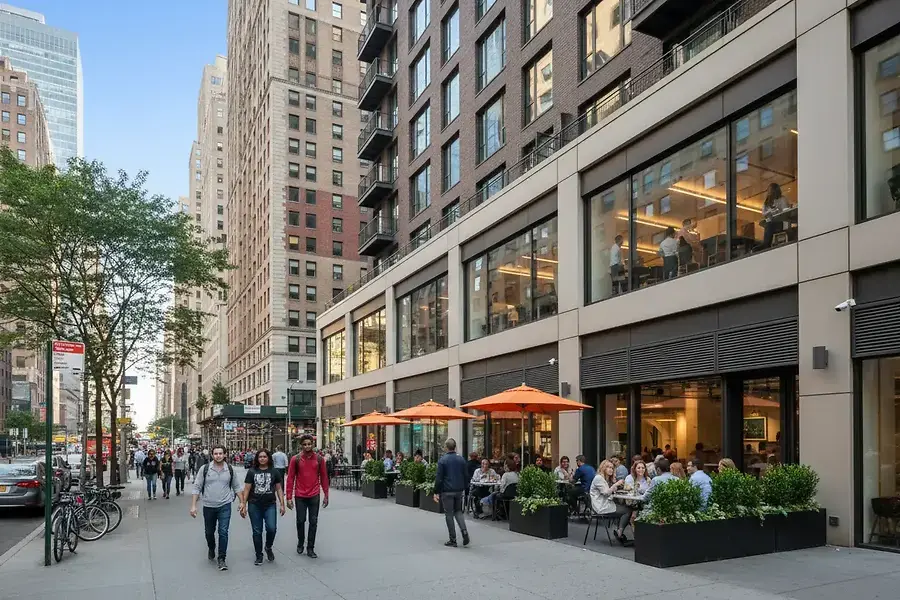
The Rise of Mixed-Use Investment Opportunities in New York
New York's real estate landscape is undergoing a significant transformation. Mixed-use properties—developments that seamlessly blend residential apartments with commercial spaces like retail, offices, and restaurants—are emerging as the preferred choice for forward-thinking investors. This shift represents more than just a trend; it reflects a fundamental change in how people want to live, work, and shop in urban environments.
The appeal is clear: mixed-use properties offer diversified income streams, reduced vacancy risks, and the ability to create vibrant communities that attract both residents and businesses. In a city as dynamic as New York, where space is premium and demand is constant, these hybrid developments are proving to be exceptionally profitable investments.
Understanding the Financial Benefits of Residential-Commercial Properties
Multiple Revenue Streams
One of the most compelling reasons investors are gravitating toward mixed-use properties is the diversified income potential. Unlike traditional single-use buildings, mixed-use developments generate revenue from multiple sources simultaneously:
- Residential rental income from apartments and condominiums
- Commercial lease payments from retail tenants and office spaces
- Ground-floor restaurant and café revenues
- Parking facilities and ancillary services
This diversification acts as a financial buffer. If residential occupancy dips, strong commercial performance can offset losses. Conversely, a downturn in retail doesn't necessarily impact residential demand. This resilience is invaluable in any market cycle.
Higher Occupancy Rates and Lower Vacancy Risk
Mixed-use properties typically maintain higher occupancy rates than single-use buildings. The integrated nature of these developments creates a self-sustaining ecosystem where residents support ground-floor businesses, and commercial tenants attract foot traffic that benefits the entire property. This synergy naturally reduces vacancy periods and stabilizes cash flow.
Premium Pricing and Appreciation
Properties that offer convenience—where residents can live, work, and shop without leaving the building—command premium rents and valuations. New York investors are seeing stronger appreciation rates on mixed-use properties compared to traditional residential or commercial buildings. The scarcity of well-developed mixed-use spaces in prime locations further drives up property values.
Tax Advantages and Operational Efficiency
Mixed-use properties often qualify for tax incentives designed to encourage urban development and revitalization. Additionally, consolidated management of residential and commercial spaces reduces operational costs compared to managing separate buildings. Shared utilities, security systems, and maintenance staff create economies of scale that improve profit margins.
Market Trends: What's Driving Demand for Mixed-Use Spaces in New York
The Post-Pandemic Work Revolution
The shift toward hybrid work models has fundamentally changed how New Yorkers view their living and working spaces. Professionals increasingly prefer neighborhoods with mixed-use developments where they can access co-working spaces, cafés, and restaurants within their residential communities. This trend has created unprecedented demand for properties that cater to this lifestyle.
Younger Demographics Seeking Convenience
Millennials and Gen Z investors and residents prioritize walkability and convenience. They want to minimize commute times and maximize lifestyle flexibility. Mixed-use properties perfectly align with these preferences, making them attractive to both residents and investors targeting this demographic.
Urban Revitalization Initiatives
New York City continues to invest in neighborhood revitalization projects that encourage mixed-use development. Government incentives, zoning reforms, and infrastructure improvements are making it easier and more profitable to develop these hybrid properties. Neighborhoods like Brooklyn, Long Island City, and Harlem are seeing explosive growth in mixed-use projects.
Sustainability and Community Focus
Modern investors recognize that sustainable, community-oriented developments attract quality tenants and command higher valuations. Mixed-use properties naturally promote walkability, reduce car dependency, and foster vibrant neighborhoods—all factors that appeal to environmentally conscious residents and businesses. This alignment with contemporary values enhances long-term investment viability.
E-Commerce Impact on Retail Spaces
While traditional retail has faced challenges, mixed-use properties are adapting by incorporating experiential retail—spaces where customers can interact with products, attend events, and enjoy services. Ground-floor spaces in mixed-use buildings are increasingly hosting pop-up shops, fitness studios, and specialty retailers that thrive on foot traffic from residential tenants.
Conclusion: Positioning Yourself in New York's Hybrid Real Estate Boom
The evidence is compelling: mixed-use properties represent one of the most promising investment opportunities in New York's real estate market. They offer financial resilience through diversified income, strong appreciation potential, and alignment with evolving urban lifestyles.
For investors looking to maximize returns while contributing to vibrant, sustainable communities, mixed-use properties are not just a smart financial decision—they're the future of New York real estate. The combination of residential convenience, commercial viability, and community value creates a powerful investment thesis that transcends market cycles.
"Mixed-use properties aren't just buildings; they're ecosystems that generate value from every angle."
Whether you're a seasoned real estate investor or exploring opportunities in New York's market, now is the time to seriously consider mixed-use properties. The market momentum, demographic trends, and financial fundamentals all point toward sustained growth and exceptional returns for those who position themselves strategically in this hybrid real estate boom.


