Why Residential-Commercial Hybrid Properties Outperform Traditional Investments
Discover how blended-use properties generate multiple revenue streams and create lasting wealth for savvy investors.

The Rise of Hybrid Property Investing
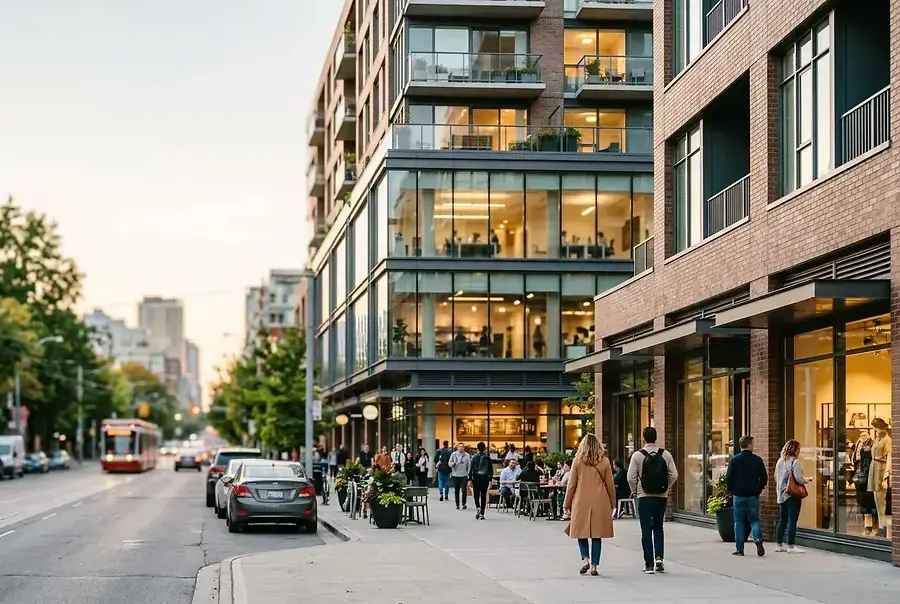
The real estate investment landscape is undergoing a significant transformation. Savvy investors are moving away from traditional single-purpose properties and embracing a more sophisticated approach: residential-commercial hybrid properties. These blended-use developments combine apartments, offices, retail spaces, and entertainment venues under one roof, creating a dynamic ecosystem that generates multiple revenue streams.
The appeal is straightforward yet powerful. While a traditional apartment building relies solely on rental income from tenants, a hybrid property can simultaneously earn revenue from residential leases, commercial office rentals, retail storefronts, and even hospitality services. This diversification fundamentally changes the risk-return profile of real estate investments.
Why are institutional investors and individual property owners increasingly turning to this model? The answer lies in resilience, flexibility, and superior financial performance. Hybrid properties weather economic downturns better than their single-purpose counterparts because they don't depend on a single market segment.
Understanding Revenue Diversification in Mixed-Use Properties
Multiple Income Streams Create Financial Stability
The fundamental advantage of hybrid properties is straightforward: diversification reduces risk. Consider a traditional office building. When commercial real estate faces headwinds, the entire property suffers. But a hybrid property with residential units, office space, and ground-floor retail can offset weakness in one sector with strength in another.
Here's how the revenue model typically works:
- Residential Units: Provide stable, long-term rental income with typically lower vacancy rates
- Commercial Office Space: Generate higher per-square-foot rental rates with professional tenants
- Retail Storefronts: Attract foot traffic and create vibrant street-level activity
- Hospitality Services: Short-term rentals or hotel operations maximize occupancy rates
- Amenity Services: Parking, co-working spaces, and fitness facilities generate additional revenue
Increased Property Value and Appreciation
Mixed-use properties command premium valuations in the market. Appraisers recognize the superior income-generating potential, which translates directly to higher property values. A hybrid property generating $500,000 annually will be valued significantly higher than a single-purpose property generating the same amount, because investors perceive lower risk and greater stability.
Additionally, the synergistic nature of hybrid properties creates what real estate professionals call "value multiplication." The presence of residential units attracts office workers and retail customers. The commercial presence adds security and activity that residential tenants appreciate. This creates a self-reinforcing cycle that enhances the entire property's appeal and value.
Tenant Quality and Retention
Hybrid properties attract a broader spectrum of tenants, including established corporations, professional services firms, and retail chains. These commercial tenants typically have stronger credit profiles and longer lease commitments than residential renters. This translates to more predictable, stable income and lower vacancy rates across the property.
"The beauty of hybrid properties is that they create an ecosystem where different tenant types support each other's success. When one segment faces challenges, others typically thrive." - Real Estate Investment Expert
Real-World Case Studies: Success Stories from Hybrid Property Owners
The Downtown Mixed-Use Development
A property owner in a major metropolitan area purchased a struggling office building and transformed it into a hybrid property. The renovation included 120 residential apartments on the upper floors, 45,000 square feet of office space in the middle sections, and 15,000 square feet of retail on the ground level.
Results: Within three years, the property's annual revenue increased from $1.2 million to $3.8 million. The property value appreciated by 65%, and the owner achieved a 22% annual return on investment. The residential component provided stable baseline income, while the commercial tenants—including a major tech company and established law firm—generated premium rental rates.
The Urban Revitalization Project
Another investor identified an underutilized warehouse district and developed a hybrid property combining 200 residential lofts, 60,000 square feet of creative office space for startups, and 25,000 square feet of retail and restaurant space. The project transformed a declining neighborhood while generating exceptional returns.
Key Success Factors:
- Residential units attracted young professionals seeking urban living
- Affordable office space drew creative companies and startups
- Ground-floor retail created a vibrant community hub
- Combined occupancy rates exceeded 95% consistently
- Property appreciated 40% in five years
The Suburban Hybrid Model
Even in suburban markets, hybrid properties outperform traditional investments. One investor developed a property combining 80 residential units, 30,000 square feet of professional office space, and a small retail component. The property attracted corporate satellite offices, professional services firms, and retail tenants seeking suburban locations with lower costs than downtown.
Performance Metrics: The property achieved 98% occupancy rates, generated $2.1 million in annual revenue, and appreciated 35% over four years. The diversified tenant base provided exceptional stability even during market fluctuations.
Conclusion: Your Path to Building a Resilient Real Estate Portfolio
The evidence is compelling: residential-commercial hybrid properties consistently outperform traditional single-purpose investments. They generate multiple revenue streams, attract higher-quality tenants, command premium valuations, and provide superior resilience during economic cycles.
For investors seeking to build lasting wealth through real estate, the hybrid property model represents a sophisticated evolution beyond traditional approaches. By combining residential stability with commercial upside potential, these properties create a balanced, diversified investment that weathers market challenges while capturing growth opportunities.
The path forward is clear: embrace diversification, recognize the power of mixed-use properties, and position your portfolio for long-term success. Whether you're a seasoned investor or exploring real estate opportunities, hybrid properties deserve serious consideration as a cornerstone of a resilient, wealth-building investment strategy.
The future of real estate investing is hybrid. The question is: will you lead or follow?