Why Residential Properties Appreciate: Building Long-Term Wealth
Discover the key factors that drive home value growth and how smart investments create lasting financial security.

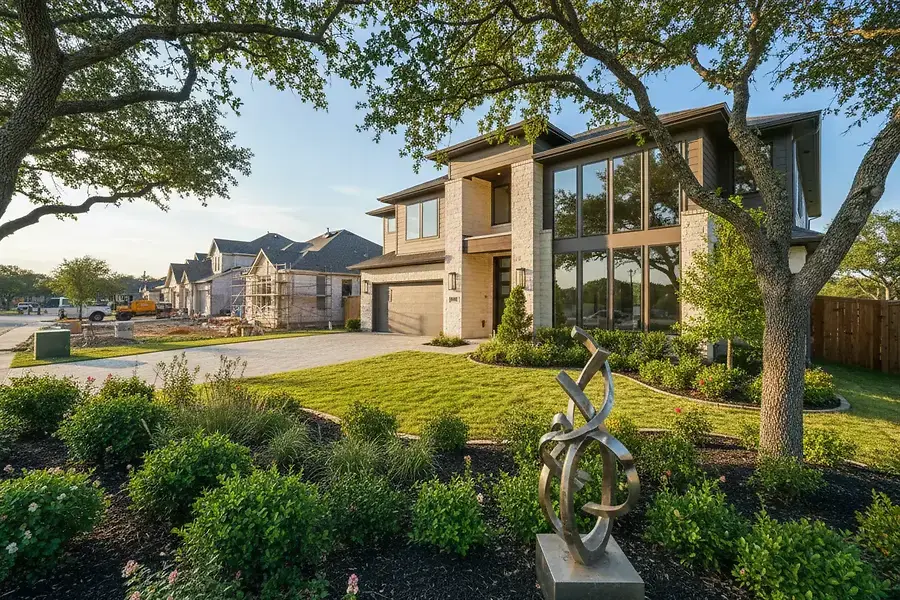
Understanding the Drivers of Residential Property Appreciation
Residential property appreciation is one of the most powerful wealth-building tools available to everyday investors. Unlike stocks or bonds, real estate offers tangible value, leverage opportunities, and multiple income streams. Understanding what drives property values is essential for anyone looking to build long-term financial security.
Economic Growth and Demand
The foundation of property appreciation lies in basic economic principles: supply and demand. As populations grow and economies expand, the demand for housing increases while the supply remains relatively fixed. This fundamental imbalance creates upward pressure on property values over time.
Key factors influencing demand include:
- Population growth in desirable areas
- Job creation and economic development
- Migration patterns toward thriving communities
- Improved infrastructure and transportation networks
Inflation and Currency Devaluation
Real estate serves as an excellent hedge against inflation. As the purchasing power of currency decreases, property values typically rise to maintain their real value. This means your home naturally appreciates simply by keeping pace with inflation, protecting your wealth from erosion.
Limited Land Supply
Land is finite, and this scarcity is perhaps the most powerful driver of long-term appreciation. Unlike manufactured goods, you cannot simply produce more land to meet demand. This inherent constraint ensures that well-located properties will continue to appreciate as populations grow and development pressures increase.
Market Timing, Location, and Strategic Home Improvements
The Critical Importance of Location
The real estate adage "location, location, location" exists for good reason. Property values are fundamentally tied to their geographic position. Homes in desirable neighborhoods with strong schools, low crime rates, and convenient amenities command premium prices and appreciate faster than properties in less desirable areas.
Consider investing in properties near:
- Quality schools and educational institutions
- Employment centers and business districts
- Public transportation hubs
- Parks, recreation areas, and natural amenities
- Emerging neighborhoods with development potential
Strategic Home Improvements
While market forces drive baseline appreciation, strategic renovations can significantly accelerate value growth. Not all improvements are created equal—focus on upgrades that increase functionality and appeal to potential buyers.
High-ROI improvements typically include:
- Kitchen and bathroom remodels
- Energy-efficient upgrades and modern HVAC systems
- Curb appeal enhancements and landscaping
- Roof and foundation repairs
- Updated electrical and plumbing systems
Avoid over-personalizing your home or making improvements that exceed neighborhood standards, as these rarely return their full investment.
Market Timing Considerations
While timing the market perfectly is impossible, understanding market cycles helps inform investment decisions.
The best time to buy is when others are fearful; the best time to sell is when others are greedy.Property markets move in cycles, and patient investors who buy during downturns and hold through recovery periods capture significant appreciation gains.
Building an Investment Strategy for Wealth Creation
The Power of Long-Term Holding
Residential property appreciation accelerates over time. The longer you hold a property, the more compound growth works in your favor. Most successful real estate investors hold properties for 10+ years, allowing market cycles to complete and appreciation to accumulate substantially.
Leverage and Financing
Real estate offers a unique advantage: you can control a large asset with a relatively small down payment. A 20% down payment gives you control of 100% of the property's appreciation. If a $500,000 home appreciates 3% annually, you gain $15,000 in value while only having invested $100,000 initially—a 15% return on your invested capital.
Diversification Across Markets
Smart investors don't limit themselves to a single property or market. Building a diversified portfolio across different geographic regions, property types, and price points reduces risk while maximizing wealth-building potential. Consider properties in growing markets with strong fundamentals rather than speculative investments.
Rental Income and Cash Flow
Beyond appreciation, residential properties generate ongoing income through rental payments. This dual benefit—appreciation plus cash flow—creates a powerful wealth-building engine. Rental income can cover mortgage payments, property taxes, and maintenance while you benefit from appreciation, effectively allowing tenants to help build your equity.
Conclusion: Making Your Residential Investment Work for You
Residential property appreciation is not a get-rich-quick scheme—it's a proven, time-tested method for building lasting wealth. By understanding the fundamental drivers of property values, selecting strategic locations, making smart improvements, and maintaining a long-term perspective, you position yourself to benefit from one of the most reliable wealth-building tools available.
The key to success is starting early, thinking long-term, and staying disciplined. Whether you're purchasing your first home or expanding an investment portfolio, remember that real estate wealth is built gradually through consistent decisions and patience. Your residential property investment today could be the foundation of your financial security tomorrow.
The best time to plant a tree was 20 years ago. The second best time is today. The same principle applies to real estate investing—begin your wealth-building journey now, and let time and market forces work in your favor.


