Why Residential Properties Appreciate: Key Factors That Build Equity
Discover the proven market drivers that increase home values and help you make smarter investment decisions.

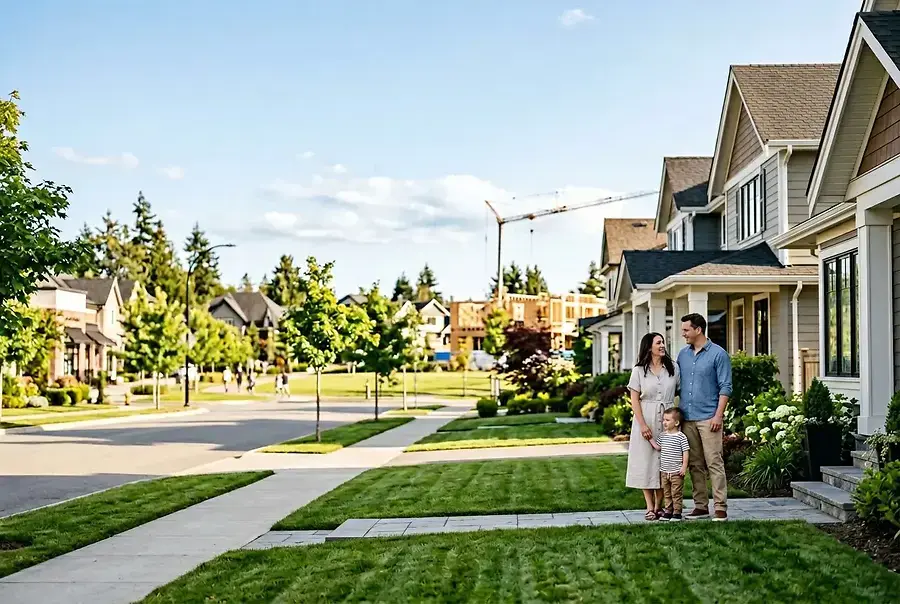
Understanding Residential Property Appreciation
Residential property appreciation is one of the most reliable wealth-building tools available to homeowners and investors. Unlike stocks or bonds, real estate offers tangible value, tax benefits, and the potential for significant equity growth over time. But what actually drives property values upward? Understanding the key factors behind appreciation can help you make informed decisions about where to invest and how to maximize your returns.
Property appreciation doesn't happen by accident. It results from a combination of market forces, economic conditions, and property-specific improvements. By recognizing these drivers, you can position yourself to benefit from natural market growth while actively enhancing your property's value.
Market Fundamentals: Location, Demand, and Economic Growth
The Power of Location
The real estate adage "location, location, location" exists for a reason. Location is arguably the single most important factor in property appreciation. Properties in desirable neighborhoods with strong schools, low crime rates, and convenient access to amenities consistently outperform those in less attractive areas.
- Proximity to employment centers: Homes near major job hubs appreciate faster as demand from commuters increases
- School quality: Families prioritize excellent schools, driving up property values in top-rated districts
- Walkability and amenities: Access to parks, restaurants, shopping, and entertainment attracts buyers and renters
- Transportation infrastructure: Properties near public transit, highways, and airports gain value through improved accessibility
Supply and Demand Dynamics
Basic economics tells us that when demand exceeds supply, prices rise. In real estate, this principle is powerful. Areas experiencing population growth, migration influx, or limited housing inventory see property values climb steadily. Conversely, regions with abundant housing stock and declining populations may experience stagnation or depreciation.
Key demand drivers include: Job creation, population growth, limited developable land, and demographic shifts toward urban or suburban living.
Economic Growth and Interest Rates
Broader economic conditions significantly impact property appreciation. Strong economic growth increases household incomes, employment rates, and consumer confidence—all of which boost demand for housing. Additionally, lower interest rates make mortgages more affordable, enabling more buyers to enter the market and bid up prices.
Conversely, economic downturns and rising interest rates can slow appreciation or even trigger depreciation. Savvy investors monitor economic indicators and interest rate trends to time their purchases strategically.
Property-Level Factors: Condition, Improvements, and Maintenance
The Impact of Property Condition
While market forces provide the foundation for appreciation, property-specific factors determine how much value individual homes gain. A well-maintained home in excellent condition will appreciate faster than a neglected property in the same neighborhood.
Regular maintenance prevents costly repairs and preserves structural integrity. Homes with updated systems—electrical, plumbing, HVAC, and roofing—command premium prices because buyers avoid unexpected expenses.
Strategic Improvements and Renovations
Not all improvements generate equal returns, but strategic upgrades can significantly boost property value. High-ROI renovations typically include:
- Kitchen and bathroom updates: These rooms drive buyer decisions and offer excellent return on investment
- Energy-efficient upgrades: New windows, insulation, and HVAC systems reduce utility costs and appeal to eco-conscious buyers
- Curb appeal enhancements: Landscaping, fresh paint, and updated entryways create strong first impressions
- Additional living space: Finished basements, additional bedrooms, or expanded square footage directly increases property value
- Smart home technology: Modern buyers appreciate automated systems for security, climate control, and convenience
The key to successful renovations is choosing improvements that align with buyer preferences in your specific market. A luxury spa bathroom might be perfect in an upscale neighborhood but unnecessary in a modest market.
Maintenance as a Value Preservative
Consistent maintenance is often overlooked but absolutely critical. Deferred maintenance—neglected repairs and aging systems—can dramatically reduce property value. Conversely, homeowners who stay on top of maintenance preserve their home's condition and position it for steady appreciation.
Simple maintenance tasks like regular inspections, timely repairs, and preventive care protect your investment and demonstrate value to future buyers.
Positioning Your Investment for Long-Term Gains
Understanding property appreciation factors empowers you to make strategic decisions. Here's how to maximize your residential real estate investment:
Buy in Appreciating Markets
Research neighborhoods with strong fundamentals: population growth, job creation, limited supply, and economic development. Properties in these areas benefit from natural market appreciation regardless of individual property improvements.
Invest in Property Quality
Purchase homes in good condition or be prepared to make strategic improvements. The combination of a strong market location and a well-maintained property creates a powerful appreciation engine.
Plan for the Long Term
Real estate appreciation compounds over time. While short-term market fluctuations occur, properties in fundamentally sound markets consistently gain value over 5, 10, and 20-year periods. Patient investors who hold through market cycles benefit most.
Stay Informed
Monitor economic indicators, interest rate trends, and local market conditions. Understanding what drives appreciation in your specific market helps you identify opportunities and avoid pitfalls.
The Bottom Line: Residential property appreciation results from the intersection of favorable market conditions and property-specific quality. By selecting properties in strong markets and maintaining them well, you position yourself to build substantial equity over time. Real estate remains one of the most accessible and proven paths to long-term wealth creation.


