Why Your Home's Foundation Inspection Matters Before Selling
Discover how a solid foundation assessment can prevent costly negotiations and accelerate your residential sale.

The Hidden Value of Foundation Knowledge
When preparing to sell your home, most sellers focus on curb appeal, fresh paint, and staging the living spaces. However, one of the most critical aspects of your property often goes overlooked: the foundation. Your home's foundation is literally the bedrock upon which everything else stands, and buyers know this. A solid foundation inspection before listing can be the difference between a smooth sale and a transaction derailed by costly negotiations and buyer contingencies.
Think of a foundation inspection as an investment in transparency and confidence. By proactively identifying any issues, you demonstrate to potential buyers that you have nothing to hide. This builds trust and can significantly accelerate your sale timeline. More importantly, it gives you the opportunity to address problems on your own terms rather than having them discovered during a buyer's inspection, which often leads to renegotiations and reduced offers.
Common Foundation Issues That Concern Residential Buyers
Cracks and Settling
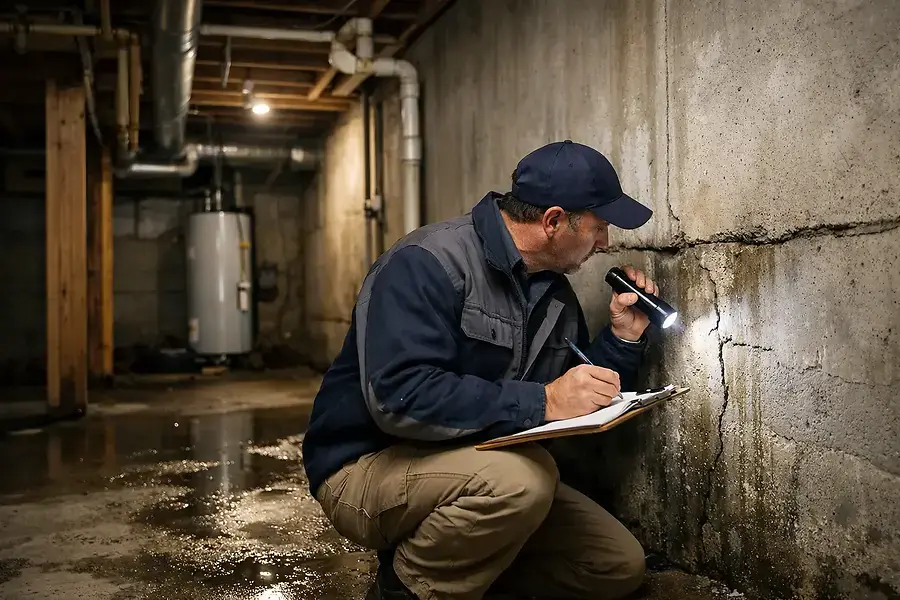
Foundation cracks are one of the first things professional inspectors look for. While some minor cracks are normal due to natural settling, larger or widening cracks can signal serious structural problems. Buyers are particularly concerned about horizontal cracks, which may indicate pressure issues, or cracks that continue across multiple areas of the foundation.
Water Damage and Moisture Intrusion
Basements and crawl spaces are vulnerable to water damage, which can lead to mold growth, wood rot, and structural deterioration. Signs of water damage include:
- Efflorescence (white, chalky deposits on foundation walls)
- Staining or discoloration
- Musty odors
- Visible mold or mildew
Buyers will be wary of homes with moisture issues, as remediation can be expensive and ongoing.
Bowing or Leaning Walls
When foundation walls bow inward or lean, it indicates structural stress. This is a red flag for buyers and can require expensive repairs or even foundation replacement in severe cases. Professional inspectors use specialized tools to measure wall deflection and assess the severity of the problem.
Uneven Floors and Gaps
If your home has sloping floors, gaps between walls and ceilings, or doors that don't close properly, these may be signs of foundation movement. Buyers will notice these issues immediately and will likely request a professional inspection to determine the cause and extent of the problem.
Poor Drainage and Grading
The area surrounding your foundation is just as important as the foundation itself. Improper grading that directs water toward your home can lead to chronic moisture problems. Buyers will assess whether your landscaping and drainage systems adequately protect the foundation.
How to Get a Professional Foundation Inspection and What to Expect
Finding a Qualified Inspector
Start by hiring a licensed, experienced foundation inspector or structural engineer. Look for professionals who are certified by organizations such as the American Society of Home Inspectors (ASHI) or the National Association of Home Inspectors (NAHI). Ask for references and verify their credentials before scheduling an inspection.
What the Inspection Includes
A comprehensive foundation inspection typically covers:
- Visual examination of the foundation's exterior and interior
- Assessment of cracks, settling, and structural movement
- Evaluation of moisture and water damage
- Review of drainage systems and grading
- Inspection of basement or crawl space conditions
- Measurement of wall deflection and floor levelness
- Recommendations for repairs or further evaluation
The inspector will provide a detailed report with photographs and recommendations, which you can share with potential buyers to demonstrate transparency.
Addressing Issues Before Listing
Once you have the inspection report, you have several options. For minor issues, you can make repairs before listing to eliminate buyer concerns. For more significant problems, you can disclose them upfront and adjust your asking price accordingly. Transparency about foundation issues is always better than surprises during a buyer's inspection.
Some sellers choose to offer a foundation warranty or credit toward repairs as part of the sale. This can be an attractive option for buyers and may help your home sell faster, even if it has minor foundation issues.
The Cost of Inspection
Foundation inspections typically cost between $300 and $800, depending on your home's size and complexity. This is a small investment compared to the potential cost of dealing with foundation problems discovered during a buyer's inspection, which could result in renegotiations, deal delays, or a failed sale.
Building Confidence in Your Home's Sale
A proactive foundation inspection is more than just a smart business decision—it's a statement of confidence in your home. By taking this step before listing, you're telling buyers that you stand behind your property and have nothing to hide. This transparency can lead to faster sales, fewer contingencies, and better final offers.
Remember: buyers are going to have the foundation inspected anyway. The question is whether you want to control the narrative by getting ahead of potential issues or let them discover problems during their own inspection.
In today's competitive real estate market, every advantage counts. A clean foundation inspection report can be the deciding factor that tips the scales in your favor. Don't let foundation concerns derail your home sale. Invest in a professional inspection, address any issues, and move forward with confidence knowing that your home's foundation is solid—both literally and in the eyes of your buyers.


