Wichita Property Taxes and Home Values: What Every Homeowner Should Know
Learn how property taxes influence your Wichita home's market value and long-term investment returns.

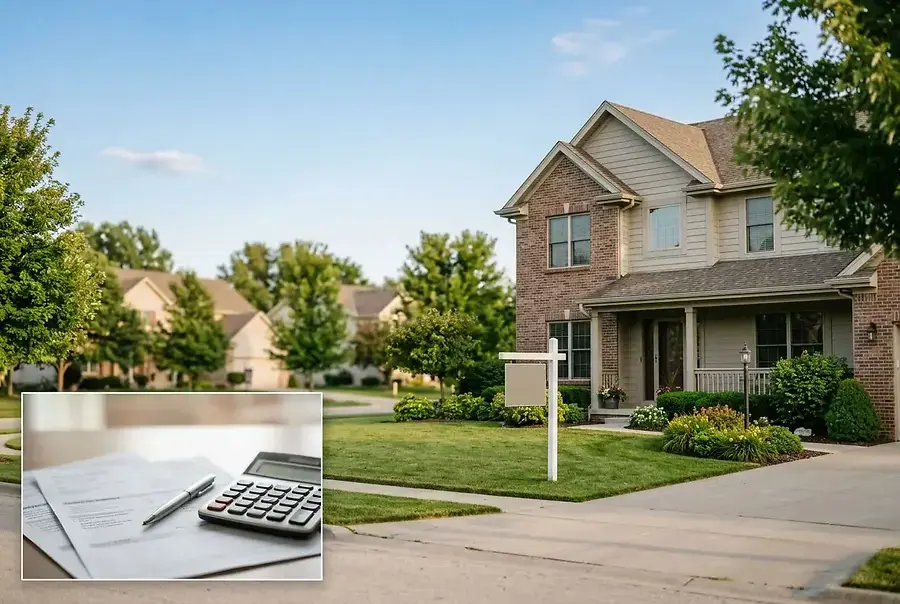
How Wichita Property Taxes Affect Your Bottom Line
Property taxes are one of the most significant ongoing expenses for homeowners in Wichita, Kansas. Unlike mortgage payments that eventually end, property taxes continue for as long as you own your home, making them a crucial factor in your overall financial planning. Understanding how these taxes work is essential for making informed decisions about your real estate investment.
In Wichita, property taxes are calculated based on the assessed value of your home multiplied by the local tax rate. The assessed value is typically a percentage of your home's market value, and this assessment is conducted by the county assessor's office. The effective property tax rate in Wichita averages around 0.65% to 0.75% of your home's assessed value annually, though this can vary depending on your specific location and local school district.
When you're evaluating whether to purchase a home in Wichita, it's critical to factor property taxes into your monthly housing costs. A home worth $250,000 could result in annual property tax bills ranging from $1,625 to $1,875, which translates to approximately $135 to $156 per month. Over a 30-year mortgage period, these taxes can significantly impact your total cost of homeownership.
The Impact on Home Appreciation
Property taxes can influence your home's market value in several ways. Higher property taxes may reduce buyer demand in certain areas, potentially slowing appreciation rates. Conversely, neighborhoods with lower tax rates often attract more buyers, which can drive up property values more quickly. This relationship between taxes and home values creates an important dynamic that savvy investors must consider.
Additionally, property taxes fund essential services like schools, infrastructure, and emergency services. Areas with higher tax rates often have better-funded schools and well-maintained public amenities, which can actually increase property values despite the higher tax burden. This creates a paradox where higher taxes might correlate with stronger home appreciation in some neighborhoods.
Comparing Tax Rates Across Wichita Neighborhoods
Wichita is a diverse city with significant variation in property tax rates across different neighborhoods and school districts. Understanding these differences can help you choose a location that aligns with your financial goals and lifestyle preferences.
High-Value Neighborhoods
Neighborhoods like Eastborough and Maize tend to have higher assessed property values, which can result in larger annual tax bills despite similar tax rates. However, these areas often experience stronger property appreciation, potentially offsetting the higher tax burden over time. Homes in these communities typically appreciate at rates that exceed the state average.
Emerging Neighborhoods
Up-and-coming areas on Wichita's outskirts may offer lower property values and consequently lower tax bills. These neighborhoods can present excellent opportunities for investors seeking long-term appreciation potential. As infrastructure develops and amenities improve, property values in these areas often increase substantially, providing strong returns despite modest initial tax obligations.
Central Wichita Districts
Central neighborhoods offer a middle ground, with moderate property values and tax rates. These areas often provide good walkability, established amenities, and stable property values. The tax burden is typically reasonable while still supporting quality schools and services.
Strategies to Maximize Home Value Despite Tax Considerations
While you cannot eliminate property taxes, there are several strategies to maximize your home's value and investment returns in Wichita.
Strategic Home Improvements
- Focus on improvements that increase functionality and curb appeal
- Prioritize kitchen and bathroom upgrades, which offer strong return on investment
- Invest in energy-efficient upgrades that reduce utility costs and attract eco-conscious buyers
- Maintain your property to prevent value depreciation
Location Selection
Choose neighborhoods where property appreciation rates outpace tax increases. Research historical appreciation trends and compare them against tax rate changes. Areas with strong job growth, good schools, and planned development often provide the best long-term value, even if current tax rates are slightly higher.
Tax Exemptions and Deductions
Wichita homeowners may qualify for various tax exemptions and deductions. Homestead exemptions can reduce your assessed value, lowering your annual tax bill. Additionally, mortgage interest and property taxes are often deductible on federal income tax returns, providing indirect tax relief. Consult with a tax professional to ensure you're taking advantage of all available benefits.
Timing Your Purchase
Consider purchasing during market downturns when property values are lower. This reduces your assessed value and subsequent tax obligations. As the market recovers, your property appreciates while your tax burden remains based on the lower purchase price—at least until the next assessment cycle.
Monitor Assessment Values
Review your property assessment regularly. If you believe your home has been overvalued, you can file an appeal with the county assessor's office. Successful appeals can result in lower assessed values and reduced tax bills, directly improving your investment returns.
Conclusion: Making Informed Decisions as a Wichita Homeowner
Property taxes are an unavoidable aspect of homeownership in Wichita, but they don't have to derail your investment goals. By understanding how taxes are calculated, comparing rates across neighborhoods, and implementing strategic improvements, you can maximize your home's value and long-term returns.
The key is to view property taxes not as a standalone expense, but as part of the broader equation that determines your home's value and appreciation potential. Neighborhoods with higher taxes often provide better services and amenities, which can drive stronger property appreciation. Conversely, lower-tax areas may offer entry points for value investors.
Before making any real estate decision in Wichita, take time to research property tax rates, historical appreciation trends, and neighborhood development plans. Consider consulting with a real estate professional or financial advisor who understands the local market. With careful planning and informed decision-making, you can build substantial wealth through real estate investment while managing your tax obligations effectively.


