Willamette Valley Neighborhoods: Finding Your Ideal Community
Discover which Mid-Willamette Valley towns align with your lifestyle and investment goals.

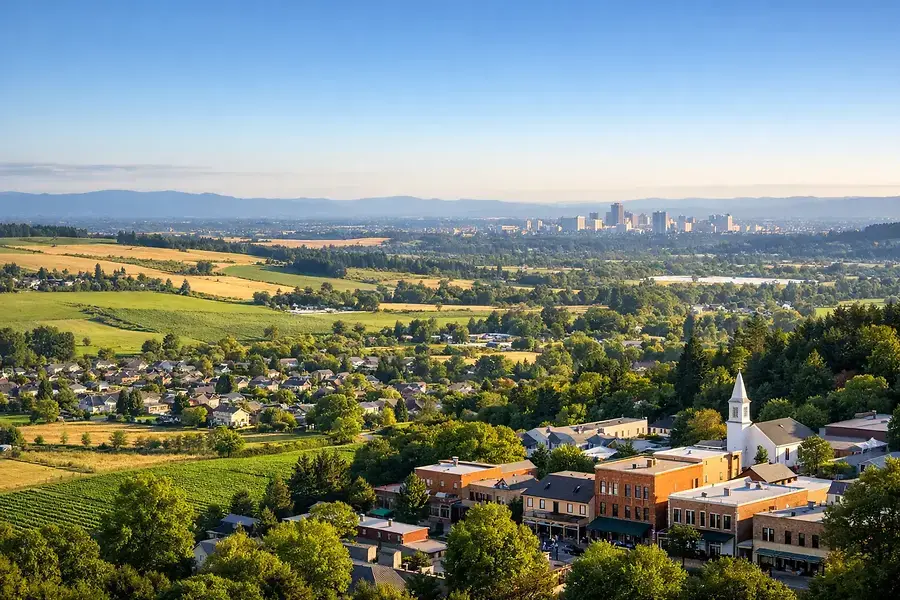
Understanding Willamette Valley's Diverse Communities
The Willamette Valley stands as one of the Pacific Northwest's most desirable regions for families and investors alike. Stretching across mid-Oregon, this fertile landscape offers far more than agricultural heritage—it presents a rich tapestry of neighborhoods, each with distinct characteristics and opportunities. Whether you're seeking the tranquility of rural living, the vibrancy of established suburbs, or the energy of urban centers, the Willamette Valley delivers options that cater to virtually every lifestyle preference.
Understanding the valley's diverse communities requires looking beyond surface-level attractions. Each neighborhood tells a unique story shaped by its history, demographics, economic development, and community values. For families considering relocation or investors evaluating opportunities, this comprehensive exploration will help clarify which communities align with your specific needs and aspirations.
Exploring Neighborhood Characters: From Rural Charm to Urban Convenience
Rural and Semi-Rural Communities
The outer reaches of the Willamette Valley maintain the region's agricultural roots while increasingly attracting those seeking space and serenity. These communities offer:
- Larger properties with room for gardens, hobby farms, and outdoor pursuits
- Lower population density creating a peaceful, close-knit atmosphere
- Strong community traditions centered around local events and seasonal celebrations
- More affordable entry points for first-time homebuyers and investors
However, rural living requires consideration of longer commutes, limited public services, and fewer entertainment options within immediate proximity. These trade-offs appeal to those prioritizing space and natural surroundings over urban convenience.
Established Suburban Communities
Mid-valley suburbs represent the sweet spot for many families, offering a balanced lifestyle. These neighborhoods typically feature:
- Well-developed infrastructure with established schools and municipal services
- Diverse housing options ranging from modest homes to upscale properties
- Community amenities including parks, recreation centers, and local shopping districts
- Reasonable commute times to employment centers and urban attractions
Suburban communities have experienced steady appreciation and offer stability for long-term investment. They attract families seeking quality schools and safe neighborhoods without sacrificing access to broader regional opportunities.
Urban Core Neighborhoods
The valley's urban centers pulse with activity and cultural richness. These vibrant communities offer:
- Walkable downtown districts with restaurants, galleries, and entertainment venues
- Public transportation options reducing reliance on personal vehicles
- Diverse housing types including apartments, condos, and townhomes
- Cultural institutions and community events throughout the year
Urban neighborhoods attract young professionals, empty nesters, and those prioritizing cultural engagement. While property values tend to be higher, the lifestyle benefits and walkability appeal to specific demographics seeking vibrant community experiences.
Key Factors: Schools, Amenities, and Long-Term Growth Potential
Educational Excellence and School Districts
For families with children, school quality often determines neighborhood selection. The Willamette Valley hosts several highly-regarded school districts with strong academic records, comprehensive programs, and engaged parent communities. Research specific schools within your target neighborhoods, examining:
- Standardized test performance and graduation rates
- Special programs including advanced placement, STEM, and arts offerings
- Extracurricular activities and sports programs
- School community involvement and parent engagement levels
Pro tip: Visit schools during regular hours, speak with current parents, and attend school board meetings to gain authentic insights into educational quality and community values.
Amenities and Quality of Life
Beyond schools, neighborhood amenities significantly impact daily living satisfaction. Consider proximity to:
- Healthcare facilities including hospitals, clinics, and specialty services
- Recreation areas such as parks, trails, and sports facilities
- Shopping and dining options from grocery stores to restaurants
- Cultural venues including libraries, museums, and performance spaces
- Fitness and wellness centers supporting active lifestyles
The best neighborhoods balance convenience with character. Walk or drive through potential communities during different times of day to experience the authentic neighborhood atmosphere and identify amenities that matter most to your family.
Long-Term Growth Potential and Investment Considerations
Smart real estate decisions consider future growth trajectories. Evaluate neighborhoods by examining:
- Development plans and infrastructure improvements in progress or planned
- Employment growth in the region and major employers' expansion plans
- Population trends indicating whether communities are growing, stable, or declining
- Property value appreciation over recent years and projected future growth
- Community investment in schools, parks, and public spaces
Communities experiencing strategic investment in infrastructure and amenities typically demonstrate stronger long-term appreciation. However, rapid growth can also bring increased traffic, crowding, and changing community character—factors some residents view negatively.
Lifestyle Alignment and Community Values
Beyond statistics, successful neighborhood selection requires honest assessment of lifestyle preferences. Ask yourself:
- Do I prefer quiet, peaceful surroundings or vibrant, active communities?
- How important is walkability versus having a car-dependent lifestyle?
- What role do cultural events, dining, and entertainment play in my life?
- Do I value community involvement and neighborhood social connections?
- What's my tolerance for growth, change, and increased density?
The "best" neighborhood isn't determined by rankings or popularity—it's the community that aligns with your authentic lifestyle preferences and values.
Matching Your Family's Needs to the Perfect Willamette Valley Location
Selecting a Willamette Valley neighborhood requires balancing multiple factors: financial considerations, educational needs, lifestyle preferences, and investment potential. Start by clarifying your non-negotiables—the factors that absolutely must be present in your ideal community.
Next, research thoroughly using online resources, local real estate professionals, and community websites. But most importantly, visit in person. Spend time in neighborhoods during different seasons and times of day. Talk with residents, visit local businesses, and experience the community atmosphere firsthand.
The Willamette Valley's diversity ensures that whether you're drawn to rural tranquility, suburban stability, or urban vibrancy, an ideal community awaits. By thoughtfully evaluating schools, amenities, growth potential, and lifestyle alignment, you'll discover the neighborhood that transforms a house into a home and an investment into a thriving community connection.
Your perfect Willamette Valley neighborhood isn't just a place to live—it's the foundation for your family's next chapter.


