Willamette Valley Neighborhoods: Finding Your Perfect Residential Match
Explore the distinct character, amenities, and lifestyle opportunities across 21 communities from Albany to Newport.

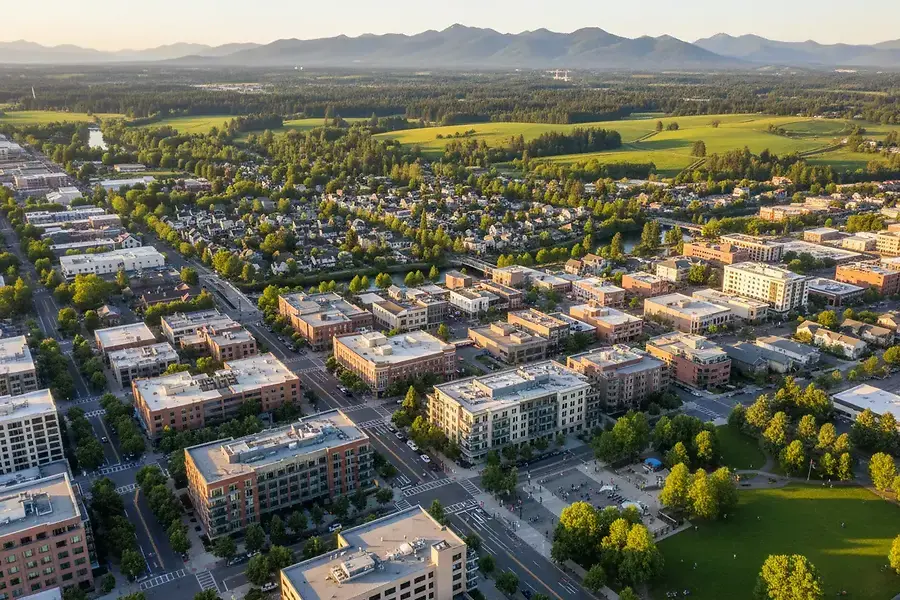
Understanding the Willamette Valley's Residential Diversity
The Willamette Valley stretches across Oregon's heart, offering an exceptional range of residential communities that cater to virtually every lifestyle preference. From the bustling urban centers of Salem and Eugene to the peaceful small towns dotting the landscape, this region presents homebuyers and renters with remarkable diversity. Whether you're seeking vibrant cultural experiences, excellent schools, outdoor recreation, or a tight-knit community atmosphere, the Willamette Valley delivers options that few regions can match.
With over 21 distinct communities spanning from Albany in the north to Newport on the coast, the valley represents a unique blend of economic opportunity, natural beauty, and community character. Understanding what each neighborhood offers is essential for making an informed decision about where to plant your roots.
Comparing Neighborhoods: Urban Centers vs. Small-Town Charm
Urban Centers: Energy and Opportunity
Salem and Eugene serve as the valley's primary urban hubs, offering residents the advantages of larger metropolitan areas. These cities feature:
- Diverse job markets across healthcare, technology, education, and government sectors
- Cultural amenities including theaters, museums, restaurants, and entertainment venues
- Public transportation options that reduce reliance on personal vehicles
- Walkable neighborhoods with mixed-use developments and urban parks
- Higher density housing options including apartments, condos, and townhomes
Urban living in the Willamette Valley provides career advancement opportunities and access to specialized services, while maintaining a more relaxed pace compared to major metropolitan areas like Portland or Seattle.
Small-Town Communities: Character and Connection
Communities like Corvallis, Monmouth, and Silverton offer a distinctly different residential experience. These neighborhoods emphasize:
- Strong community bonds where neighbors know each other and participate in local events
- Lower cost of living compared to urban centers
- Excellent schools with smaller class sizes and personalized attention
- Access to nature with proximity to hiking, fishing, and outdoor recreation
- Local character with unique downtown areas and independent businesses
Small towns often provide families with a sense of belonging and security that appeals to those prioritizing community values over urban convenience.
Lifestyle Factors: Schools, Commute Times, and Community Amenities
Educational Excellence
School quality remains a primary consideration for families choosing where to live. The Willamette Valley boasts several highly-regarded school districts, with communities like Corvallis and Lake Oswego consistently ranking among Oregon's best. Research specific school ratings, teacher-to-student ratios, and specialized programs when evaluating neighborhoods for families with children.
Commute Considerations
Your daily commute significantly impacts quality of life. Consider these factors:
- Distance to your workplace or primary employment center
- Public transportation availability and reliability
- Traffic patterns during peak commute hours
- Cost of commuting (fuel, maintenance, or transit passes)
- Flexibility for remote work arrangements
Many valley residents enjoy reasonable commute times of 15-30 minutes, even from smaller towns, making the region attractive for those seeking work-life balance.
Community Amenities and Recreation
Beyond schools and commutes, evaluate what each neighborhood offers for daily living and recreation:
- Parks and trails for outdoor activities and exercise
- Shopping and dining options ranging from local boutiques to major retailers
- Healthcare facilities including hospitals and specialized medical services
- Recreation centers offering fitness, classes, and community programs
- Cultural events and seasonal festivals that build community connection
Making Your Move: How to Choose the Right Community for Your Family
Define Your Priorities
Begin by listing what matters most to your household. Create a ranking system for factors such as:
- Proximity to employment
- School quality and programs
- Housing affordability
- Community size and atmosphere
- Access to outdoor recreation
- Cultural and entertainment options
This exercise clarifies which neighborhoods align with your family's values and lifestyle goals.
Visit and Explore
Virtual research provides valuable information, but nothing replaces visiting neighborhoods in person. Spend time exploring different communities during various times of day and week. Visit local parks, walk downtown areas, grab coffee at local cafes, and observe the neighborhood atmosphere. Talk with residents about their experiences and what they appreciate about their community.
Evaluate Housing Market Conditions
Each neighborhood has distinct housing markets with varying price points, inventory levels, and market dynamics. Work with a local real estate professional who understands the nuances of different valley communities. They can provide insights into price trends, neighborhood development, and future growth potential.
Consider Long-Term Vision
Think beyond your immediate needs. Will this community support your family as it grows? Are there opportunities for career advancement? Does the neighborhood align with your long-term lifestyle aspirations? Choosing a home is not just about today—it's about building your future.
The Willamette Valley's 21 communities offer something for everyone. Whether you're drawn to urban energy, small-town warmth, or something in between, taking time to understand each neighborhood's unique character ensures you'll find your perfect residential match. Your ideal community awaits somewhere in this beautiful valley.