Willamette Valley Property Investment: Market Analysis Across 21 Communities
Discover which residential markets in Oregon's Mid-Willamette Valley offer the best value and growth potential for your next investment.

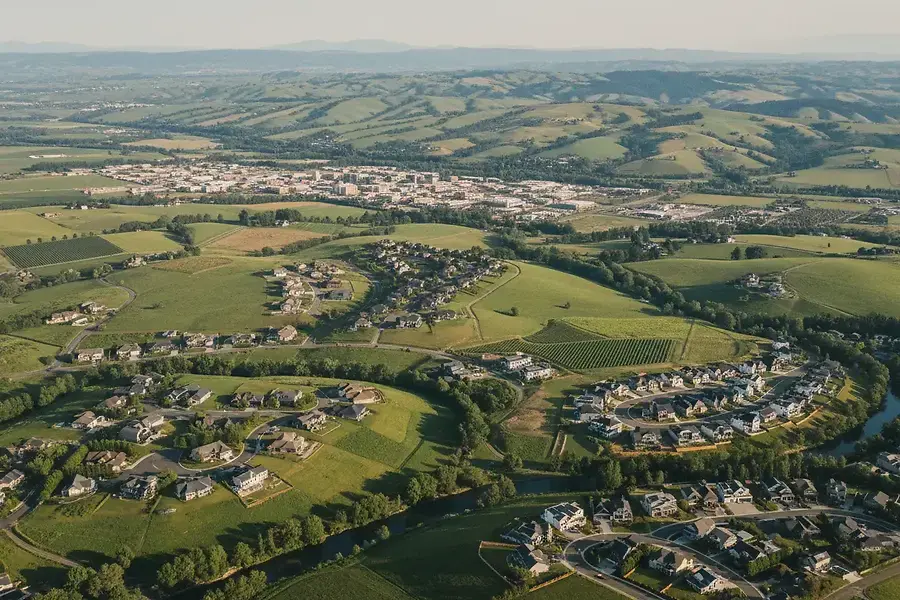
Introduction: Understanding the Willamette Valley Real Estate Landscape
The Willamette Valley has emerged as one of Oregon's most dynamic real estate markets, attracting investors seeking both stability and growth potential. Spanning from Portland's southern suburbs to the communities near Eugene, this fertile region offers diverse investment opportunities across 21 distinct communities. Whether you're a seasoned real estate investor or exploring your first property purchase, understanding the nuances of this market is essential for making informed decisions.
The valley's appeal lies in its unique combination of factors: strong population growth, affordable pricing compared to Portland proper, excellent schools, and a thriving job market. Communities throughout the region have experienced steady appreciation, making this an ideal time to evaluate investment opportunities before prices climb further.
Market Performance Across Key Communities: From Albany to Sutherlin
Northern Valley Markets: Salem and Surrounding Areas
Salem, Oregon's capital, continues to demonstrate resilience and steady growth. The city benefits from government employment stability and an expanding tech sector. Property values here remain reasonable, with single-family homes offering solid rental yields and appreciation potential. The surrounding communities of Keizer and Turner provide similar advantages with slightly lower price points, making them attractive for value-conscious investors.
Central Valley Opportunities: Corvallis and Marion County
Corvallis, home to Oregon State University, presents a unique investment landscape. The college town atmosphere ensures consistent rental demand from students and faculty, while the broader community attracts young professionals and families. Marion County communities like Keizer and Silverton offer more traditional residential markets with growing populations and improving infrastructure.
Mid-Valley Growth Corridors: Independence to Jefferson
The communities between Salem and Corvallis represent some of the valley's most undervalued markets. Independence, Monmouth, and Jefferson have experienced quiet but steady appreciation. These smaller towns offer:
- Lower entry prices for investment properties
- Growing populations seeking affordable alternatives to larger cities
- Improving amenities and infrastructure development
- Strong rental demand from working families
Southern Valley Markets: Eugene and Beyond
Eugene, the valley's second-largest city, offers a vibrant market driven by the University of Oregon and a thriving creative economy. Properties here command higher prices but offer excellent long-term appreciation potential. Surrounding communities like Springfield, Cottage Grove, and Sutherlin provide more affordable entry points while still benefiting from proximity to Eugene's economic engine.
Investment Opportunities: Identifying High-Potential Neighborhoods
Emerging Value Markets
The case for smaller communities: While Salem and Eugene attract most investor attention, the real opportunities often lie in emerging communities. Towns like Silverton, Aumsville, and Sublimity are experiencing population growth and infrastructure improvements without the price premiums of larger cities. Early investors in these markets often see the strongest returns as the communities mature.
Rental Market Dynamics
The Willamette Valley's rental market remains robust across all 21 communities. College towns like Corvallis and Eugene offer consistent student housing demand, while family-oriented communities attract working professionals seeking affordable housing. Key considerations for rental investors include:
- Occupancy rates: Consistently high across the valley, typically 90-95%
- Rental growth: Steady increases of 3-5% annually in most markets
- Property management: Abundant local services available throughout the region
- Tenant quality: Diverse mix of students, families, and professionals
Appreciation Potential and Market Trends
Several factors position the Willamette Valley for continued appreciation. The region's population continues to grow as people relocate from California and other high-cost states seeking affordable living. Remote work opportunities have expanded the appeal of valley communities, allowing workers to maintain high incomes while purchasing properties at fraction of coastal prices.
Infrastructure development represents another significant opportunity. Highway improvements, public transit expansions, and commercial development projects are enhancing connectivity and economic activity throughout the valley. Communities positioned along these development corridors often experience accelerated appreciation.
Diversification Strategies
Smart investors recognize that the Willamette Valley's strength lies in its diversity. Rather than concentrating investments in a single community, consider a portfolio approach:
- One property in a larger market (Salem or Eugene) for stability and appreciation
- One or two properties in emerging communities for higher growth potential
- Mixed residential types (single-family, multi-unit) to diversify income streams
- Geographic spread to reduce risk from localized economic disruptions
Timing and Market Entry
The current market environment presents favorable conditions for investors. While prices have appreciated from previous years, they remain reasonable compared to national averages and other Oregon markets. Interest rates and financing options continue to support investment activity, making this an opportune moment to establish or expand your valley portfolio.
The Willamette Valley offers a rare combination of affordability, growth potential, and stability—a trifecta that savvy investors recognize as increasingly rare in today's market.
Conclusion: Positioning Yourself for Success in the Valley Market
The Willamette Valley's 21 communities offer something for every investor profile. Whether you prioritize immediate cash flow through rental income, long-term appreciation, or a balanced approach, this region provides viable pathways to real estate success.
Success in the valley market requires understanding local dynamics, recognizing emerging opportunities, and maintaining a long-term perspective. The communities that appear overlooked today may become tomorrow's hottest markets as population growth and infrastructure development reshape the region.
Next steps: Begin by researching specific communities that align with your investment goals. Connect with local real estate professionals who understand neighborhood-specific dynamics. Visit properties in person to develop a feel for different markets. Most importantly, act decisively when you identify opportunities that match your criteria—the best investments in the Willamette Valley don't remain available for long.
The valley's future is bright, and the time to invest is now. Position yourself strategically across these 21 communities, and you'll be well-positioned to benefit from the region's continued growth and prosperity.


