Your Complete First-Time Home Buyer's Guide to the Twin Cities Suburbs
Navigate the homebuying process in Minnesota's most desirable neighborhoods with confidence and clarity.

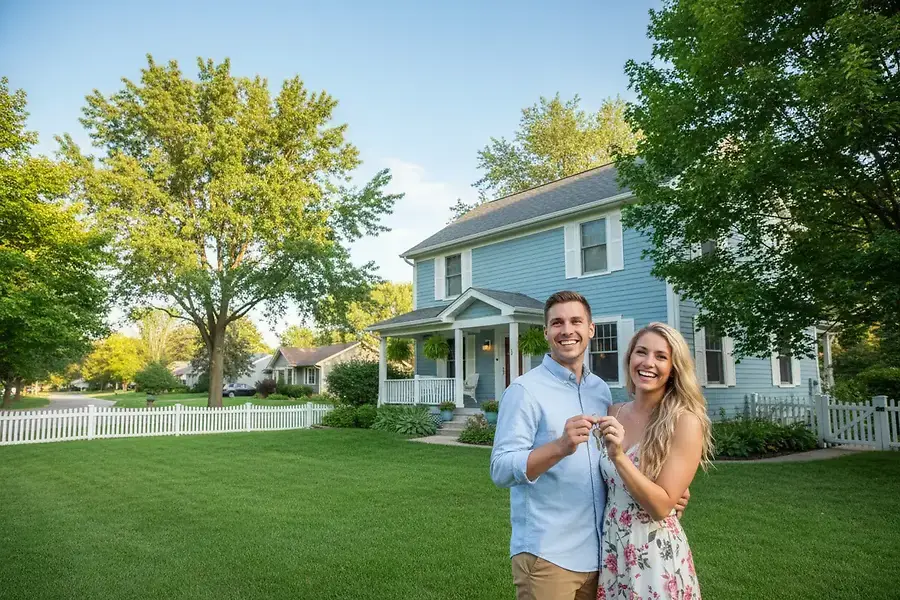
Understanding the Twin Cities Residential Market: Key Neighborhoods and Price Ranges
The Twin Cities suburbs offer diverse neighborhoods with varying price points and lifestyles, making it an ideal market for first-time buyers. Understanding the landscape is your first step toward making an informed decision.
Popular Neighborhoods for First-Time Buyers
The western suburbs, including Wayzata and Edina, are known for excellent schools and established communities, with median home prices ranging from $450,000 to $650,000. The southern suburbs like Bloomington and Richfield offer more affordable options, typically between $300,000 and $450,000, while still providing strong amenities and accessibility to downtown Minneapolis.
For those seeking emerging neighborhoods, areas like Coon Rapids and Maple Grove in the north provide excellent value with growing infrastructure and community development. The eastern suburbs near St. Paul, including Maplewood and Woodbury, balance affordability with proximity to employment centers.
Market Trends and Price Expectations
The Twin Cities market remains competitive, with inventory levels fluctuating seasonally. Spring and early summer typically see increased listings and buyer activity. Understanding current market conditions helps you set realistic expectations and negotiate effectively.
Price ranges vary significantly by neighborhood:
- Entry-level homes: $250,000 - $350,000
- Mid-range properties: $350,000 - $550,000
- Premium neighborhoods: $550,000+
Essential Steps for First-Time Buyers: Financing, Pre-Approval, and Making Offers
Getting Your Finances in Order
Before house hunting, assess your financial situation. Check your credit score, as lenders typically require a minimum of 620, though 740+ secures better rates. Review your debt-to-income ratio—lenders prefer this to be below 43%.
Determine how much you can afford to save for a down payment. While 20% is ideal to avoid private mortgage insurance (PMI), many first-time buyer programs allow 3-5% down. The Twin Cities area offers several state and local programs to assist first-time buyers.
Obtaining Pre-Approval
Pre-approval is crucial and demonstrates to sellers that you're a serious buyer. This process involves a lender reviewing your financial documents and determining your borrowing capacity. Pre-approval typically lasts 60-90 days and gives you a clear budget to work within.
Compare offers from multiple lenders—even small differences in interest rates can save thousands over the life of your loan. Consider working with a mortgage broker familiar with the Twin Cities market who can guide you through local lending options.
Making Competitive Offers
In the Twin Cities market, strong offers stand out. Beyond price, include:
- Proof of pre-approval with your offer
- A reasonable inspection contingency period (typically 10-15 days)
- Clear closing timeline expectations
- Personal letter to the seller explaining your interest in the home
Pro tip: Work with a local real estate agent who understands neighborhood dynamics and can help you position your offer competitively while protecting your interests.
What to Expect During Inspections, Appraisals, and the Closing Process
The Home Inspection
Once your offer is accepted, schedule a professional home inspection within your contingency period. The inspector examines structural integrity, electrical systems, plumbing, HVAC, and more. Attend the inspection to ask questions and understand any issues discovered.
Minnesota winters are harsh, so pay special attention to roof condition, insulation, and heating systems. Foundation cracks and water damage are common concerns in older Twin Cities homes.
The Appraisal Process
Your lender orders an appraisal to ensure the home's value supports the loan amount. The appraiser compares your property to recent sales of similar homes in the area. If the appraisal comes in lower than your offer price, you'll need to renegotiate or increase your down payment.
Closing: The Final Steps
Closing typically occurs 30-45 days after your offer acceptance. During this period:
- Your lender finalizes loan documents
- Title search confirms clear ownership
- Final walkthrough ensures agreed-upon repairs are complete
- You review and sign closing documents
- Funds transfer and you receive keys
Budget for closing costs, typically 2-5% of the purchase price, covering appraisal fees, title insurance, attorney fees, and other expenses. Many sellers contribute to closing costs through negotiation.
Local Resources and Next Steps for Your New Home in the Twin Cities
Helpful Organizations and Programs
Minnesota Housing Finance Agency offers down payment assistance and favorable loan terms for first-time buyers. Local nonprofits like Community Action Partnership provide homebuyer education classes and counseling services.
The Minneapolis and St. Paul Chambers of Commerce can connect you with local real estate professionals and community resources. Many suburbs also offer first-time buyer incentive programs—research your target neighborhood's offerings.
Moving Forward with Confidence
Buying your first home in the Twin Cities is an exciting milestone. Take your time, ask questions, and don't hesitate to seek professional guidance. A qualified real estate agent, mortgage lender, and home inspector form your essential team.
Start by exploring neighborhoods that match your lifestyle and budget. Attend open houses, talk to current residents, and envision your future in these communities. The Twin Cities suburbs offer something for everyone—from vibrant urban-adjacent neighborhoods to peaceful family-oriented communities.
Remember: buying a home is a marathon, not a sprint. Patience, preparation, and professional guidance will help you find the perfect property and navigate the process smoothly.


