Your Complete Guide to Buying a Home in Hampton Roads
Master the key stages of purchasing residential property across Chesapeake, Norfolk, Virginia Beach, and surrounding communities.

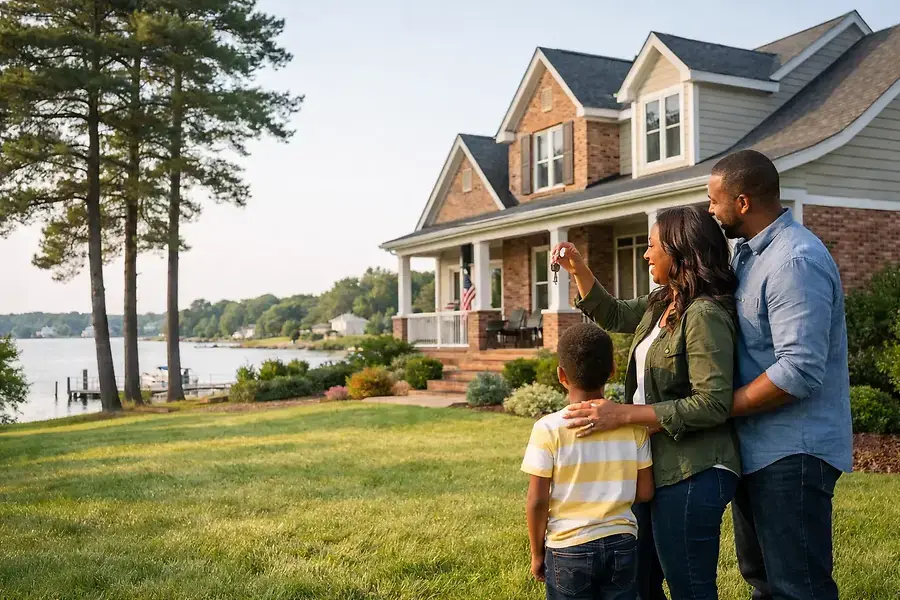
Understanding the Hampton Roads Real Estate Market Timeline
The Hampton Roads real estate market operates on a dynamic timeline influenced by seasonal trends, economic factors, and local community growth. Whether you're looking in Chesapeake, Norfolk, Virginia Beach, or surrounding areas, understanding market cycles is essential for strategic purchasing.
The spring and early summer months typically see increased inventory and buyer activity, while fall and winter often present less competition and potentially better negotiating positions. Hampton Roads experiences steady population growth due to military presence, naval operations, and expanding commercial sectors, which keeps the market relatively active year-round.
Market Conditions and Timing
Before diving into the buying process, research current market conditions in your target community. Buyer's markets favor purchasers with more inventory and lower prices, while seller's markets mean less inventory and higher competition. Hampton Roads communities vary—urban Norfolk neighborhoods may differ significantly from suburban Chesapeake developments or beachfront Virginia Beach properties.
Connect with local real estate professionals who understand neighborhood-specific trends. They can provide insights into price appreciation, average days on market, and community development plans that affect long-term property values.
Pre-Purchase Preparation: Getting Ready to Buy in Your Target Community
Successful home buying begins long before you find the perfect property. Proper preparation positions you as a competitive buyer and prevents costly mistakes down the road.
Financial Readiness
Start by assessing your financial situation:
- Check your credit score and address any issues before applying for a mortgage
- Save for a down payment—typically 3-20% of the purchase price
- Calculate your debt-to-income ratio to understand borrowing capacity
- Get pre-approved for a mortgage to strengthen your offer
- Budget for closing costs, usually 2-5% of the purchase price
Pre-approval is crucial. It demonstrates to sellers that you're a serious buyer with verified funds, giving you a significant advantage in competitive Hampton Roads neighborhoods.
Identifying Your Target Community
Hampton Roads offers diverse living options. Consider what matters most to your family:
- Chesapeake: Suburban charm with excellent schools and growing commercial areas
- Norfolk: Urban living with cultural attractions and waterfront access
- Virginia Beach: Beach lifestyle, military proximity, and family-friendly amenities
- Surrounding Communities: Williamsburg, Newport News, and Hampton offer unique character and affordability
Visit neighborhoods at different times of day. Walk the streets, check out local schools, parks, and shopping areas. Talk to residents about their experiences. This groundwork helps you make an informed decision aligned with your lifestyle.
Assembling Your Team
You'll need qualified professionals:
- A knowledgeable real estate agent familiar with your target community
- A mortgage lender or broker
- A home inspector
- A real estate attorney (recommended in Virginia)
- An insurance agent for homeowner's coverage
These professionals guide you through complex processes and protect your interests throughout the transaction.
The Active Buying Process: Offers, Inspections, and Closing
Once you've found a property that meets your needs, the active buying phase begins. This stage involves multiple steps requiring attention to detail and strategic decision-making.
Making an Offer
Your real estate agent will help you craft a competitive offer based on comparable sales, property condition, and market conditions. Include:
- Purchase price and earnest money deposit
- Proposed closing date
- Contingencies (inspection, appraisal, financing)
- Any requested repairs or credits
In competitive Hampton Roads markets, strong offers with fewer contingencies and quick closing timelines may be more attractive to sellers. However, always protect yourself with appropriate contingencies.
Home Inspection and Appraisal
Once your offer is accepted, schedule a professional home inspection within the contingency period. This is your opportunity to identify potential issues before committing to the purchase. The inspector examines structural integrity, systems, appliances, and safety concerns.
Simultaneously, your lender orders an appraisal to ensure the property value supports the loan amount. If the appraisal comes in low, you may need to renegotiate the price or increase your down payment.
Title Search and Insurance
A title company conducts a thorough search to ensure the seller has clear ownership and the property is free from liens or claims. Title insurance protects you against future ownership disputes. This step is essential for peace of mind and lender requirements.
Final Walkthrough and Closing
Before closing, conduct a final walkthrough to verify agreed-upon repairs are complete and the property condition matches your expectations. Review your Closing Disclosure document at least three days before closing—it details all loan terms and final costs.
At closing, you'll sign documents, transfer funds, and receive the keys to your new Hampton Roads home. Have your real estate attorney or agent review all documents to ensure accuracy.
Post-Purchase: Settlement and Moving Into Your New Hampton Roads Home
Congratulations on your purchase! The post-closing phase involves important tasks to ensure a smooth transition into homeownership.
Settlement and Title Transfer
After closing, the title company records the deed with the local courthouse, officially transferring ownership to you. Keep copies of all closing documents in a safe location—you'll need them for future refinancing, selling, or warranty claims.
Utility Setup and Home Maintenance
Contact utility companies to transfer or establish service for electricity, gas, water, and internet. Schedule any necessary repairs identified during inspection. Create a home maintenance calendar to track routine tasks like HVAC servicing, gutter cleaning, and seasonal inspections.
Community Integration
Get to know your new Hampton Roads community. Introduce yourself to neighbors, locate nearby schools and services, and explore local parks and recreation. Many communities have homeowner associations—understand their rules, fees, and governance.
Attend community events and join local groups to build connections and feel more at home in your new neighborhood.
Long-Term Planning
Review your homeowner's insurance policy to ensure adequate coverage. Consider establishing an emergency fund for unexpected repairs. If you have a mortgage, understand your loan terms and explore refinancing options as your financial situation evolves.
Buying a home in Hampton Roads is a significant investment and life decision. By understanding each stage of the process and preparing thoroughly, you'll navigate the journey with confidence and make choices that align with your goals and values.