Your Complete Guide to Buying Homes in Twin Cities Suburbs
Navigate pricing, neighborhoods, and investment potential across Carver, Savage, Prior Lake, and beyond.

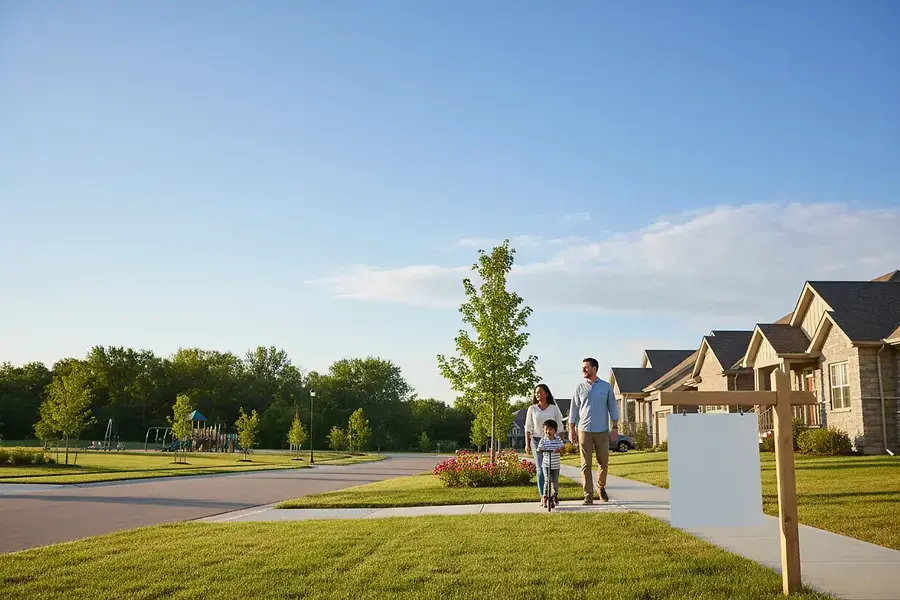
Understanding the Twin Cities Residential Market: Price Ranges and Trends Across 9 Key Suburbs
The Twin Cities suburban market has experienced significant growth and transformation in recent years. Whether you're a first-time homebuyer or an experienced investor, understanding the current landscape is essential for making informed decisions.
Market Overview and Price Trends
The greater Twin Cities area encompasses diverse communities with varying price points and market dynamics. Median home prices range from $350,000 to $550,000 depending on the suburb, with some premium neighborhoods commanding higher values. Key suburbs including Carver, Savage, Prior Lake, Bloomington, Edina, Wayzata, Minnetonka, Plymouth, and Coon Rapids each offer unique market characteristics.
The market has shown steady appreciation over the past several years, with inventory levels stabilizing after previous shortages. Buyers now have more options to choose from, though popular neighborhoods still experience competitive bidding situations.
Factors Influencing Suburban Home Values
- School District Quality: Top-rated schools significantly impact property values and buyer demand
- Proximity to Employment Centers: Distance to downtown Minneapolis and St. Paul affects commute times and desirability
- Infrastructure Development: New roads, transit options, and commercial development boost neighborhood appeal
- Community Amenities: Parks, recreation centers, and shopping districts enhance quality of life
- Property Taxes: Vary significantly between suburbs and affect long-term affordability
Neighborhood Profiles: What Each Community Offers Buyers and Investors
South Metro Communities: Carver, Savage, and Prior Lake
Carver offers a blend of rural charm and suburban convenience, with newer developments attracting families seeking space and affordability. Homes typically range from $400,000 to $500,000, making it an excellent choice for budget-conscious buyers.
Savage has emerged as a growth hub with excellent schools and modern infrastructure. The community appeals to young families and professionals, with median prices around $450,000 to $550,000. The downtown revitalization efforts have increased commercial activity and neighborhood vibrancy.
Prior Lake combines waterfront living with suburban amenities. Lakefront properties command premium prices, while inland homes offer better value. This community attracts both primary residents and vacation home investors.
West and Southwest Metro Communities
Bloomington remains one of the largest and most established suburbs, offering diverse neighborhoods and strong schools. Prices range widely from $350,000 to $600,000 depending on location and property type.
Edina and Wayzata represent premium suburban living with excellent schools, upscale amenities, and strong property values. These communities attract affluent buyers and command higher price points, typically $500,000 and above.
Minnetonka offers a balanced lifestyle with beautiful lakes, parks, and family-friendly neighborhoods. The community appeals to diverse buyer demographics with homes ranging from $400,000 to $650,000.
North and Northwest Communities
Plymouth and Coon Rapids provide excellent value with strong community development and growing amenities. These northern suburbs offer more affordable entry points while maintaining quality schools and recreational opportunities.
Essential Steps to Purchasing Your Home: From Pre-Approval to Closing in Minnesota
Step 1: Get Pre-Approved for a Mortgage
Before beginning your home search, obtain a mortgage pre-approval letter from a lender. This demonstrates to sellers that you're a serious buyer and clarifies your budget. Pre-approval typically takes 3-5 business days and requires documentation of income, assets, and credit history.
Step 2: Find a Qualified Real Estate Agent
Partner with an agent experienced in your target suburb. They'll provide market insights, schedule showings, and guide you through negotiations. A good agent understands local market conditions and can identify properties with strong investment potential.
Step 3: Search and View Properties
Use online listings, attend open houses, and request private showings. Take time to explore neighborhoods, visit schools, and assess commute times. Don't rush this process—finding the right home requires patience and thorough evaluation.
Step 4: Make an Offer
When you find the right property, submit a competitive offer. In Minnesota, offers typically include:
- Purchase price and earnest money deposit
- Financing contingencies and timeline
- Home inspection and appraisal contingencies
- Closing date and possession terms
Step 5: Complete Home Inspection and Appraisal
Hire a professional home inspector to identify any structural or mechanical issues. Simultaneously, the lender will order an appraisal to ensure the property value supports the loan amount. These steps typically take 7-10 days.
Step 6: Finalize Financing and Title Work
Work with your lender to finalize loan documents. A title company will conduct a search to ensure clear ownership and handle title insurance. This phase typically takes 5-7 business days.
Step 7: Final Walkthrough and Closing
Conduct a final walkthrough 24 hours before closing to verify agreed-upon repairs and that the property is in expected condition. At closing, you'll sign final documents, transfer funds, and receive keys to your new home.
Why Now Is the Right Time to Buy in the Greater Twin Cities Area
Market Conditions Favor Buyers
The current market offers more inventory and negotiating power compared to previous years. While prices remain strong, buyers have genuine choices and can be selective about properties and terms.
Interest Rates and Affordability
Mortgage rates have stabilized, making long-term financial planning more predictable. Lock in your rate now and build equity in a growing market. The Twin Cities continues to attract residents and businesses, supporting long-term property value appreciation.
Investment Potential
Suburban communities are experiencing infrastructure improvements, new commercial development, and population growth. Smart investors recognize these trends and position themselves for long-term gains. Rental demand remains strong in popular suburbs, making investment properties attractive.
Quality of Life Benefits
The Twin Cities suburbs offer exceptional schools, outdoor recreation, cultural amenities, and strong communities—making them ideal for families and professionals seeking balanced lifestyles.
Whether you're buying your first home, upgrading to a larger property, or investing in rental real estate, the Twin Cities suburbs present compelling opportunities. Take time to research communities, understand market conditions, and work with experienced professionals to make the best decision for your situation.


