Your Complete Guide to Buying Residential Lots in Central Texas
Master the essentials of purchasing residential land in Austin, Pflugerville, Cedar Park, and surrounding areas to build your ideal home.

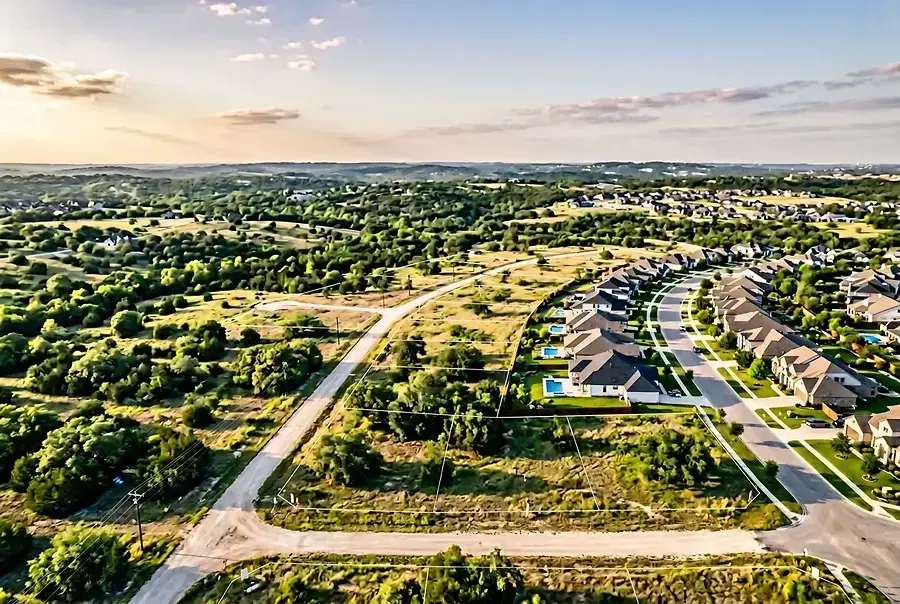
Understanding Residential Lot Options Across Central Texas Markets
The Central Texas real estate market offers diverse opportunities for homebuyers seeking to purchase vacant land. Whether you're interested in urban lots within Austin's city limits or suburban properties in Pflugerville and Cedar Park, understanding your options is the first step toward making an informed decision.
Urban vs. Suburban Lot Characteristics
Austin's urban residential lots typically range from 0.25 to 0.5 acres and command premium prices due to proximity to downtown amenities, employment centers, and established infrastructure. These properties often feature smaller footprints but offer walkability and convenience.
Suburban lots in Pflugerville and Cedar Park generally provide more acreage—often 0.5 to 2 acres—at more moderate price points. These areas attract families seeking space, newer developments, and growing community amenities while maintaining reasonable commute times to Austin.
Emerging Growth Areas
Consider exploring emerging neighborhoods in Round Rock, Leander, and Bee Cave. These areas are experiencing significant growth and may offer better value for buyers willing to invest in developing communities with strong future appreciation potential.
Key Factors to Evaluate Before Purchasing Vacant Land
Zoning and Land Use Regulations
Before committing to any residential lot, thoroughly investigate local zoning ordinances. Verify that the property is zoned for single-family residential use and confirm any restrictions on:
- Minimum lot sizes and setback requirements
- Maximum building heights and square footage limitations
- Homeowners association (HOA) rules and fees
- Future development plans that might affect your property
Utilities and Infrastructure
Essential utilities must be available or feasible to install. Verify access to:
- Municipal water and sewer systems
- Electrical and natural gas connections
- Broadband internet availability
- Road access and drainage infrastructure
Properties requiring well water or septic systems may involve additional costs and ongoing maintenance considerations.
Environmental and Geological Factors
Central Texas properties may be affected by environmental considerations including flood zones, soil composition, and groundwater levels. Always obtain a professional survey and environmental assessment to identify potential issues that could impact construction costs or property value.
Location and Accessibility
Evaluate proximity to schools, employment centers, shopping, and healthcare facilities. Consider traffic patterns and commute times during peak hours. Properties near major thoroughfares like I-35 or US-183 may offer convenience but could involve noise considerations.
Financing and Legal Considerations for Residential Land Purchases
Land Financing Options
Financing vacant land differs significantly from purchasing improved property. Traditional mortgage lenders often require:
- Larger down payments (25-50% of purchase price)
- Higher interest rates than conventional mortgages
- Shorter loan terms (5-10 years)
- Proof of development plans or builder commitments
Alternative financing sources include portfolio lenders, credit unions, and seller financing arrangements, which may offer more flexible terms for qualified buyers.
Title and Legal Review
Engage a qualified real estate attorney to conduct a thorough title search and review all legal documents. This process should identify:
- Clear ownership and any liens or encumbrances
- Easements that might restrict land use
- Mineral rights and water rights issues
- Boundary disputes or survey discrepancies
Property Taxes and Assessments
Understand the current property tax assessment and potential increases after development. Texas offers agricultural exemptions for qualifying properties, but residential lots typically don't qualify. Request a tax assessment history and project future obligations based on comparable properties in the area.
Insurance and Liability
Obtain property insurance quotes before purchase. Vacant land insurance typically costs less than improved property but is essential for protecting your investment against liability claims and natural disasters.
Making Your Final Decision: From Selection to Closing
Conducting Due Diligence
Before making an offer, invest time in thorough research. Visit the property multiple times at different times of day and seasons. Speak with neighbors about the community, future development plans, and any concerns. Request information about planned infrastructure improvements that might affect property values.
Working with Real Estate Professionals
Assemble your team carefully: A knowledgeable real estate agent familiar with Central Texas land markets, a qualified lender experienced with land financing, and a competent real estate attorney are invaluable. These professionals help navigate complex transactions and protect your interests.
Making Your Offer
Structure your offer strategically with appropriate contingencies for:
- Satisfactory survey and environmental assessment
- Financing approval
- Title review and clearance
- Verification of utilities and infrastructure
These contingencies protect you from unforeseen issues that could affect your decision or increase costs.
The Closing Process
The closing process for land purchases typically takes 30-45 days. During this period, ensure all contingencies are satisfied, final inspections are completed, and title insurance is obtained. Review all closing documents carefully and confirm that property boundaries, easements, and restrictions match your understanding.
Purchasing residential land is a significant investment that requires patience, research, and professional guidance. Taking time to evaluate all factors thoroughly ensures you make a decision aligned with your long-term goals and financial situation.
Next Steps After Closing
Once you own your residential lot, begin planning your home construction timeline. Consult with builders, architects, and contractors to understand development costs and timelines. Review local building codes and permit requirements to ensure your vision aligns with regulatory requirements.
The Central Texas market offers excellent opportunities for buyers seeking to build their ideal home on residential land. By understanding market options, evaluating key factors, navigating financing and legal considerations, and making informed decisions, you can successfully purchase the perfect lot to build your dream home.


