Your Complete Guide to Buying Residential Lots in Central Texas
Master the essential steps to finding and purchasing the perfect residential land in Austin, Pflugerville, Leander, and surrounding areas.

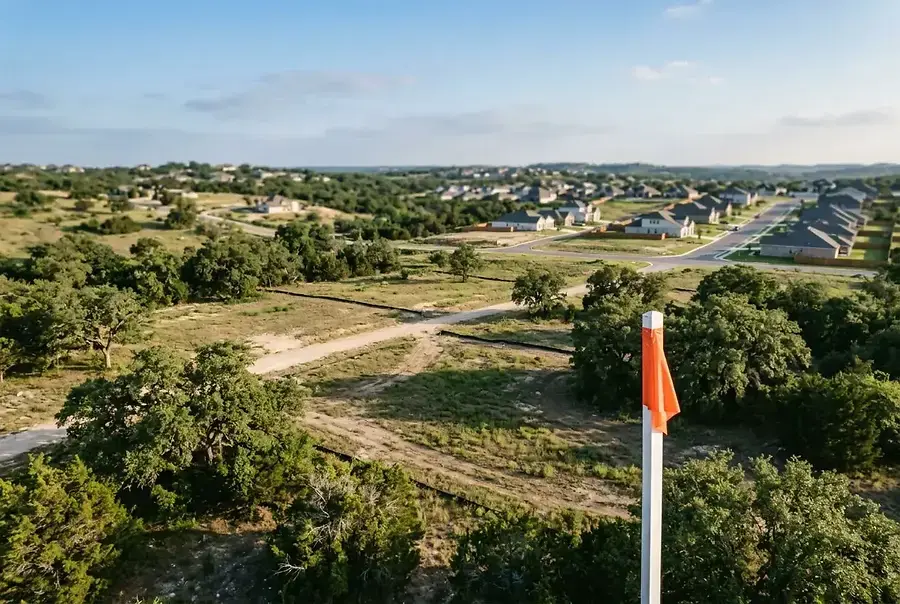
Understanding Residential Lot Investment in Central Texas
Central Texas has become one of the most sought-after regions for residential land investment, with Austin, Pflugerville, Leander, and surrounding communities experiencing significant growth. Whether you're a first-time buyer or an experienced investor, understanding the fundamentals of lot purchasing is essential to making a sound financial decision.
The Central Texas real estate market offers unique opportunities due to the region's booming economy, population growth, and quality of life. Residential lots in this area provide investors with the potential for appreciation and the flexibility to build custom homes tailored to their vision. Before diving into the market, it's crucial to understand why this region has become so attractive to buyers and developers alike.
Why Central Texas Stands Out
Central Texas continues to attract residents and investors due to several compelling factors:
- Economic Growth: The region hosts major tech companies, healthcare facilities, and diverse business sectors that drive employment opportunities.
- Population Expansion: Steady population growth ensures sustained demand for residential properties and land.
- Quality of Life: Excellent schools, outdoor recreation, and cultural amenities make the area highly desirable.
- Strategic Location: Proximity to major highways and urban centers provides convenient access without sacrificing suburban charm.
Key Factors to Evaluate When Selecting Your Ideal Lot
Selecting the right residential lot requires careful consideration of multiple factors. Taking time to evaluate these elements will help you make an informed decision that aligns with your goals and budget.
Location and Accessibility
Location is paramount when purchasing residential land. Consider proximity to schools, shopping centers, healthcare facilities, and employment hubs. Evaluate commute times to your workplace and assess the neighborhood's development trajectory. A lot in an emerging area may offer better appreciation potential, while established neighborhoods provide stability and existing infrastructure.
Lot Size and Topography
The physical characteristics of your lot significantly impact construction costs and future value. Evaluate the lot size to ensure it meets your building plans and local zoning requirements. Assess the topography—flat lots are generally easier and less expensive to develop, while sloped terrain may require additional grading and drainage solutions. Always request a survey and soil report to understand the land's composition and any potential challenges.
Zoning and Regulations
Understanding local zoning laws is critical before purchasing. Verify that the lot's zoning designation aligns with your intended use. Research setback requirements, maximum building heights, and any homeowners association (HOA) restrictions. Contact the local planning department to confirm that your building plans comply with current regulations and future development plans for the area.
Utilities and Infrastructure
Confirm that essential utilities—water, sewer, electricity, and natural gas—are available or can be reasonably extended to your lot. The cost of bringing utilities to undeveloped land can be substantial, so obtain detailed estimates from utility providers. Additionally, verify that adequate road access exists and that future infrastructure improvements are planned for the area.
Environmental Considerations
Environmental factors can significantly affect your lot's usability and value. Research flood zones, wetlands, and protected habitats on or near your property. Obtain an environmental assessment to identify any contamination or hazardous materials. Understanding these factors upfront prevents costly surprises and ensures your investment is sound.
Navigating the Purchase Process and Financing Options
Once you've identified your ideal lot, understanding the purchase process and exploring financing options will help you move forward confidently.
Making an Offer and Due Diligence
Work with a qualified real estate agent experienced in land transactions to make a competitive offer. Include contingencies for inspections, surveys, and environmental assessments. Due diligence is essential—spend time reviewing all documentation, including property records, title reports, and any existing liens or easements. A title search ensures the seller has clear ownership and the right to sell the property.
Financing Your Residential Lot
Financing options for raw land differ from traditional home mortgages. Explore these common approaches:
- Land Loans: Specialized lenders offer land loans with terms typically ranging from 5 to 20 years. These loans usually require larger down payments (20-50%) and higher interest rates than conventional mortgages.
- Construction Loans: If you plan to build immediately, construction loans may be available, allowing funds to be disbursed as construction progresses.
- Cash Purchase: Paying cash eliminates financing costs and strengthens your negotiating position.
- Owner Financing: Some sellers offer financing directly, which may provide more flexible terms than traditional lenders.
Closing and Legal Considerations
Hire a real estate attorney to review contracts and ensure all legal requirements are met. The closing process involves title transfer, deed recording, and payment of closing costs. Ensure all inspections are complete, contingencies are satisfied, and title insurance is obtained. Your attorney will guide you through these final steps to ensure a smooth transaction.
Building Your Future: Next Steps After Acquiring Your Residential Land
Congratulations on acquiring your residential lot! Now it's time to plan your next steps strategically.
Developing Your Building Plan
Work with architects and builders to create a design that maximizes your lot's potential while complying with local regulations. Consider factors such as natural light, drainage, and future resale appeal. Obtain all necessary permits before construction begins, and maintain open communication with your builder throughout the process.
Timeline and Budget Considerations
Develop a realistic timeline and budget for your project. Factor in construction costs, permits, utilities, landscaping, and contingencies. Building costs can fluctuate, so maintain a financial cushion for unexpected expenses. Regular communication with your contractor ensures the project stays on schedule and within budget.
Long-Term Investment Strategy
Consider your long-term goals for the property. Are you building a primary residence, investment property, or speculative land holding? Your strategy will influence decisions regarding construction timing, design choices, and future marketing. Monitor market trends and neighborhood development to maximize your investment's potential.
Purchasing residential land in Central Texas is an exciting opportunity to build your dream home or create a valuable investment. By understanding the market, carefully evaluating properties, navigating the purchase process thoughtfully, and planning strategically for the future, you'll be well-positioned to make a successful decision that aligns with your goals and financial objectives.