Your Complete Guide to Buying Waterfront Homes on Connecticut Shoreline
Essential tips for navigating the unique challenges and opportunities of coastal real estate purchases.

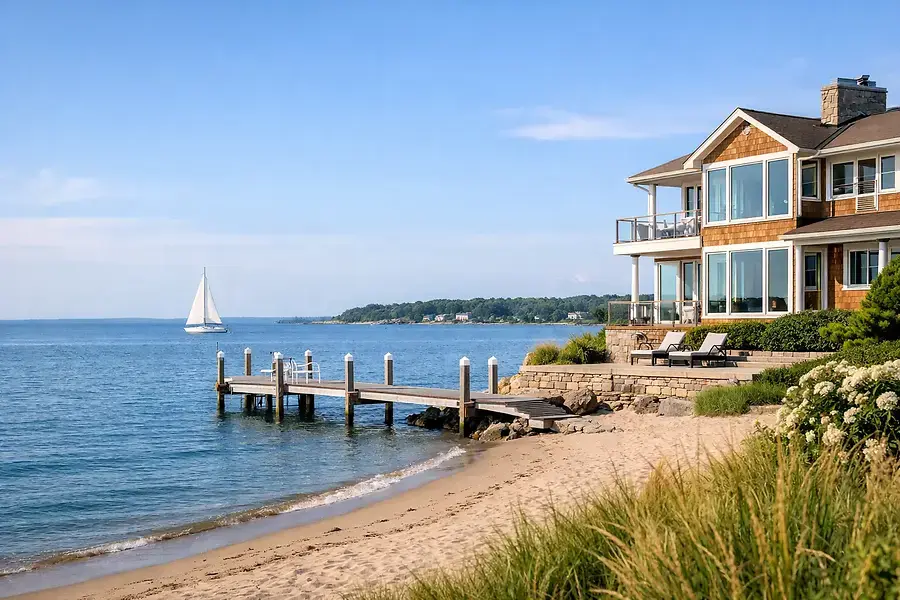
Understanding Connecticut Shoreline Waterfront Property Values
Connecticut's shoreline represents some of the most desirable real estate in New England, with waterfront properties commanding premium prices. The Connecticut coast stretches approximately 96 miles, offering diverse communities from the charming villages of the Gold Coast to the quieter towns of the eastern shore. Understanding the market dynamics is crucial before making your investment.
Market Overview and Trends
Waterfront properties in Connecticut have consistently appreciated over time, making them attractive investments for both primary residences and vacation homes. The demand for coastal living remains strong, particularly among buyers seeking proximity to New York City and Boston. Properties with direct water access, whether oceanfront, riverside, or harbor-view, typically command significantly higher prices than comparable inland properties.
The Connecticut shoreline market varies considerably by location. Fairfield County communities tend to be pricier due to their proximity to Manhattan, while New Haven and Middlesex County offer more moderate pricing with excellent amenities. Eastern Connecticut provides the most affordable waterfront options while maintaining coastal charm and access.
Key Factors That Affect Coastal Home Pricing and Appraisals
Location-Specific Considerations
Several factors significantly influence waterfront property values:
- Water Access Type: Direct oceanfront properties command the highest premiums, followed by harbor-view, riverside, and bay-view properties
- Beach Quality: Properties with sandy beaches and direct water access are valued higher than those with rocky shores or limited beach access
- Community Amenities: Proximity to marinas, yacht clubs, restaurants, and shopping districts increases property values
- School Districts: Highly-rated schools significantly impact property values, even for waterfront homes
- Environmental Factors: Flood zones, erosion history, and storm surge risk can dramatically affect pricing and insurability
Structural and Environmental Assessments
Coastal properties face unique environmental challenges that appraisers carefully evaluate. Salt air corrosion, moisture damage, and foundation issues are common concerns in waterfront homes. Professional inspections should include assessments for:
- Structural integrity and foundation stability
- Seawall or bulkhead condition and maintenance needs
- Flood insurance requirements and costs
- Septic system functionality (if applicable)
- Mold and moisture damage indicators
Insurance costs for waterfront properties are typically higher due to flood and storm risks. Before making an offer, obtain flood insurance quotes and understand your property's flood zone designation. This information directly impacts your long-term ownership costs.
Legal Considerations and Zoning Requirements for Waterfront Homes
Regulatory Framework
Connecticut's waterfront properties are subject to extensive state and local regulations designed to protect coastal resources. Understanding these requirements is essential before purchasing:
- Coastal Area Management (CAM) Permits: Required for most waterfront construction or modifications
- Wetlands Protection: Connecticut's Inland Wetlands and Watercourses Act protects sensitive coastal areas
- Tidal Wetlands Regulations: Strict rules govern activities in salt marshes and tidal areas
- Setback Requirements: Many municipalities require structures to be set back specific distances from the water
Title and Boundary Issues
Waterfront properties often have complex title issues related to water rights and boundaries. Riparian rights (the right to use adjacent water) and littoral rights (rights to ocean or large lake water) vary by property type and location. Hire an attorney experienced in waterfront real estate to review your title thoroughly and ensure you understand your water rights and any easements affecting the property.
Boundary disputes are more common with waterfront properties due to shifting shorelines and unclear historical surveys. Request a current survey and verify that the property boundaries are clearly established and documented.
Homeowners Associations and Deed Restrictions
Many waterfront communities have homeowners associations (HOAs) with specific rules regarding property modifications, dock installations, and beach access. Review all HOA documents carefully, including bylaws, financial statements, and any pending special assessments. These organizations often maintain shared amenities like beaches, marinas, or community docks.
Making Your Offer and Closing the Deal on Coastal Real Estate
Inspection and Due Diligence
Waterfront home purchases require more extensive due diligence than typical real estate transactions. Include contingencies in your offer for:
- Professional home inspection with coastal property expertise
- Flood insurance availability and affordability verification
- Environmental assessment and Phase I environmental review
- Title review and water rights confirmation
- Septic system inspection (if applicable)
- Seawall or bulkhead structural assessment
Don't skip the environmental assessment. Coastal properties may have contamination issues from historical industrial use or natural salt water intrusion. A Phase I environmental review can identify potential problems before you're committed to the purchase.
Financing Waterfront Properties
Lenders often have stricter requirements for waterfront properties due to increased risk. Flood insurance is mandatory if your property is in a designated flood zone, and some lenders require it even outside official flood zones. Obtain pre-approval from your lender before making an offer, and ensure they're willing to finance waterfront properties in your target area.
Some waterfront properties may be difficult to finance if they're in high-risk flood zones or have significant environmental concerns. Discuss potential financing challenges with your lender early in the process.
Closing Timeline and Final Steps
Waterfront property closings typically take longer than standard real estate transactions due to additional inspections, environmental reviews, and regulatory approvals. Plan for a 45-60 day closing timeline rather than the standard 30 days.
Before closing, conduct a final walkthrough to verify that any agreed-upon repairs have been completed and that the property condition matches your expectations. Confirm that all required permits and regulatory approvals are in place, and that flood insurance is in effect on your closing date.
Purchasing a waterfront home on Connecticut's shoreline is an exciting investment that requires careful planning and professional guidance. By understanding property values, legal requirements, and the unique challenges of coastal real estate, you'll be well-prepared to navigate this specialized market and find your perfect coastal home.