Your Complete Guide to Home Inspections for Residential Properties
Discover the critical items every homebuyer must evaluate before closing on their residential property.

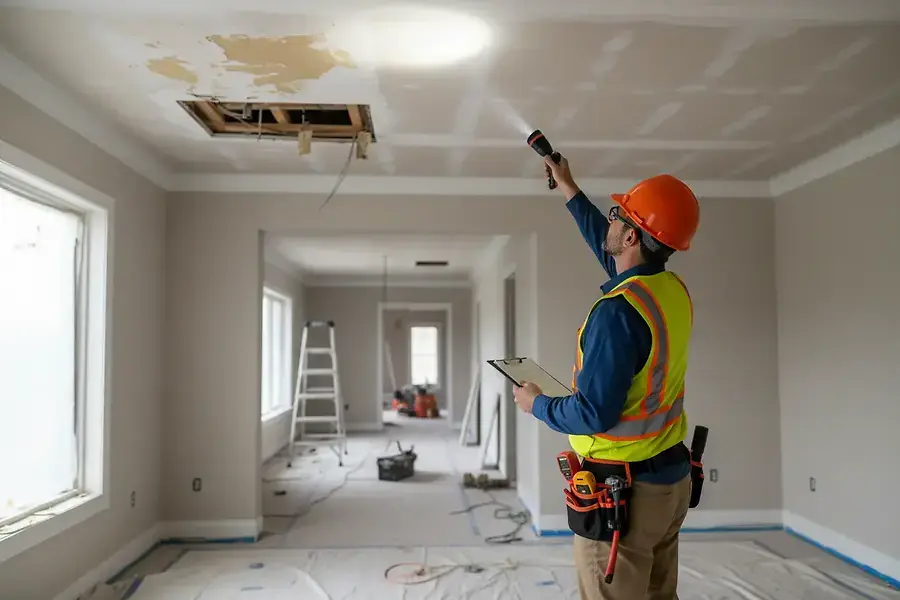
Why Home Inspections Matter for Residential Purchases
Purchasing a home is one of the most significant financial decisions you'll make in your lifetime. A professional home inspection is your opportunity to uncover potential problems before you sign on the dotted line. A thorough inspection can save you thousands of dollars in unexpected repairs and provide peace of mind about your investment.
Many homebuyers skip or rush through inspections, assuming the property looks fine on the surface. However, structural issues, outdated systems, and hidden damage can lurk behind walls and under floors. An experienced home inspector will evaluate every major component of the property, giving you a complete picture of its true condition.
Whether you're a first-time buyer or a seasoned investor, understanding what inspectors look for helps you make informed decisions. This guide walks you through the essential elements of a residential home inspection.
Key Systems and Structural Elements to Inspect
Foundation and Structural Integrity
The foundation is the backbone of any home. Inspectors examine the foundation for cracks, settling, water damage, and signs of movement. Foundation issues are expensive to repair and can affect the entire structure of the home. Look for:
- Visible cracks in the foundation walls or floor
- Water stains or moisture in the basement or crawl space
- Uneven floors or doors that don't close properly
- Bowing or leaning walls
Roofing System
Your roof protects everything beneath it. Inspectors assess the roof's age, condition, and remaining lifespan. A roof replacement can cost $10,000 or more, so understanding its condition is critical.
- Missing, cracked, or curling shingles
- Sagging roof lines
- Deteriorated flashing around chimneys and vents
- Moss or algae growth indicating moisture retention
Electrical Systems
Outdated or faulty electrical systems pose serious safety risks. Inspectors check the panel, wiring, outlets, and grounding to ensure everything meets current safety standards.
- Outdated fuse boxes instead of modern circuit breakers
- Insufficient outlets or overloaded circuits
- Improper grounding or bonding
- Aluminum wiring (a fire hazard in older homes)
Plumbing and Water Systems
Water damage is one of the most common and costly issues in homes. Inspectors evaluate pipes, fixtures, water pressure, and drainage systems.
- Corroded or leaking pipes
- Slow drains or backups
- Water stains on ceilings or walls
- Outdated galvanized pipes prone to corrosion
HVAC Systems
Heating, ventilation, and air conditioning systems are essential for comfort and indoor air quality. Inspectors check the furnace, air conditioner, ductwork, and thermostat functionality.
- Age and maintenance history of the system
- Proper ventilation and ductwork condition
- Carbon monoxide safety in gas furnaces
- Refrigerant levels in air conditioning units
Common Issues Found in Residential Properties and Red Flags
Water Damage and Moisture Problems
Water intrusion is a silent destroyer. Even small leaks can lead to mold growth, structural rot, and expensive repairs. Common sources include:
- Roof leaks from damaged shingles or flashing
- Basement or crawl space flooding
- Improper grading around the foundation
- Clogged gutters and downspouts
Mold and Indoor Air Quality
Mold thrives in damp environments and poses health risks. Inspectors look for visible mold, musty odors, and conditions that promote mold growth. Addressing moisture problems immediately prevents mold from becoming a major issue.
Pest Infestations
Termites, carpenter ants, and rodents can cause significant structural damage. Signs include:
- Wood damage or hollow-sounding wood
- Droppings or nesting materials
- Mud tubes on foundation walls (termites)
- Entry holes in walls or foundation
Asbestos and Lead Paint
Homes built before the 1980s may contain asbestos in insulation, flooring, or roofing materials. Homes built before 1978 may have lead-based paint. These materials require professional remediation if disturbed. While not always a deal-breaker, knowing about their presence is crucial for safety.
Outdated or Unsafe Systems
Older homes may have:
- Knob-and-tube wiring (fire hazard)
- Polybutylene plumbing (prone to failure)
- Outdated electrical panels with insufficient capacity
- Non-functional or missing safety features
Major Red Flags to Never Ignore
Foundation cracks, roof damage, electrical hazards, and active water intrusion are serious issues that require immediate professional evaluation and repair estimates.
If an inspector identifies any of these problems, obtain detailed repair estimates before proceeding with your purchase. Use this information to negotiate repairs or price adjustments with the seller.
Taking Action on Inspection Results
Understanding Your Inspection Report
A comprehensive inspection report details every finding, categorized by severity. Pay special attention to items marked as safety hazards or requiring immediate attention. Don't hesitate to ask your inspector questions about anything you don't understand.
Next Steps After Inspection
Once you receive your report:
- Review findings carefully with your real estate agent and lender
- Obtain repair estimates for significant issues from licensed contractors
- Negotiate with the seller for repairs, credits, or price reductions
- Schedule follow-up inspections if repairs are completed before closing
- Make an informed decision about whether to proceed with the purchase
Prevention and Maintenance Going Forward
Once you own the home, regular maintenance prevents small issues from becoming expensive problems. Schedule annual inspections of your roof, HVAC system, and foundation. Keep detailed records of all repairs and maintenance performed.
A home inspection is not just a formality—it's your protection as a homebuyer. Taking time to understand the inspection process and results ensures you're making a sound investment in your future.


